
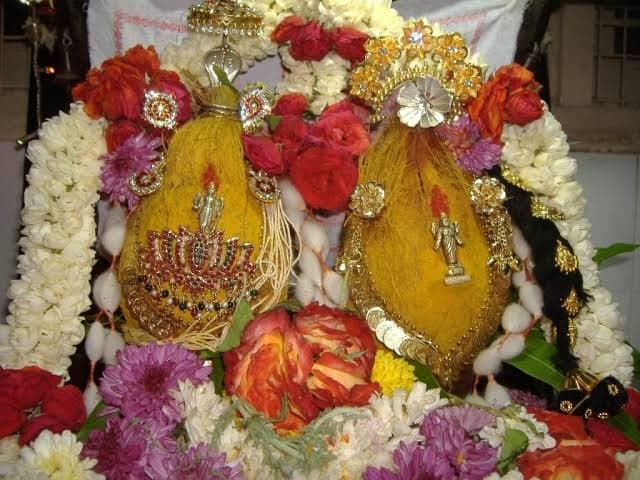
Divine Center
Ananta Padmanabha Swamy VratamProtection & Prosperity Ritual

Ananta Padmanabha Swamy Vratam

Book Experienced Vedic Pandits for the Sacred Fourteen-Knot Ananta Vrat

Duration
1 hr 30 min
Pandits
Matching soon
Service
Online & doorstep
Online AvailableDoorstep Service

Ananta Padmanabha Swamy Vratam — known pan-India as Anant Chaturdashi Vrat — invokes Lord Vishnu's protection through the tying of the sacred fourteen-knot Ananta Sutra. Rooted in the Mahabharata, where Krishna advised Yudhishthira to observe it for the Pandavas' restoration, this vratam is traditionally kept for relief from hardship, prosperity, and household harmony. Our experienced pandits guide the complete ritual — from sankalp to the tying of the sacred thread — at your home.

Puja Samagri

Your pandit confirms the final list based on your tradition and location.

Puja Items

  • Kalash (sacred vessel)
  • Kumkum
  • Turmeric (haldi)
  • Akshata (turmeric-coated rice)
  • Camphor
  • Diya (oil lamp)
  • Incense sticks (agarbatti)
  • Bell
  • Mango leaves

Vishnu/Ananta Specific Items

  • Ananta Padmanabha Swamy idol or photo (Vishnu reclining on Shesha)
  • Darbha (kusha) grass for the Shesha figure
  • Small basket for the Shesha figure
  • Tulsi leaves

Offerings

  • 14 varieties of fruits
  • 14 varieties of flowers
  • 14 varieties of dry fruits
  • 14 types of leaves
  • 14 types of vegetables and grams
  • Chana dal (bengal gram)
  • Sweets
  • Panchamrit

Clothing & Ritual Items

  • 14-knot Ananta Sutra (turmeric or kumkum-dyed cotton or silk thread)
  • New cloth (vastram) for the deity
  • Coin

Miscellaneous

  • Puja plates and bowls
  • Spoon
  • Matchbox
  • Camphor holder

What is Ananta Padmanabha Swamy Vratam?

Ananta Padmanabha Swamy Vratam — known pan-India as Anant Chaturdashi Vrat — is a sacred observance dedicated to Lord Vishnu in his Ananta Shayana form, reclining on the endless serpent Shesha (Ananta). It is observed on Bhadrapada Shukla Chaturdashi and is especially prominent in Andhra Pradesh, Telangana, and Karnataka, where this Vishnu-focused name is used, while the same tithi is called Anant Chaturdashi elsewhere.

Ananta Padmanabha Swamy Vratam 2026 falls on Friday, September 25, 2026. It shares its date with Ganesh Visarjan, the tenth-day conclusion of Ganeshotsav — but the two are entirely separate observances that happen to fall on the same tithi.

The vratam's central ritual is the tying of the Ananta Sutra, a cotton or silk thread dyed in turmeric and tied with exactly fourteen knots, worn on the arm as a symbol of Vishnu's protection through the year ahead.

Spiritual Significance

The vratam's roots are traced to the Mahabharata: during their years of exile, Lord Krishna is said to have advised Yudhishthira to observe the Ananta Vrata for fourteen years, so that the Pandavas would recover their lost kingdom. Tradition also recounts the tale of Sushila and the sage Kaundinya, who received the fourteen-knotted thread and, through devotion to it, found prosperity restored.

The number fourteen carries deliberate symbolism throughout: fourteen knots on the sacred thread are traditionally read as representing the fourteen lokas (worlds) that Vishnu, in his Ananta form, is said to uphold. Some families connect it to the fourteen years of the Pandavas' exile.

Devotees observe this vratam — often repeated annually for fourteen consecutive years and closed with an Udyapana ceremony — seeking protection, relief from hardship, prosperity, and household harmony. These are matters of faith and tradition, not claims we present as medical or scientific fact.

Ritual Process

  1. ● Sankalp — a formal declaration of intent, naming the devotee, family, and purpose of the vratam
  2. ● Kalash Sthapana (Yamuna Puja) — a kalash filled with water is worshipped as representing the sacred river Yamuna
  3. ● Shesha Puja — a serpent form of Ananta is fashioned from darbha (kusha) grass and placed in a small basket for worship
  4. ● Ananta Padmanabha Puja — the main worship of Lord Vishnu in his Ananta Shayana form, with flowers, incense, and lamps
  5. ● Fourteen Offerings — fourteen flowers, fourteen fruits, fourteen dried fruits, and fourteen types of leaves and vegetables are offered
  6. ● Preparing and Worshipping the Ananta Sutra — the fourteen-knotted turmeric thread is placed before the deity and worshipped through the puja
  7. ● Tying the Sacred Thread — the blessed Ananta Sutra is tied on the arm (traditionally the right arm for men, left for women, though family custom varies), replacing the previous year's thread
  8. ● Aarti and Prasad — the ceremony closes with aarti and the sharing of prasad, which traditionally includes sweets and chana dal

When is Ananta Padmanabha Swamy Vratam Performed?

Ananta Padmanabha Swamy Vratam 2026 is observed on Friday, September 25, 2026 — Bhadrapada Shukla Chaturdashi, the fourteenth day of the bright fortnight in the Bhadrapada month. A fast is traditionally kept from sunrise to sunset, with the main puja performed in the evening.

Common reasons families book this vratam:

  1. ● Recovering from financial hardship or setbacks, echoing the Pandavas' own reason for the vrat
  2. ● Continuing a family's annual observance, often as part of a fourteen-year vow
  3. ● Seeking household protection, harmony, and prosperity for the year ahead
  4. ● Marking the day meaningfully alongside — but separately from — Ganesh Visarjan in the household

Because the date is fixed to a lunar tithi, exact sunrise-to-sunset fasting times and the puja muhurat shift slightly by location — we recommend confirming these with your local panchang or pandit.

What is Included in Our Ananta Padmanabha Swamy Vratam Service?

  1. ● An experienced, Vedic-trained pandit to guide or perform the complete vratam at your home
  2. ● Muhurat consultation to confirm the exact Chaturdashi tithi and puja timing for your location
  3. ● Guided Yamuna Puja, Shesha Puja, and Ananta Padmanabha Puja in the traditional sequence
  4. ● The fourteen-knot Ananta Sutra, prepared and blessed, ready for tying
  5. ● Guidance on arranging the fourteen traditional offerings — flowers, fruits, dried fruits, and leaves
  6. ● Personalized sankalp naming your family and the specific purpose of the vratam
  7. ● Guidance on maintaining the annual observance if you're continuing a multi-year vow, and on the closing Udyapana when the time comes

Why Choose Our Ananta Padmanabha Swamy Vratam Service?

  1. ● Experienced priests trained in the traditional Yamuna-Shesha-Ananta puja sequence
  2. ● Unrushed, complete recitation of all mantras and steps — nothing shortened
  3. ● Doorstep service across Hyderabad, with pan-India availability on request
  4. ● Transparent, upfront pricing with no hidden charges
  5. ● Guidance available in Telugu, Hindi, and English

With Divine Center, you can observe Ananta Padmanabha Swamy Vratam with the same authenticity as a family tradition passed down through generations — without needing to source every ritual detail yourself.

Booking assurance

Professional support from booking to ritual completion

  • Verified pandit identity and profile checks
  • On-time ceremony coordination and reminder support
  • Guidance on ritual preparation and samagri essentials
  • Support team available for booking or service questions

What devotees say

Families who booked Ananta Padmanabha Swamy Vratam through Divine Center

“Our pandit arrived on time and performed the ceremony with complete Vedic authenticity. Booking was seamless.”

Priya Sharma · HyderabadGriha Pravesh

“Transparent pricing and a verified Acharya made us confident. The online coordination was excellent.”

Ravi Kumar · BengaluruSatyanarayan Puja

“Divine Center helped us find the right pandit for our family tradition. Highly recommend for life-cycle rituals.”

Anitha Reddy · ChennaiNamakaran

Ananta Padmanabha Swamy Vratam