
Divine Center
Datta Putra SwikaranaAdoption Ceremony

Datta Putra Swikarana

A sacred Hindu ceremony welcoming a child into the family through traditional prayers, Datta Homam, and blessings.

Duration
2 hours
Pandits
Matching soon
Service
Doorstep
Doorstep Service

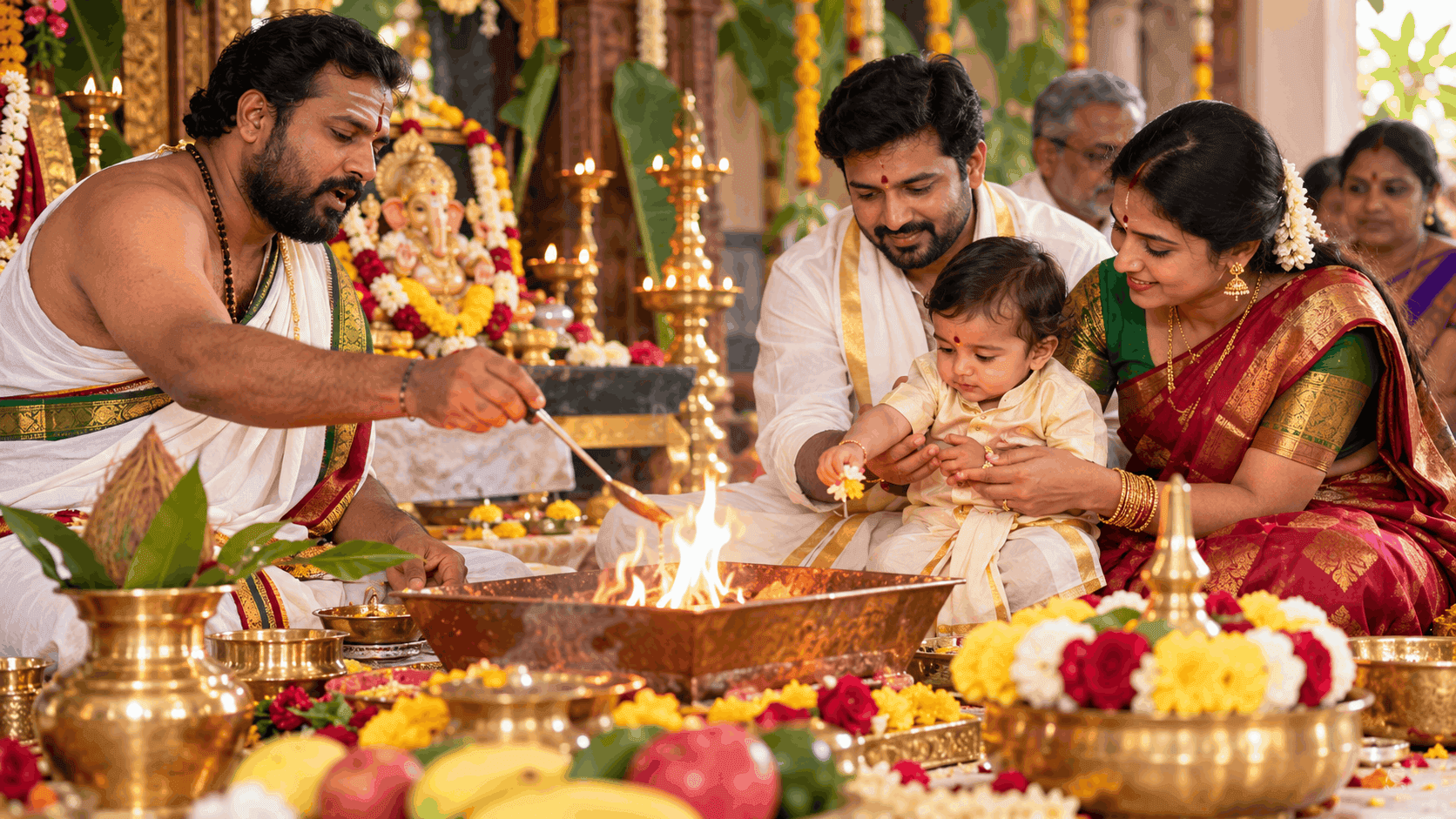
Datta Putra Swikarana is a traditional Hindu adoption ceremony that marks the welcoming and acceptance of a child into a family through sacred rituals, prayers, and blessings. Also associated with Datta Homam and Dattaka Vidhi, the ceremony symbolises parental responsibility, family unity, and the commitment to nurture the child with love and dharma.


During the ceremony, an experienced Pandit guides the family through Ganapati Puja, Punyahavachana, Sankalpa, Datta Homam, symbolic giving and receiving where appropriate, Purnahuti, and blessings from elders. The exact rituals may vary according to family tradition, regional customs, and the child's circumstances.


At Divine Center, families can enquire about experienced Pandits, auspicious Muhurtham guidance, Pooja Samagri requirements, and ceremony arrangements for Datta Putra Swikarana.


Important: This ceremony is a spiritual observance and does not replace or establish legal adoption. Families must follow applicable adoption laws and procedures independently.

Puja Samagri

Your pandit confirms the final list based on your tradition and location.

Ganapati Puja Essentials

  • Lord Ganesha idol or photo
  • turmeric
  • kumkum
  • sandalwood paste
  • akshata (rice grains)
  • fresh flowers
  • incense sticks
  • camphor
  • cotton wicks
  • oil or ghee
  • brass diya

Kalasha and Punyahavachana

  • Kalasham
  • clean water
  • mango leaves
  • coconut
  • turmeric
  • kumkum
  • flowers
  • akshata (rice grains)
  • a small vessel for sprinkling sanctified water

Datta Homam Materials

  • Homa kunda or approved fire-safe vessel
  • samidha
  • homam wood
  • ghee
  • homam samagri
  • offering spoon
  • fire-safe tray
  • materials for Purnahuti as instructed by the Pandit

Naivedyam and Offerings

  • Fresh fruits
  • coconuts
  • betel leaves
  • areca nuts
  • sweets
  • prasadam
  • flowers
  • other offerings recommended by the Pandit

Family and Child Requirements

  • Clean traditional clothing
  • pancha and kanduva for the adoptive father where required by family custom
  • appropriate clothing for the child
  • ceremonial seats
  • a clean cloth or tray for symbolic acceptance

What Is Datta Putra Swikarana?

Datta Putra Swikarana is a traditional Hindu ceremony that marks the acceptance and welcoming of a child into a family through prayers, sacred vows, and blessings. The words Datta and Swikarana refer to giving and acceptance.

The ceremony is also associated with Datta Homam and Dattaka Vidhi. It gives families an opportunity to express their commitment to the child's upbringing, wellbeing, and place within the family.

Although the traditional name contains Putra, families may adapt the ceremony to welcome a son or daughter. The spiritual observance must be distinguished from the separate legal adoption process.

Spiritual Significance of Datta Homam

Datta Homam emphasises the sacred responsibilities of family life, compassion, and dharma. The ceremony honours the child, acknowledges parental commitment, and invites blessings for a harmonious family life.

The sacred fire, or Agni, symbolically witnesses the prayers and promises made during the ceremony. Families pray for the child's health, wisdom, happiness, and protection.

The ceremony is not simply a ritual of acceptance; it is also an occasion for parents and relatives to affirm lifelong care, kindness, and responsibility.

Who Participates in the Ceremony?

The ceremony is generally conducted by a Hindu Pandit or Purohit, with the adoptive parent or parents and the child participating according to the child's age and comfort.

Depending on the circumstances and lawful arrangements, birth relatives or other authorised participants may be present. Grandparents, siblings, elders, and family members may witness the prayers and offer blessings.

The child's welfare and consent appropriate to their age are important. No ceremonial participation should be interpreted as authorising an informal transfer of custody.

Datta Putra Swikarana Puja Vidhi

The ceremony commonly begins with Ganapati Puja and Punyahavachana to invoke auspiciousness and sanctify the ceremonial space. The family then performs Sankalpa, declaring its intentions and seeking divine blessings.

Depending on the family tradition, Navagraha and Kuladevata prayers may follow. During Agni Sthapana, the priest prepares the sacred fire and conducts Datta Homam with offerings of ghee and sacred materials.

A symbolic giving-and-receiving ritual may be included where lawful and appropriate, followed by parental vows, optional Naamakarana, blessings with akshata, Purnahuti, Aarti, and Prasadam.

The exact order, Sanskrit mantras, and regional customs should be finalised with the officiating Pandit.

Sankalpa and Family Acceptance

Sankalpa is the traditional declaration of intention made during the puja. The Pandit may guide the family through prayers identifying the occasion, location, date, and purpose of the ceremony.

Family members may make a promise to care for the child with affection, responsibility, education, and respect. Symbolic acceptance can be accompanied by prayers and blessings in the presence of elders.

Any ceremonial declarations about name, lineage, or gotra are religious customs and do not independently determine the child's legal name, parentage, or status.

Datta Homam and Sacred Fire Ritual

Datta Homam is a central spiritual element in many forms of Datta Putra Swikarana. The Pandit invokes Agni and guides the family in offering ghee, samidha, and prescribed homam materials while chanting mantras.

The offerings express prayers for the child's wellbeing, wisdom, family harmony, and an auspicious future.

The homam should be conducted only in a suitable, ventilated, fire-safe setting. Children must remain at a safe distance from the flame, and offerings should be made under the Pandit's supervision.

Naamakarana and Family Blessings

Some families include a Naamakarana, or naming ritual, as part of the ceremony. The child's chosen name may be recited in the presence of the family and elders, depending on custom.

After the main puja, the priest may sprinkle sanctified water, offer akshata, perform Aarti, and invite family members to bless the child.

Any official change to the child's name or identity documents must follow the relevant legal procedures. A naming prayer does not itself update legal records.

Muhurtham for Datta Putra Swikarana

Some Hindu families prefer to conduct Datta Putra Swikarana at a traditionally auspicious Muhurtham determined using the Panchangam, Nakshatra, Tithi, and family customs.

A qualified Pandit can help explain the customary considerations and recommend an appropriate time based on the family's requirements.

However, legal adoption, child protection requirements, and the child's wellbeing must always take priority over ceremonial scheduling. A Muhurtham is a religious preference, not a legal requirement.

Duration and Ceremony Arrangements

Datta Putra Swikarana may take approximately 90 to 120 minutes for the main ceremony, depending on the puja procedures selected and family traditions. Extended prayers, additional homams, and family participation may increase the duration.

The ceremony may be arranged at a suitable home, prayer hall, or temple, subject to venue permission, safety requirements, and Pandit availability.

Families should confirm the ceremony location, fire permissions, language preferences, seating arrangements, and final samagri list before the scheduled date.

Preparing for the Adoption Ceremony

Before the ceremony, speak with the Pandit about the family's regional traditions, preferred language, Muhurtham, and ritual requirements. Confirm that all relevant legal arrangements are independently in order.

Arrange clean traditional clothing, a comfortable space for the child, suitable offerings, and a safe homam area. If following the supplied ceremony format, the adoptive father wears a pancha and kanduva.

For older children, explain the ceremony in advance and invite age-appropriate participation without pressure. Families should arrive early and allow time for a calm, meaningful experience.

Book Datta Putra Swikarana with Divine Center

Divine Center helps families enquire about traditional Datta Putra Swikarana puja arrangements and connects them with experienced Hindu Pandits based on service requirements and availability.

Families can request guidance on the ceremony procedure, Muhurtham, Pooja Samagri, Sanskrit mantras, preferred language, and suitable venue arrangements.

Share your preferred date, location, language, and ceremony requirements with Divine Center to discuss the next steps.

Divine Center provides religious ceremony coordination, not legal adoption placement, custody transfer, or legal adoption certification.

Important Legal Information

Legal Adoption and Religious Ceremony

Datta Putra Swikarana is a Hindu religious ceremony and does not, by itself, create or prove a legal adoption.

In India, legal adoption must comply with the applicable statutory framework, including the Hindu Adoptions and Maintenance Act, 1956 (where applicable), or the Juvenile Justice (Care and Protection of Children) Act, 2015 and applicable Adoption Regulations. Different procedures and requirements apply depending on the type of adoption.

Families seeking legal adoption information should consult the CARA official guidance and, where necessary, a qualified legal professional. Divine Center does not arrange child placements, transfer custody, or issue legal adoption documents.

This distinction is important. Under the Juvenile Justice framework, District Magistrates generally issue adoption orders, while valid adoptions under the Hindu Adoptions and Maintenance Act follow a different statutory framework. It would be inaccurate to say that a religious certificate, registered deed, or court order is universally required or sufficient in every situation.

Frequently Asked Questions

What is Datta Putra Swikarana Puja?+

Datta Putra Swikarana is a traditional Hindu ceremony that spiritually welcomes a child into a family through prayers, Datta Homam, parental vows, and blessings. It is a religious observance and does not replace legal adoption.

What is the difference between Datta Homam and Datta Putra Swikarana?+

Datta Putra Swikarana refers to the broader traditional acceptance ceremony. Datta Homam is the sacred fire ritual that may form part of the ceremony. Terminology and practices vary across families and regions.

How long does Datta Putra Swikarana Puja take?+

The main ceremony generally takes about 90 to 120 minutes. Duration varies with the family tradition, number of rituals, and additional prayers performed by the Pandit.

Can Datta Putra Swikarana be performed at home? Copy+

Yes. Families may arrange the ceremony at home, in a suitable prayer hall, or at a temple, subject to venue permission, fire safety requirements, and Pandit availability.

What items are required for Datta Homam?+

Common materials include a kalasha, coconut, mango leaves, flowers, akshata, ghee, samidha, homam samagri, fruits, incense, and traditional clothing. The final list should be confirmed with the Pandit.

Is a Muhurtham required for Datta Putra Swikarana?+

Some families select an auspicious Muhurtham based on Panchangam and family tradition. A Pandit can provide customary guidance, but a Muhurtham is not a legal requirement for adoption.

Does Datta Putra Swikarana make adoption legally valid? Copy+

No. The ceremony alone does not establish legal adoption. Families must comply with the applicable Indian adoption laws, such as the Hindu Adoptions and Maintenance Act or the Juvenile Justice framework.

How can I book Datta Putra Swikarana Puja through Divine Center?+

Enquire with Divine Center and share your preferred date, location, language, and ceremony requirements. The team can discuss Pandit availability, ritual arrangements, Muhurtham guidance, and Pooja Samagri requirements.

Booking assurance

Professional support from booking to ritual completion

  • Verified pandit identity and profile checks
  • On-time ceremony coordination and reminder support
  • Guidance on ritual preparation and samagri essentials
  • Support team available for booking or service questions

What devotees say

Families who booked Datta Putra Swikarana through Divine Center

“Our pandit arrived on time and performed the ceremony with complete Vedic authenticity. Booking was seamless.”

Priya Sharma · HyderabadGriha Pravesh

“Transparent pricing and a verified Acharya made us confident. The online coordination was excellent.”

Ravi Kumar · BengaluruSatyanarayan Puja

“Divine Center helped us find the right pandit for our family tradition. Highly recommend for life-cycle rituals.”

Anitha Reddy · ChennaiNamakaran

Datta Putra Swikarana