Diwali 2026: Date, Lakshmi Puja, Rituals & Significance
By Divine Center Team ·
Explore Diwali 2026, celebrated on November 8. Discover Lakshmi Puja timings, festival significance, traditional rituals, home puja steps, and Telugu Deepavali customs.
Diwali 2026: Date, Lakshmi Puja, Rituals & Significance
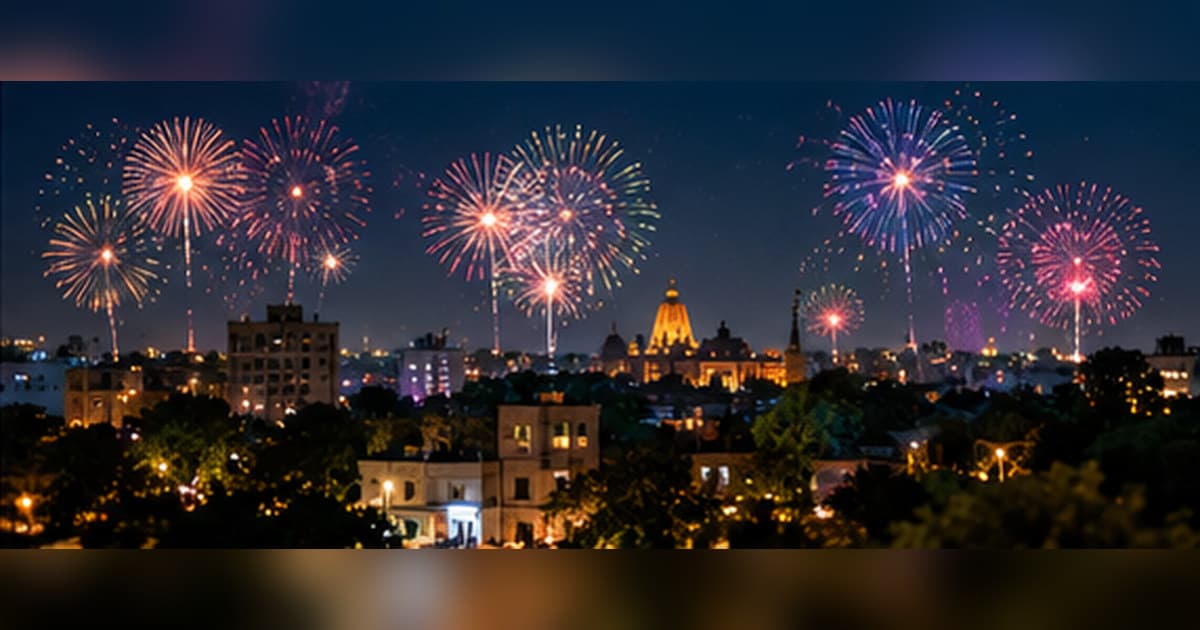
Diwali, also called Deepavali, is one of India's most cherished festivals, celebrated with glowing diyas, colourful rangoli, heartfelt prayers, and joyful family gatherings. Beyond the beautiful decorations, Diwali carries a timeless message: light overcoming darkness, wisdom overcoming ignorance, and goodness prevailing over evil.
In 2026, Diwali falls on Sunday, November 8. Families across India will celebrate through traditional customs, prayers to Goddess Lakshmi and Lord Ganesha, festive food, and acts of generosity.
Whether you are preparing for Lakshmi Puja at home or exploring the deeper meaning of Deepavali, this guide covers the festival's date, significance, rituals, puja essentials, and regional celebrations.
When Is Diwali in 2026?
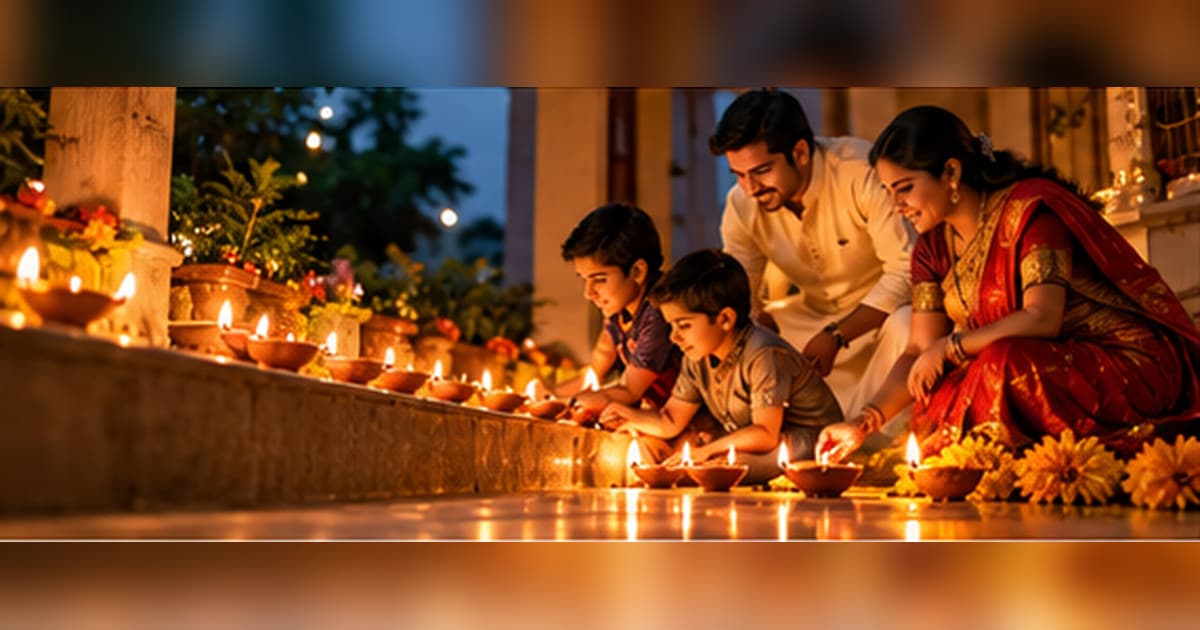
Diwali 2026 will be celebrated on Sunday, November 8, 2026, in India. The festival is associated with Amavasya, the new-moon tithi, and is observed according to the Hindu lunar calendar.
Here are the important dates around Diwali 2026:
| Festival | Day | Date |
| Dhanteras | Friday | 6 November 2026 |
| Naraka Chaturdashi | Sunday | 8 November 2026 |
| Diwali / Lakshmi Puja | Sunday | 8 November 2026 |
| Govardhan Puja (Hyderabad) | Tuesday | 10 November 2026 |
| Bhai Dooj | Wednesday | 11 November 2026 |
An important detail for 2026 is that Naraka Chaturdashi and the main Deepavali celebration fall on the same civil date in Telangana and Andhra Pradesh.
Although Diwali is commonly described as a five-day festival, the exact dates and sequence of observances may vary by regional calendar and family tradition.
What Is Diwali and Why Is It Celebrated?
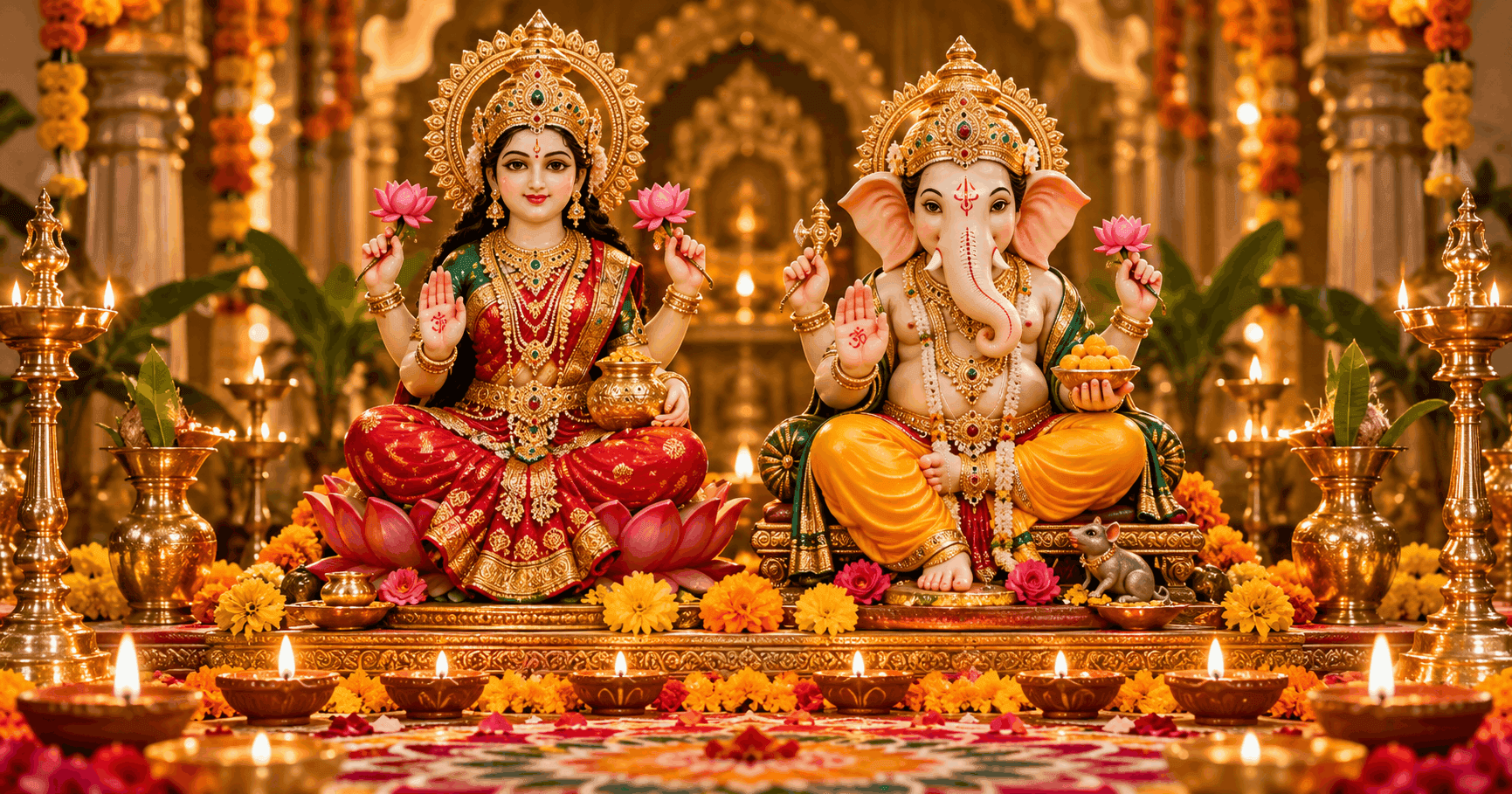
Diwali, or Deepavali, literally refers to a row of lamps. The Sanskrit-derived words deepa (lamp) and avali (row) together express the festival's most recognisable tradition: illuminating homes with lamps.
Spiritually, Diwali represents hope, knowledge, renewal, prosperity, and the triumph of Dharma.
The Return of Lord Rama to Ayodhya
In a widely followed tradition, Diwali commemorates the return of Lord Rama, Goddess Sita, and Lakshmana to Ayodhya following their exile and Lord Rama's victory over Ravana.
Lamps are associated with the joyous welcome offered to Lord Rama. This story reminds devotees of righteousness, courage, devotion, and the victory of good over evil.
Lord Krishna and Narakasura
In Telugu traditions, Deepavali is strongly associated with the defeat of Narakasura by Lord Krishna, with Goddess Satyabhama playing an important role in several regional retellings.
Naraka Chaturdashi commemorates liberation from oppression and the restoration of Dharma.
Goddess Lakshmi and Prosperity
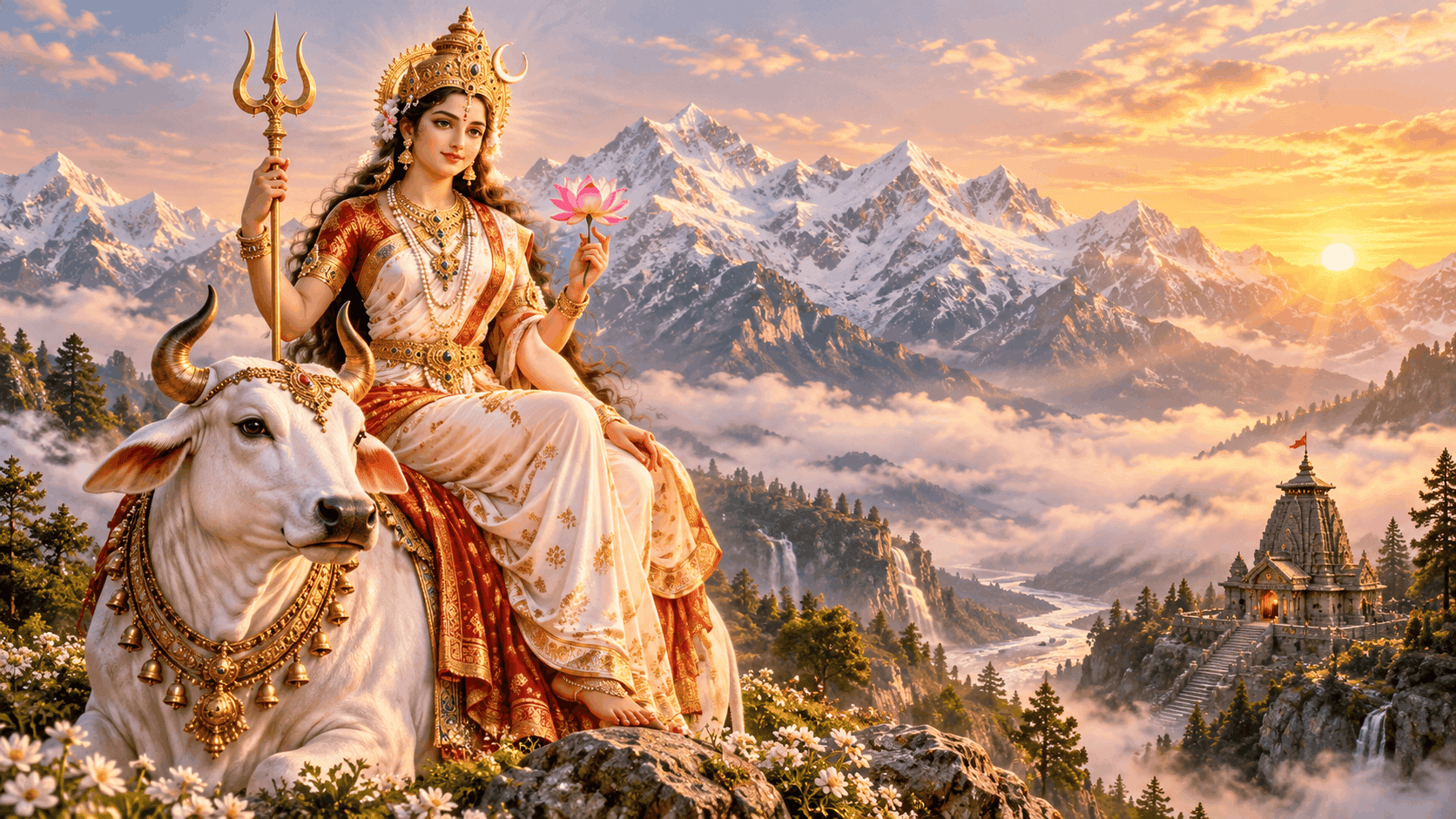
Goddess Lakshmi is worshipped as the divine embodiment of prosperity, auspiciousness, and well-being.
Many families perform Lakshmi Puja during Diwali to seek her blessings for a peaceful household, ethical prosperity, and a fulfilling life.
Different Traditions, Shared Values
Diwali holds significance in several religious and regional traditions. Jains associate the festival with Lord Mahavira's nirvana, while Sikhs commemorate Bandi Chhor Divas around the same period.
The interpretations differ, but the festival remains an important occasion for reflection, community, and celebration.
The Spiritual Significance of Deepavali
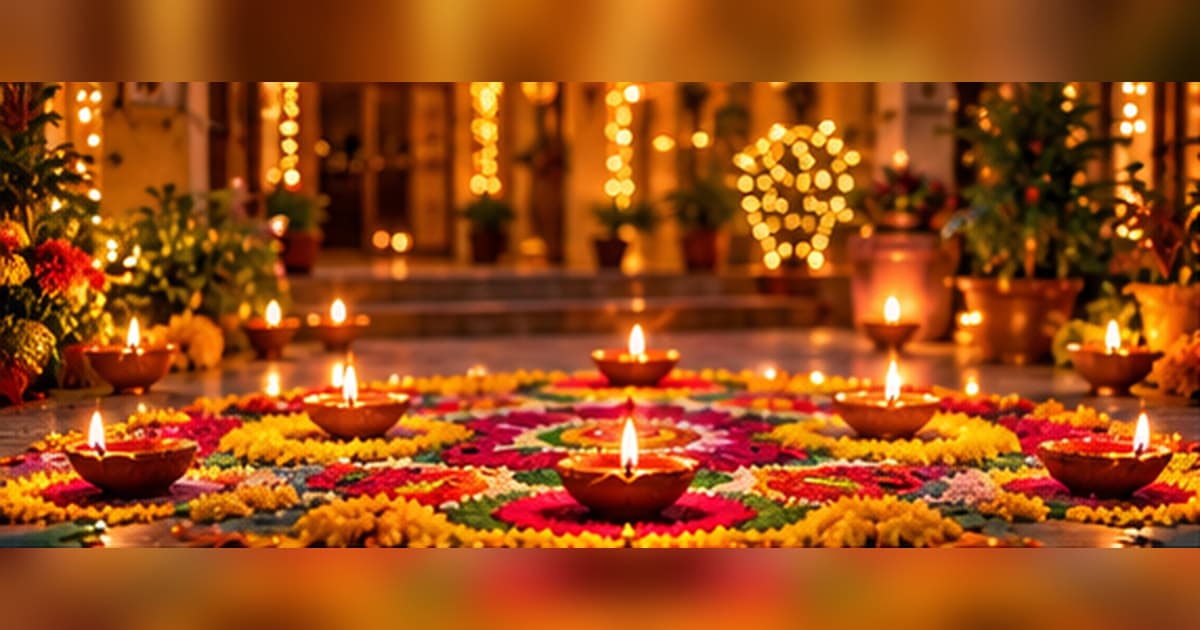
The beauty of Diwali lies in its message that true light begins within us.
Light Over Darkness
Lighting a diya symbolises the removal of ignorance and the awakening of knowledge. The flame serves as a reminder to cultivate compassion, patience, and wisdom.
Prosperity With Responsibility
Lakshmi Puja is not merely about seeking money or material possessions. For many devotees, it is also an opportunity to reflect on gratitude, generosity, responsible livelihood, and family well-being.
New Beginnings
Cleaning and decorating the home traditionally symbolise renewal. Families use the occasion to reconnect, reconcile differences, and begin the next chapter with positive intentions.
Sharing Happiness
Giving sweets, offering food, helping neighbours, and supporting people in need are meaningful expressions of the Diwali spirit.
A beautiful home may glow with hundreds of lamps, but kindness is what makes the celebration truly memorable.
Five Important Diwali Observances
Diwali celebrations extend beyond a single evening. The following observances are especially important in many Hindu communities.
Dhanteras
Dhanteras, also known as Dhantrayodashi, begins the main festive period in many regions.
Devotees worship Lord Dhanvantari and, in some traditions, Goddess Lakshmi and Lord Kubera. Families may purchase household utensils, precious metals, or useful items as a symbol of auspicious beginnings.
Buying expensive items is not a religious requirement. The observance can be marked through simple prayers and gratitude.
Naraka Chaturdashi
Naraka Chaturdashi honours the victory over Narakasura.
In many Telugu households, the day begins with an early-morning oil bath, known as Abhyanga Snanam, followed by prayers, festive clothing, and family celebrations.
Lakshmi Puja on Diwali
The main Diwali evening is associated with the worship of Goddess Lakshmi and Lord Ganesha.
Homes are decorated with diyas, rangoli, and flowers. Families offer prayers seeking prosperity, peace, and auspicious new beginnings.
Govardhan Puja and Bali Padyami
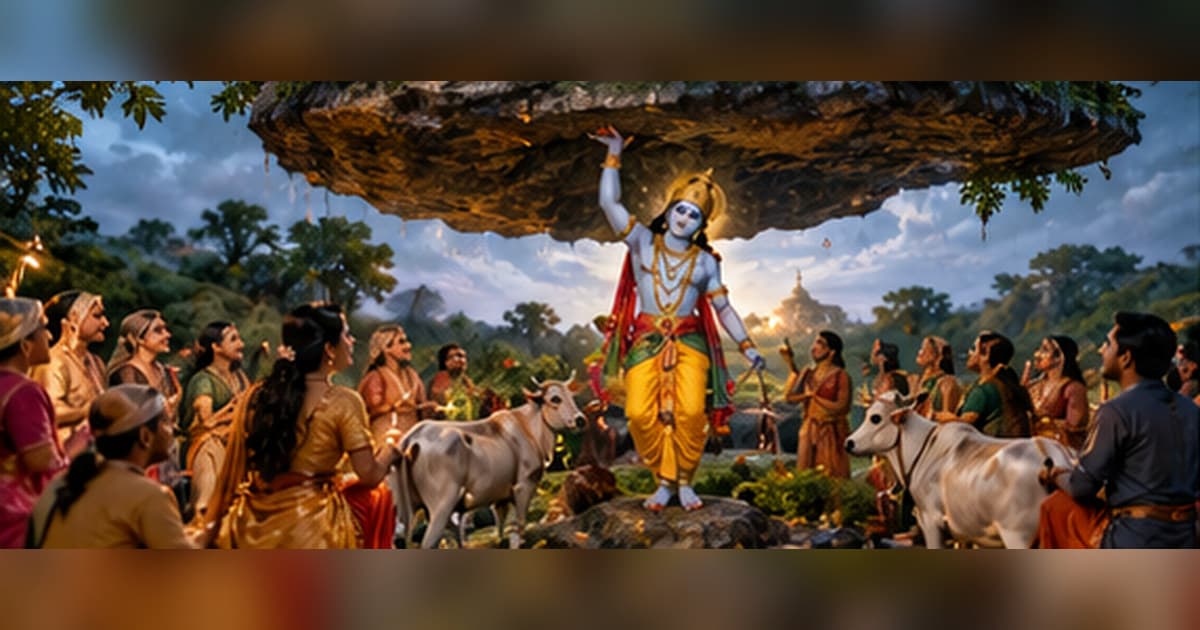
Govardhan Puja commemorates Lord Krishna's protection of the people of Vrindavan through the lifting of Govardhan Hill.
Bali Padyami, observed in certain South Indian traditions, has its own customs associated with King Mahabali.
These are distinct regional observances and need not be performed by every family.
Bhai Dooj
Bhai Dooj celebrates the affectionate bond between siblings.
In some Telugu families, a related custom is Bhagini Hasta Bhojanam, in which brothers visit their sisters and share a meal.
The emphasis is on family affection, blessings, and maintaining relationships.
Diwali Lakshmi Puja Muhurat 2026
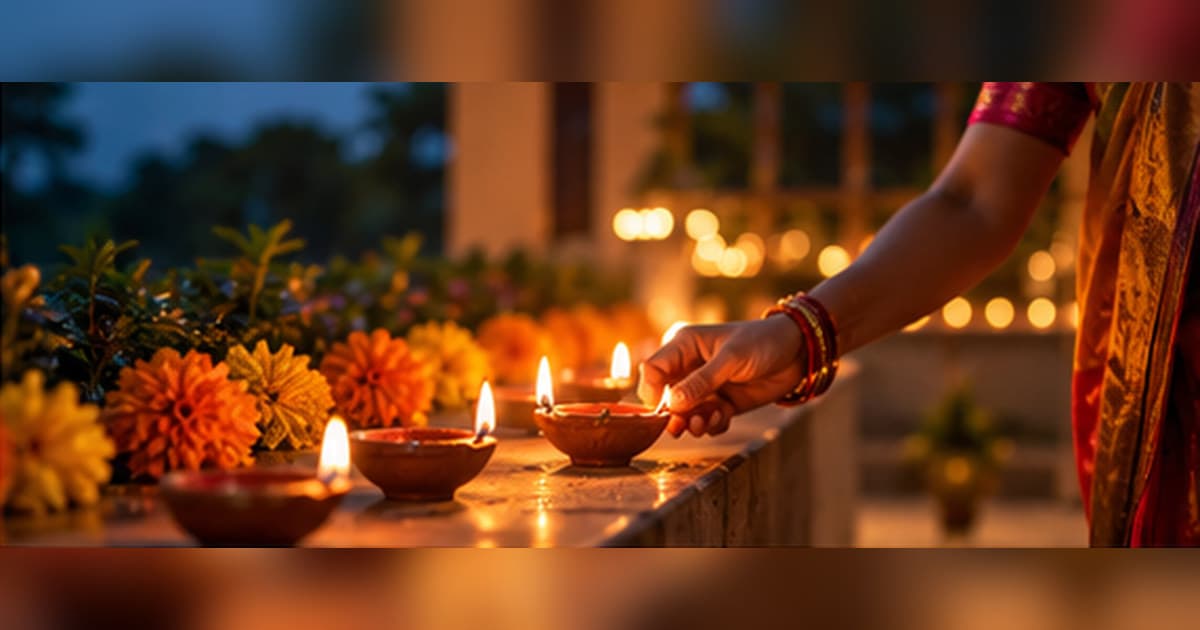
Lakshmi Puja is traditionally performed during the evening on Diwali, often within Pradosh Kaal. Some traditions also consider a suitable fixed-sign period, such as Vrishabha Lagna.
For Hyderabad, the listed Lakshmi Puja muhurat on November 8, 2026, is approximately 6:07 PM to 8:08 PM IST, according to Drik Panchang.
The exact muhurat varies by city, local sunset, Panchangam calculation, and family observance.
Families in other locations, especially those outside India, should not automatically apply Hyderabad timings. Consult a location-specific Panchangam or a knowledgeable Pandit.
The significance of the muhurat is to align the ritual with the family's traditional observance and offer worship with attention and devotion.
Diwali Lakshmi Puja Items Checklist
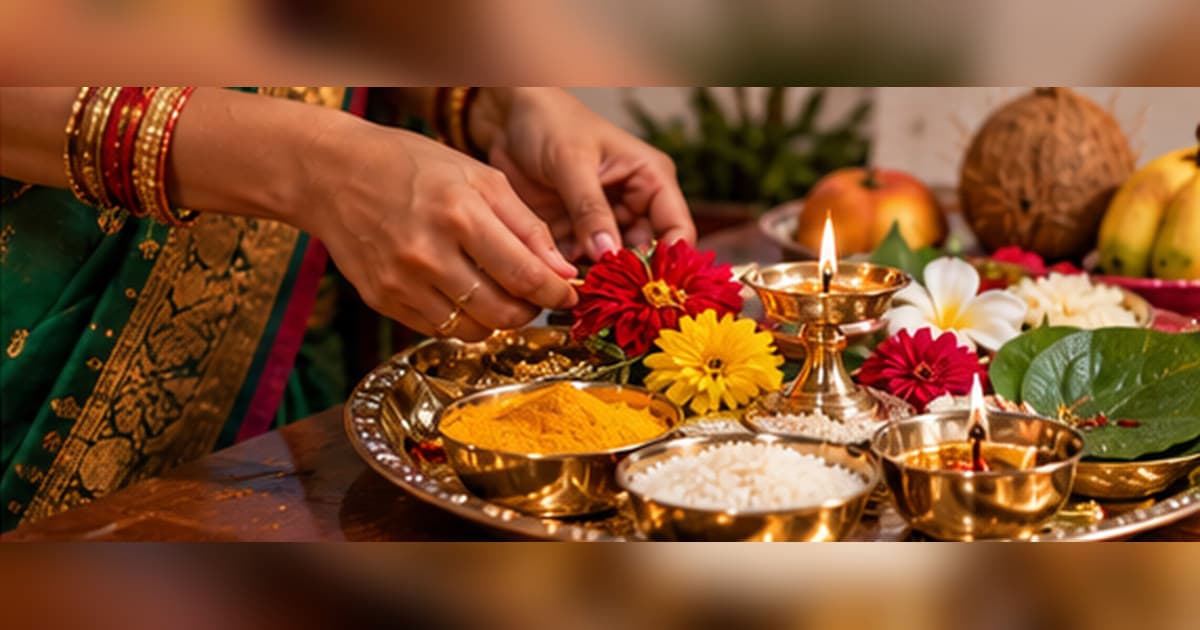
Preparing the puja materials in advance allows the family to conduct the ceremony peacefully.
Commonly used items include:
- Goddess Lakshmi and Lord Ganesha idols or framed pictures
- A clean puja platform and fresh cloth
- Turmeric, kumkum, sandalwood paste, and akshata
- Fresh flowers and flower garlands
- Clay or brass diyas, wicks, and oil or ghee
- Incense and a bell
- Fruits, sweets, and traditional naivedyam
- A kalash, water, and mango leaves where customary
- Rice, betel leaves, nuts, and coins where customary
- Camphor and materials for aarti
Exact samagri requirements depend on the family's tradition and the puja procedure.
A simple puja performed with sincerity is meaningful. Families need not purchase every item used in elaborate ceremonies.
How to Perform Lakshmi Puja at Home
Lakshmi Puja is a central part of Diwali celebrations in many households. The following is a simplified family worship outline rather than a universal Vedic ritual manual.
Step 1: Clean and Prepare the Puja Space
Clean the designated area and arrange a stable puja platform. Decorate it with flowers, rangoli, and lamps.
Keep the worship space away from flammable decorations.
Step 2: Arrange the Deities
Place Goddess Lakshmi and Lord Ganesha on a clean, decorated platform according to your family's custom.
Arrange the required offerings before beginning.
Step 3: Light the Diya
Light a diya and begin with a peaceful prayer. The light represents knowledge, auspiciousness, and devotion.
Step 4: Make a Sankalpa
A sankalpa is a statement of intention. Pray for the well-being of your family and express gratitude for the blessings received.
Formal sankalpa recitation may include details of the date, place, and the person performing the puja.
Step 5: Worship Lord Ganesha
In many Lakshmi-Ganesha Puja traditions, Lord Ganesha is worshipped first.
Offer flowers, akshata, and prayers for wisdom and the removal of obstacles.
Step 6: Worship Goddess Lakshmi
Offer flowers, kumkum, fruits, and other customary items to Goddess Lakshmi.
Families may recite familiar Lakshmi prayers or stotras according to their tradition.
A simple devotional invocation is:
Om Shreem Mahalakshmyai Namah.
Step 7: Offer Naivedyam and Perform Aarti
Offer sweets or home-prepared food as naivedyam. Perform aarti with care, and conclude with prayers for peace, prosperity, and the happiness of all.
Step 8: Share Prasadam
Distribute prasadam among family members and spend time together.
For a more elaborate Lakshmi Puja, including formal invocations and traditional offerings, a knowledgeable Pandit can guide the ceremony according to the appropriate sampradaya.
How Telugu Families Celebrate Deepavali
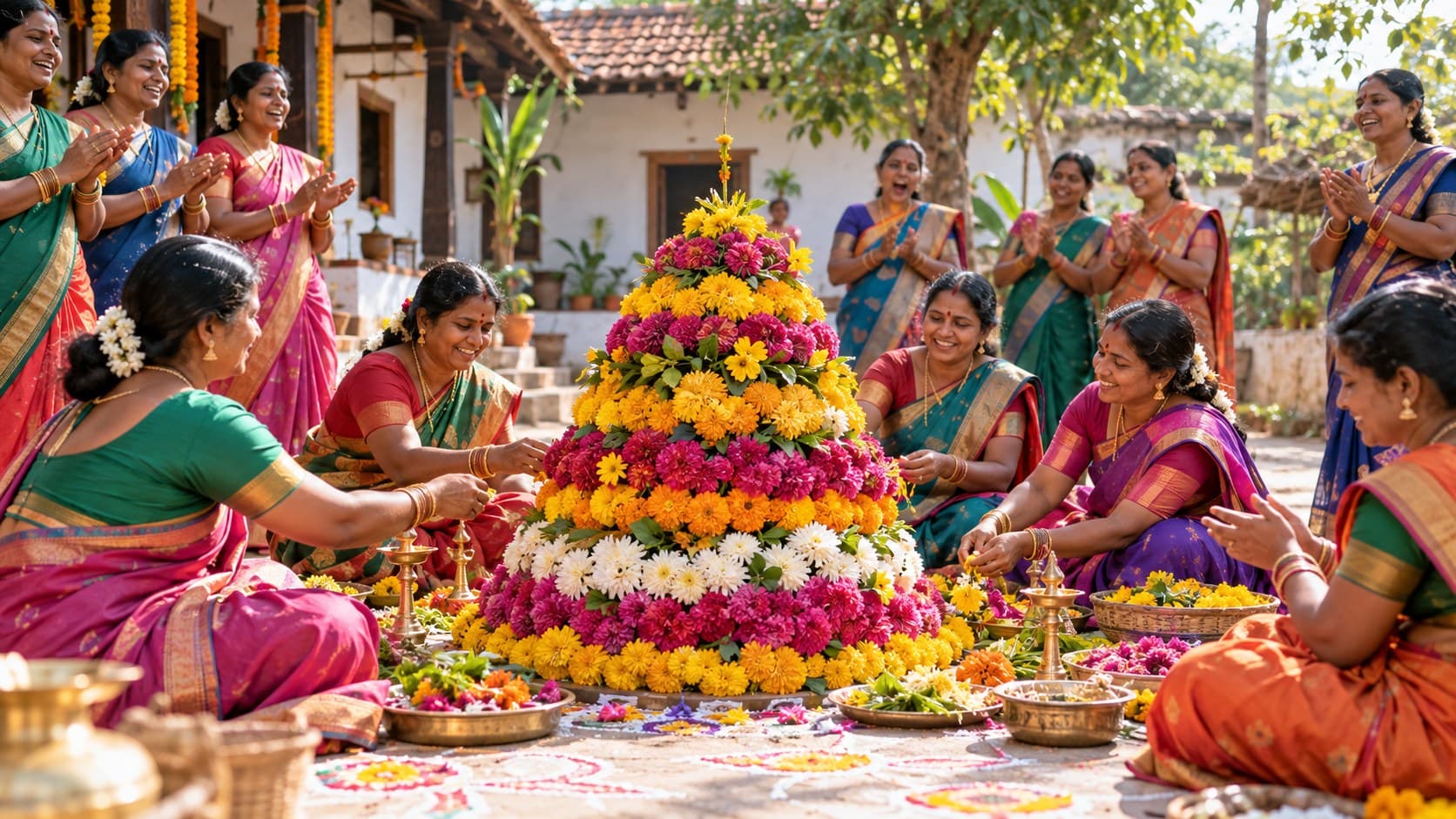
Deepavali holds a special place in Telugu households across Telangana and Andhra Pradesh.
Although traditions differ between families, several customs are widely recognised.
Abhyanga Snanam
Early-morning oil bathing is associated with Naraka Chaturdashi. Families may apply oil before bathing and wear fresh clothes afterward.
This custom has ritual significance, but it is not a substitute for medical or personal hygiene advice.
Harathi and Family Prayers
Elders may offer blessings, and family members gather for prayers and customary harathi.
The rituals often reflect traditions passed down through generations.
Lighting Pramidalu
Traditional clay lamps, known as pramidalu in Telugu, are placed around entrances, courtyards, and prayer spaces.
Their gentle glow is a familiar symbol of Deepavali.
Traditional Festive Foods
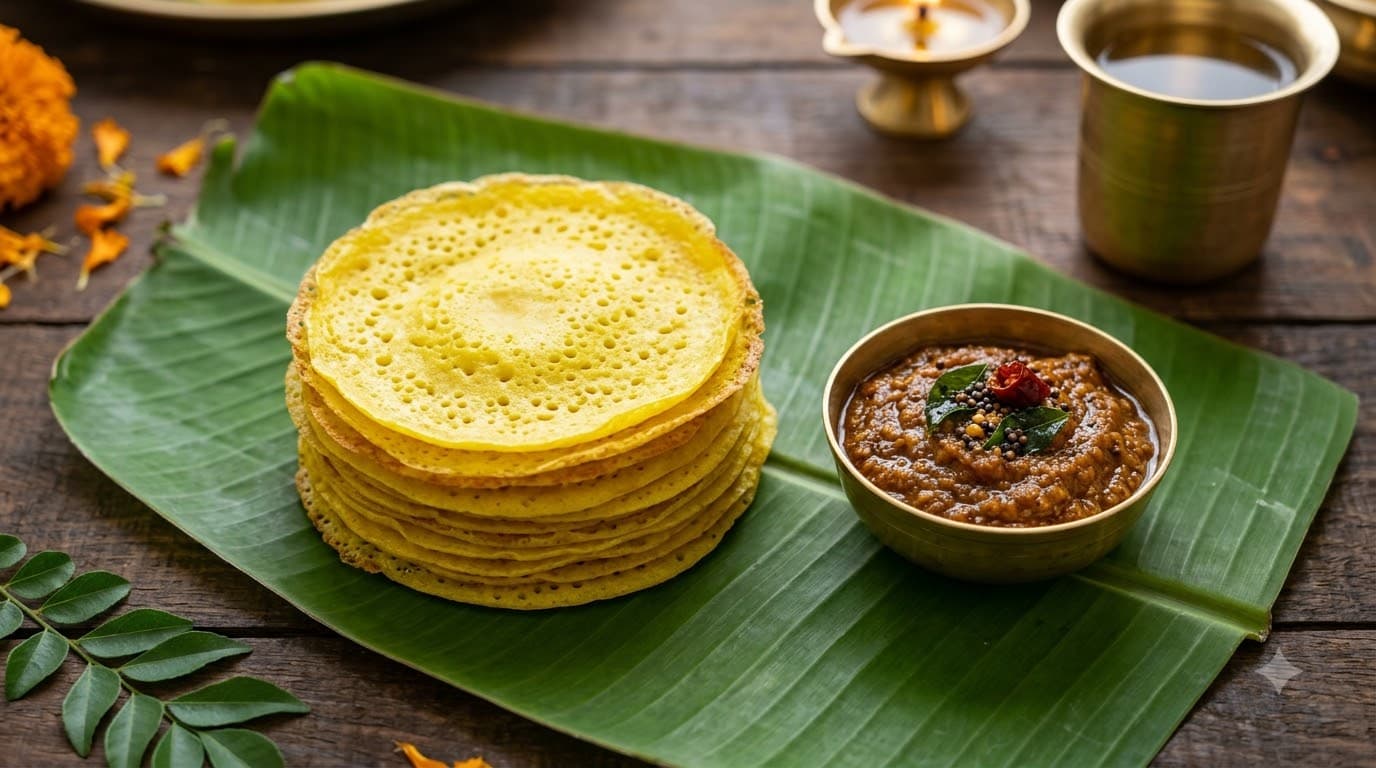
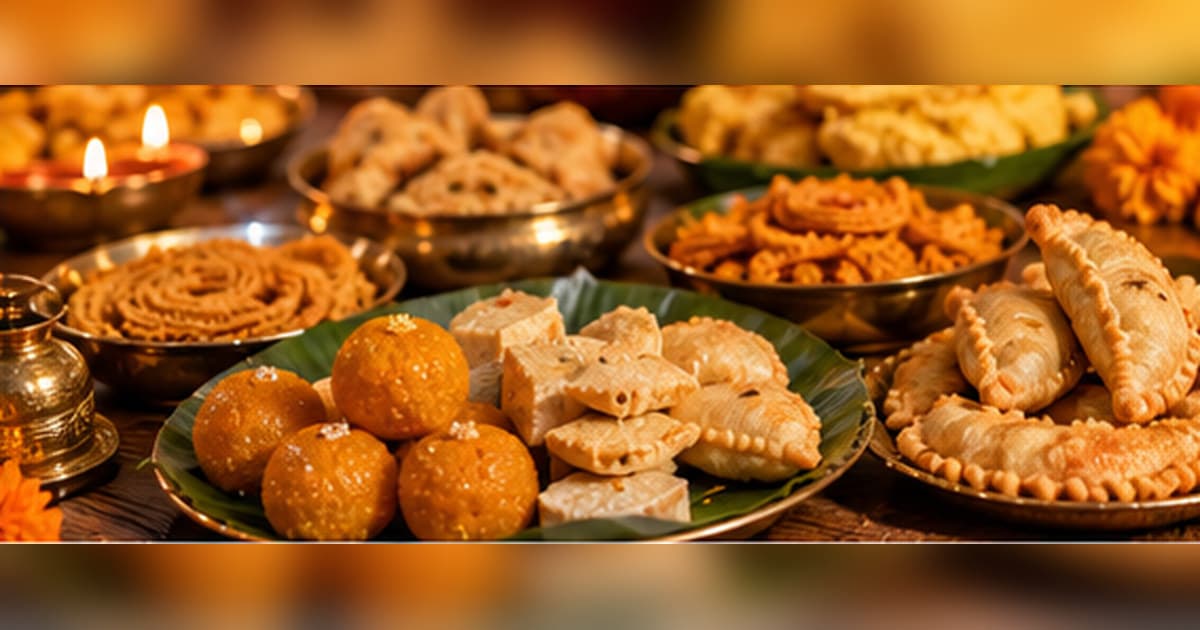
Families prepare a variety of sweets and savouries, including laddus, ariselu, kajjikayalu, and other regional favourites.
Recipes and offerings vary by household.
Respecting Regional Practices
Some families also perform Kedareswara Vratham, Lakshmi Puja, or other traditional observances.
There is no single mandatory celebration format for every Telugu family. The most appropriate practice is the one aligned with the family's traditions and guidance.
Diwali Dos and Don'ts
Celebrating responsibly allows families to preserve traditions while caring for their surroundings.
Things to Do
- Clean and prepare the home before the celebration.
- Verify the local puja muhurat.
- Arrange puja materials ahead of time.
- Involve children in age-appropriate prayers and decorations.
- Use reusable decorations wherever practical.
- Share food and festive greetings with family and neighbours.
- Keep lamps on stable, non-flammable surfaces.
- Support local artisans selling traditional diyas and decorations.
Things to Avoid
- Do not leave burning diyas or candles unattended.
- Avoid placing flames close to curtains, clothing, or dry flowers.
- Do not pressure anyone into purchasing expensive puja materials.
- Avoid loud celebrations that disturb infants, older adults, animals, or neighbours.
- Do not assume that one regional ritual applies to every household.
Respect for family, community, and the environment is consistent with the spirit of Deepavali.
Celebrate Diwali 2026 With Divine Center
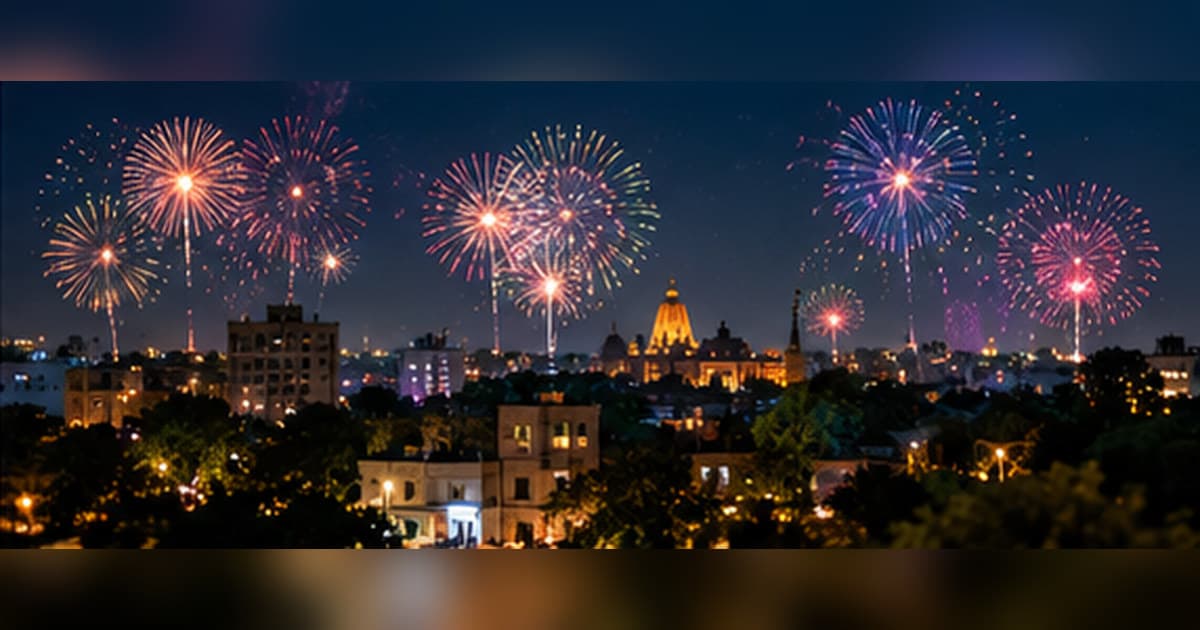
Diwali is more than a festival of glowing lamps. It is an opportunity to bring renewed faith, gratitude, wisdom, and harmony into everyday life.
Whether you follow a simple household tradition or arrange a more detailed Lakshmi Puja, what matters most is the devotion and positive intention behind the celebration.
Planning a traditional Diwali Puja?
Divine Center helps devotees connect with Pandits for sacred rituals and puja guidance.
Explore the available Deepavali services and enquire about suitable arrangements for your family.
Visit Divine Center to explore Diwali Puja services.
Divine Center — Connecting Faith, Delivering Grace.
Frequently Asked Questions
What is the Lakshmi Puja time in Hyderabad?
Drik Panchang lists approximately 6:07 PM to 8:08 PM IST on November 8, 2026. Check your local Panchangam and family tradition before performing the puja.
Can I perform Diwali Puja without a Pandit?
Yes. Many families perform a simple Lakshmi Puja themselves. For formal Vedic rituals or a more elaborate ceremony, a knowledgeable Pandit can provide guidance.
When is Diwali in 2026?
Diwali 2026 falls on Sunday, November 8, in India. Both Naraka Chaturdashi and the main Deepavali celebration are observed on that date in Telangana and Andhra Pradesh.
Why do Hindus celebrate Diwali?
Diwali celebrates the victory of light over darkness and goodness over evil. Traditions connect it with Lord Rama's return to Ayodhya, the defeat of Narakasura, and the worship of Goddess Lakshmi.
What are the main items needed for Lakshmi Puja?
Common items include Goddess Lakshmi and Ganesha images, diyas, flowers, turmeric, kumkum, akshata, fruits, sweets, water, and incense. Requirements vary by tradition.
How is Deepavali celebrated in Telugu families?
Many Telugu families observe Abhyanga Snanam, light traditional pramidalu, perform puja, prepare sweets, and gather with relatives. Rituals differ by family and region.
What is the difference between Diwali and Deepavali?
Diwali and Deepavali refer to the same festival. Deepavali is the longer traditional name meaning a row of lamps, while Diwali is a widely used shortened form.
How can I arrange a Diwali Puja with Divine Center?
Visit Divine Center's Deepavali service page, explore the available worship options, and enquire about Pandit availability and arrangements before confirming a booking.