Atla Tadde: The Telugu Fast That Ends When the Moon Shows Up in a Bowl of Water
By Divine center ·
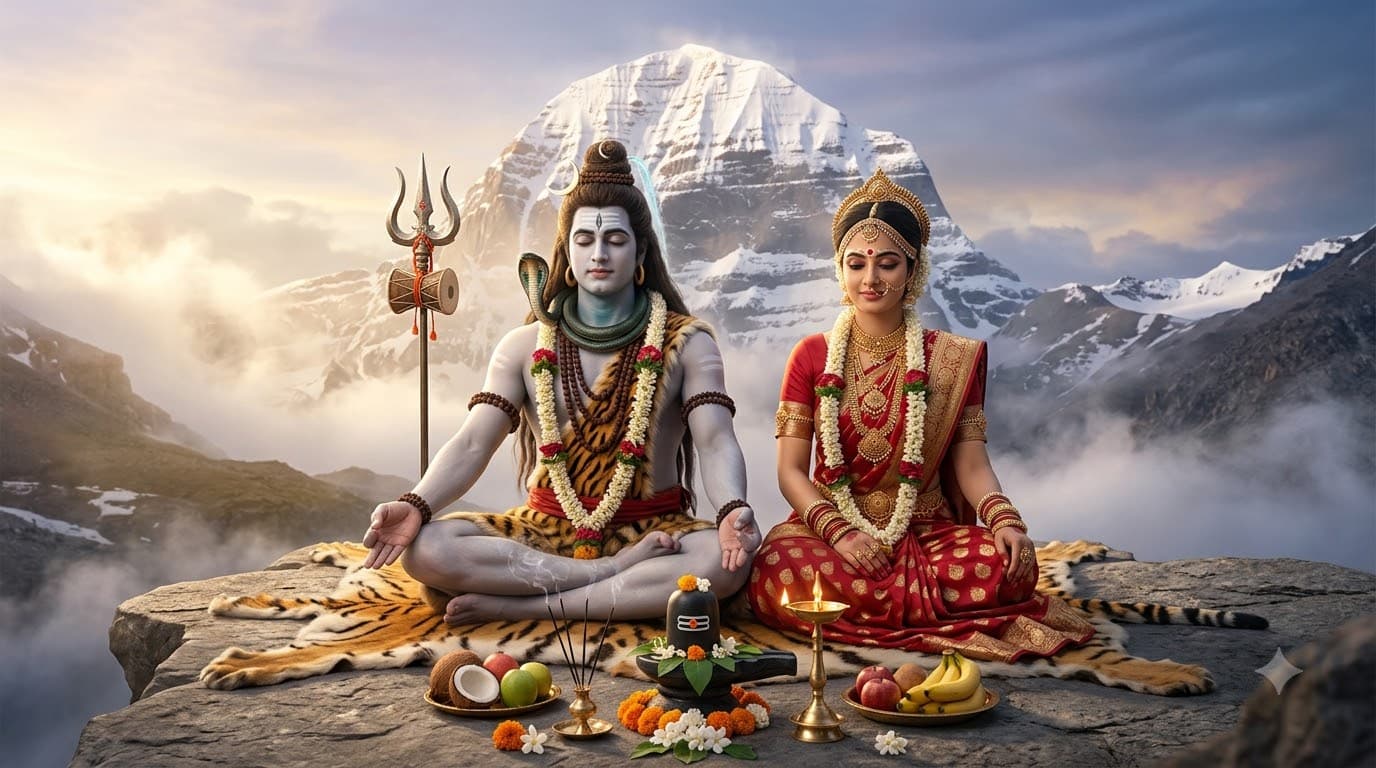
Atla Tadde is a Telangana and Andhra Pradesh festival honoring Goddess Gauri, marked by a waterless fast broken only after moonrise. Here's the legend, the ritual, and how it's observed safely.
Atla Tadde
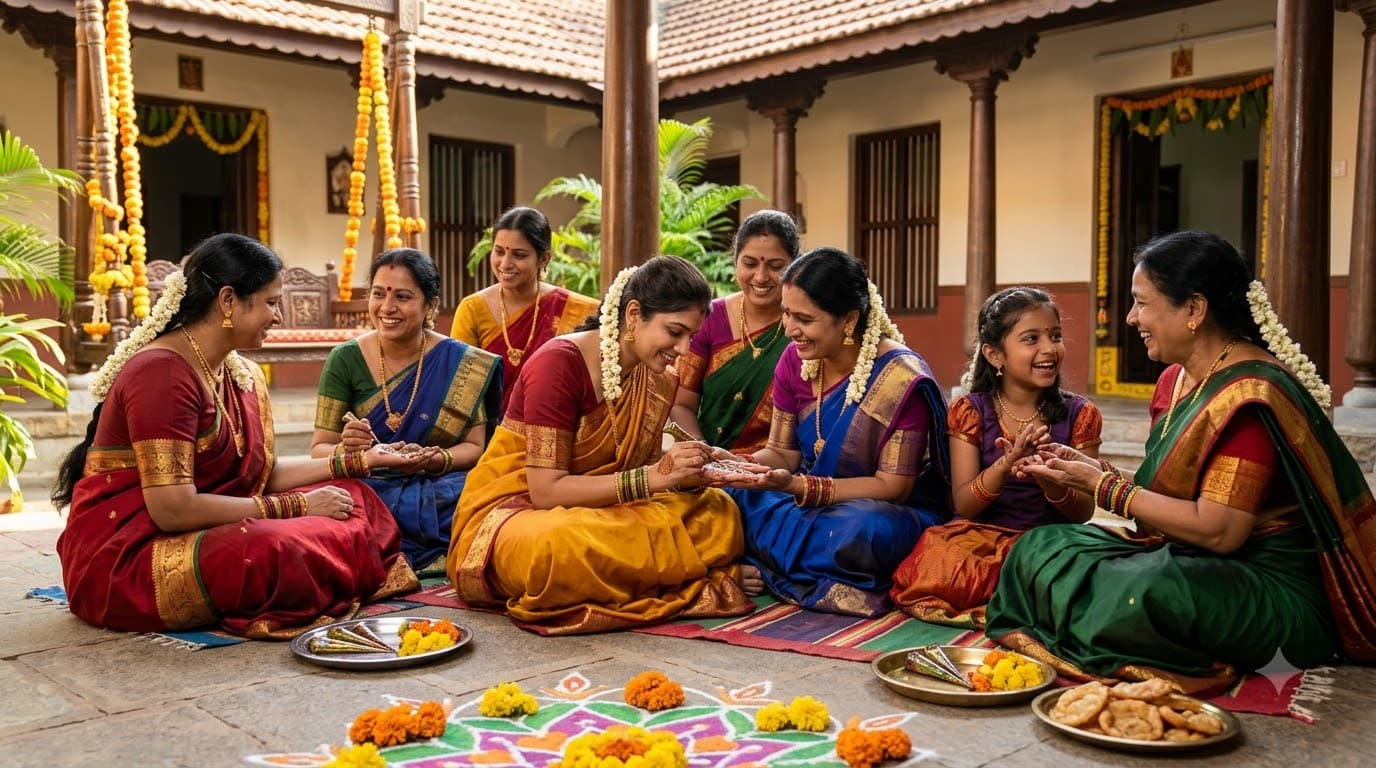
Somewhere in the late afternoon, a group of women gather on a terrace or in a courtyard, hennaed palms held out to compare, none of them having eaten or had a drop of water since the previous evening. They won't touch food again until the moon rises — and even then, not by looking up at the sky directly, but by finding its reflection first, in a bowl of water or oil set out for exactly this. That's Atla Tadde, and for the women observing it, that reflected moon is the single moment the whole day has been building toward.
This guide covers what Atla Tadde actually involves, the legend behind it, how it compares to Karva Chauth without being the same festival, and an honest note on fasting safety for anyone observing it.
1. What Is Atla Tadde?
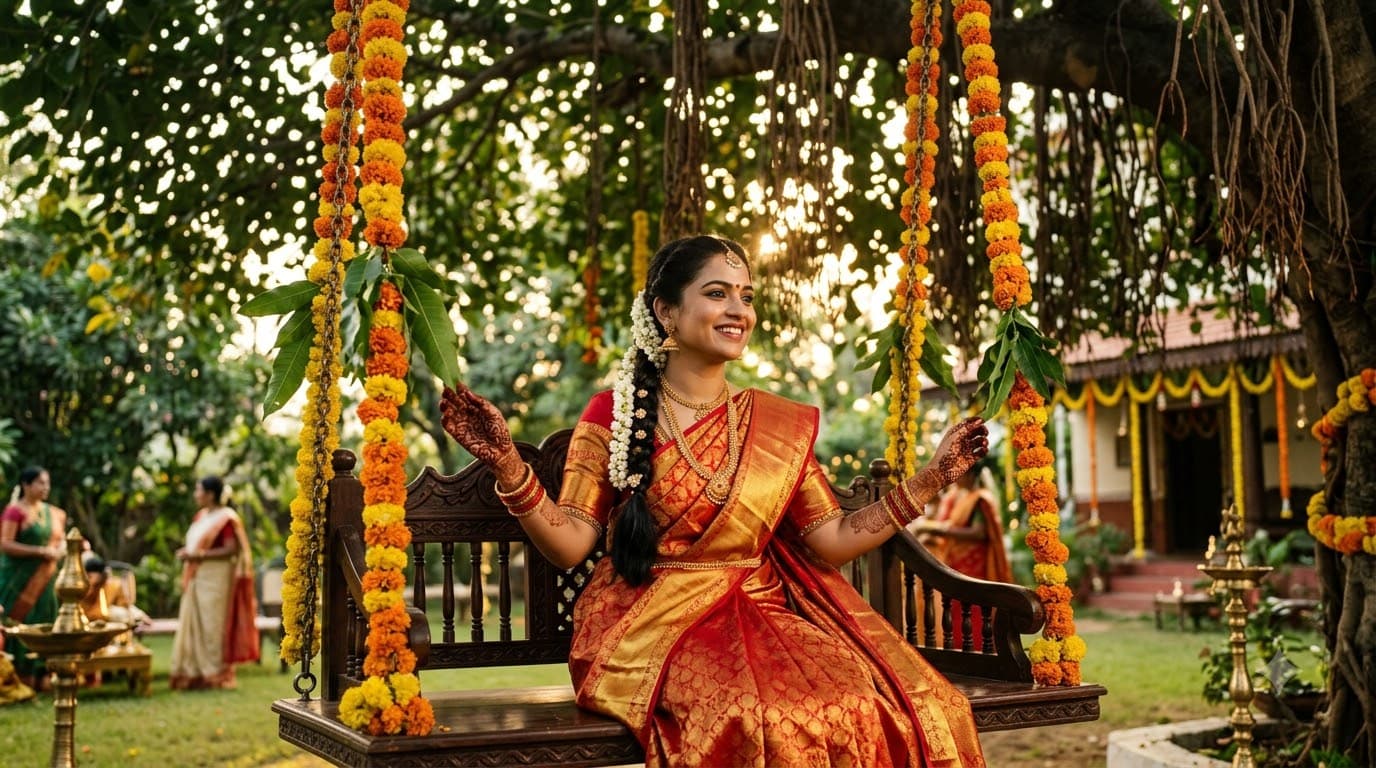
Atla Tadde — also spelled Atla Taddi — is a Telugu festival observed by women in Andhra Pradesh and Telangana, honoring Goddess Gauri. Married women observe it for their husband's health and long life, and unmarried women observe it while praying for a suitable husband. It centers on a strict day-long fast broken only after moonrise, and is often described as the Telugu equivalent of Karva Chauth, though the two are separate regional observances rather than the same festival under different names.
At a Glance:
- Who observes it: married and unmarried Hindu women in Andhra Pradesh and Telangana
- Deity honored: Goddess Gauri
- Typical timing: the third day of the dark fortnight (Bahula Tadiya) of Ashwin Masam, generally September-October
- Core ritual: a nirjala (waterless) fast from the previous evening until moonrise
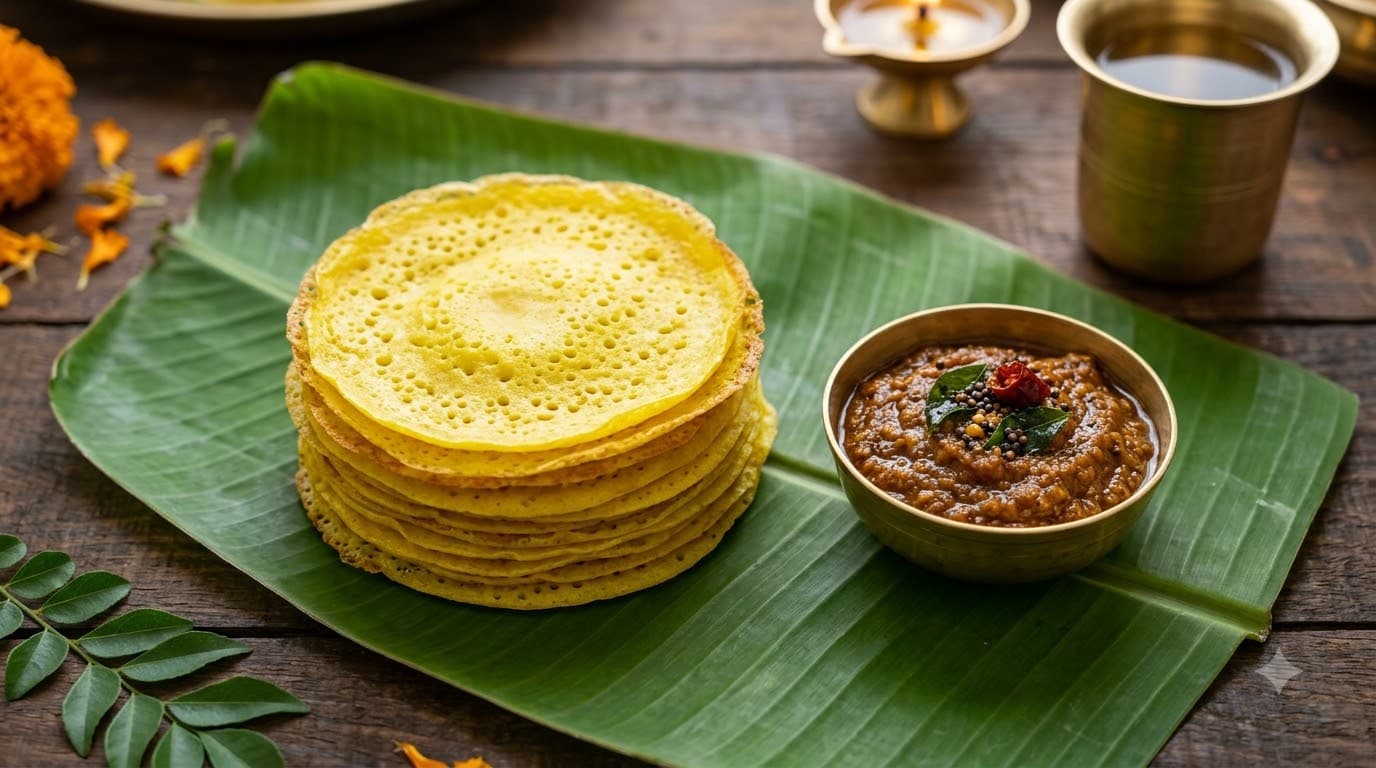
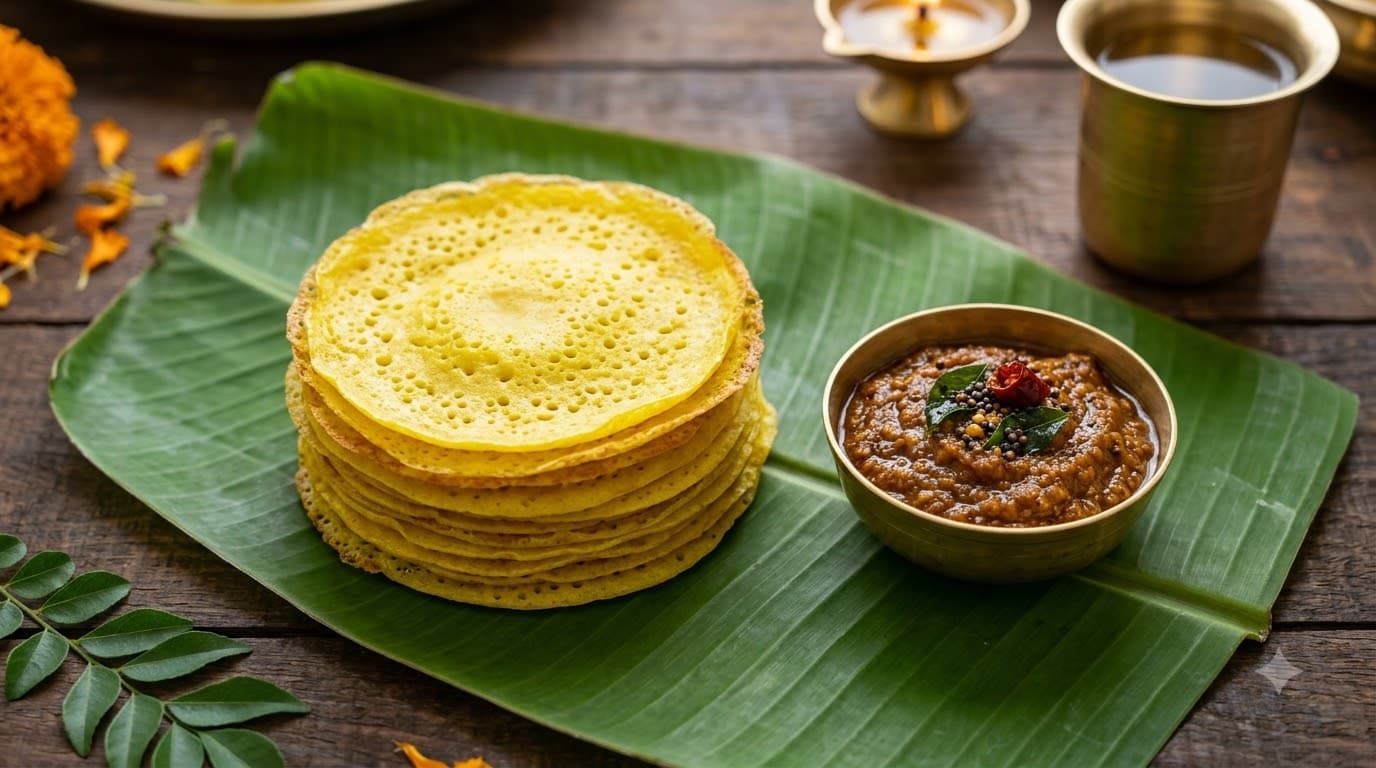
- Fast-breaking food: Atlu — small savory rice pancakes, eaten while viewing the moon's reflection
Did You Know? The festival takes its name from the Atlu (pancakes) prepared to break the fast — “Atla Tadde” roughly translates to the “third day of Atlu.”
2. The Legend Behind Atla Tadde
Tradition tells the story of a princess who attempted this vratam but fainted from hunger and thirst before moonrise. Her brothers, unable to bear watching her suffer, tricked her into breaking her fast early by showing her the reflection of a fire in a mirror, letting her believe it was the moon. Not knowing she'd been deceived, she broke her fast.
Years later, facing repeated misfortune in her marriage, she fled to the forest, where Lord Shiva and Goddess Parvati are said to have revealed to her that her incomplete, deceived observance of the vratam years earlier was the cause. She returned and completed the Atla Tadde vratam with full devotion, and tradition holds that she was blessed with a suitable, happy marriage afterward.
Myth vs. Fact: This is a devotional legend passed down through tradition, not a documented historical account. It's worth noting the story's core device — a false moon shown to end a fast early — is strikingly similar to the Veeravati legend told for Karva Chauth in North India, which is likely part of why the two festivals are so often compared.
3. When Is Atla Tadde Observed?
Atla Tadde falls on the third day of the dark fortnight (Bahula Tadiya) of Ashwin Masam, following the Telugu (Amanta) panchangam observed in Telangana and Andhra Pradesh — a few days after Ashwin Purnima, which itself follows shortly after Vijayadashami/Dasara. On the Gregorian calendar, this generally lands in late September to mid-October, though the exact date shifts every year since it's tied to the lunar calendar.
Panchangam Note: Because this is a tithi-based observance reckoned from local sunrise, the exact Gregorian date changes annually and can shift by a day between panchangams. Confirm the current year's exact date, along with the expected moonrise time for your city, with a Hyderabad/Telangana-set panchangam before beginning the fast.
Karva Chauth, observed by North Indian women, typically falls close to the same general period but on its own separate date, following the Purnimanta calendar convention rather than Atla Tadde's Amanta one.
4. Where Is Atla Tadde Observed?
Atla Tadde is observed specifically in Andhra Pradesh and Telangana — it isn't a pan-India festival, unlike some of the observances around it in the calendar. In Hyderabad, the evening of Atla Tadde often turns into a social occasion as much as a religious one: groups of women and girls gather on terraces, apply henna the evening before, and wait out the fast together rather than alone at home.
The festival sits close to Bathukamma and Dasara in the calendar, and in many households the string of observances — Bathukamma, Dasara, then Atla Tadde a short while later — is experienced as one long stretch of the year's festival season rather than separate, unrelated events.
5. Spiritual Significance
The fast itself is treated as an act of devotion and endurance offered to Goddess Gauri — a physical demonstration of commitment to a husband's wellbeing, or, for unmarried women, to the hope of a good marriage ahead. The moon plays a central role because it's associated with Shiva, and viewing its reflection rather than the moon directly is treated as part of the ritual's precision — the legend's warning about a false moon runs directly beneath this detail.
Beyond the individual vow, the shared, social nature of the evening — women gathering together rather than fasting in isolation — is itself part of what the festival is understood to be about: a community of women supporting each other through a difficult day.
6. How to Observe Atla Tadde at Home
- The evening before, apply henna (mehendi) to the palms.
- Eat a pre-dawn meal of rice and curd before the fast begins.
- Observe the nirjala fast — no food or water — through the day.
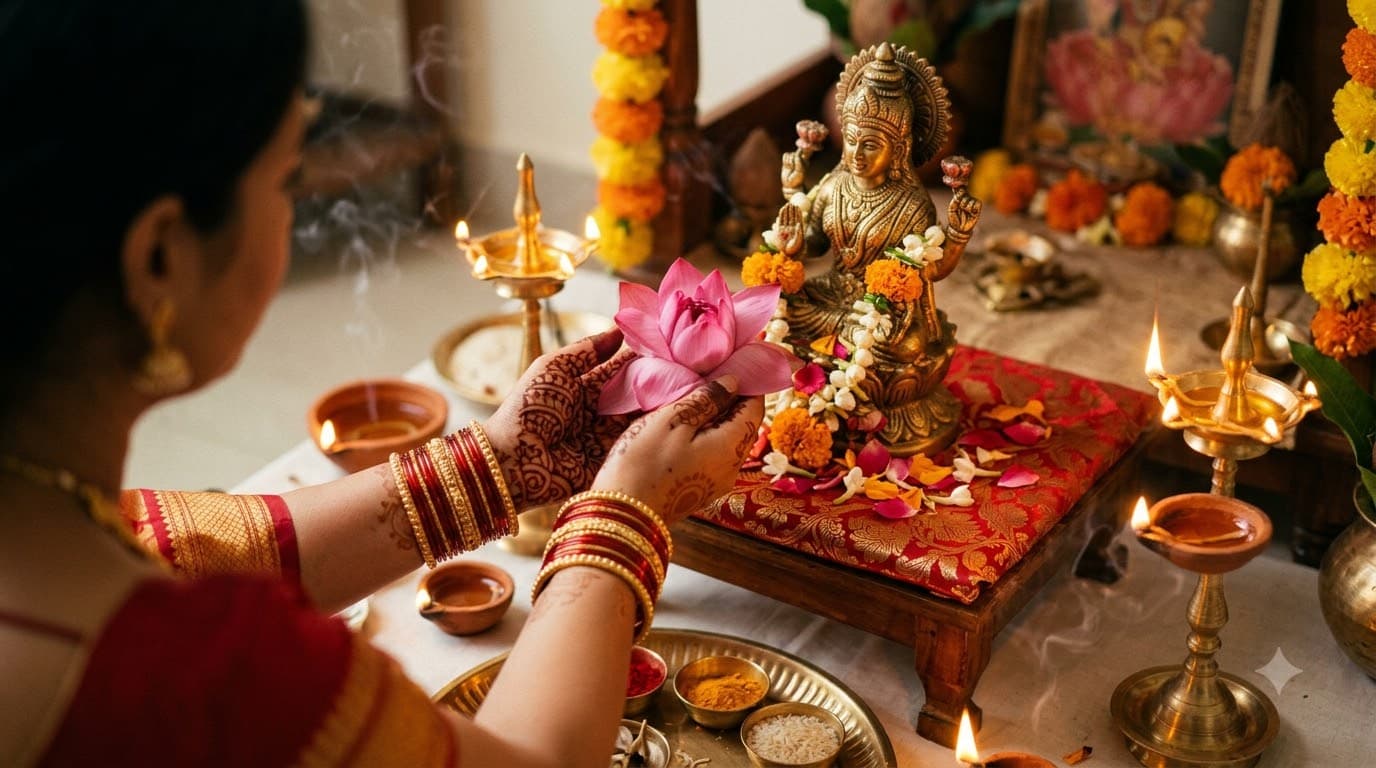
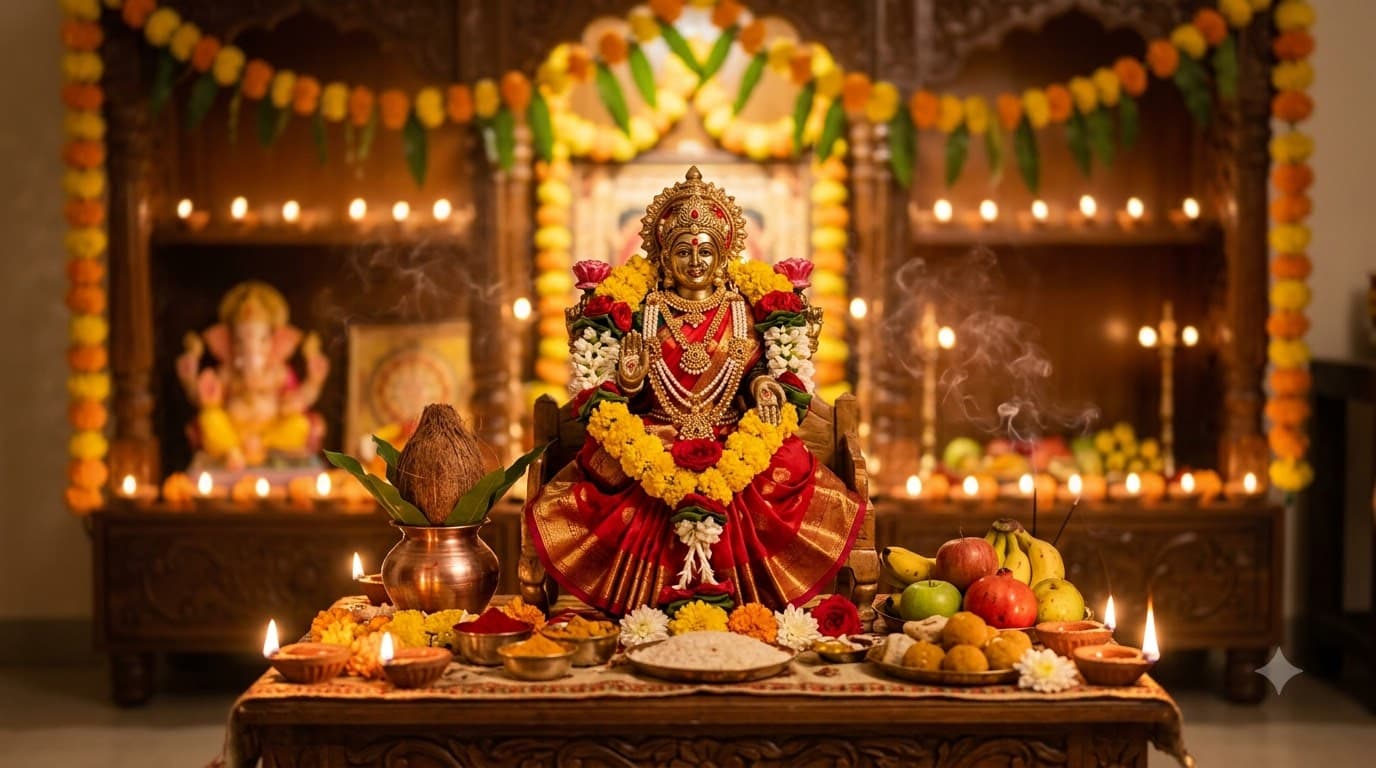
- In the evening, perform puja to Goddess Gauri.
- Wait for moonrise, then view the moon's reflection in a bowl of water or oil rather than looking directly at the sky.
- Break the fast with freshly made Atlu, offered first to Goddess Gauri as prasadam.
Quick Tip: Confirm the expected moonrise time for your city in advance so the evening puja and the wait afterward can be planned around it rather than guessed at.
7. Major Rituals of Atla Tadde
- Mehendi application: henna applied to palms the evening before
- Nirjala vratam: the day-long fast without food or water
- Gauri Puja: evening worship of Goddess Gauri
- Moon-reflection viewing: the moon is seen in a bowl of water or oil, not looked at directly, before the fast is broken
- Atlu preparation: the rice pancakes made specifically to break the fast
- Swinging and games: in many households, women and girls swing on decorated swings and play games together through the evening before moonrise
8. Fasting Safety & Food Customs
The pre-dawn meal traditionally eaten before the fast begins is usually rice and curd (dahi-chawal style), meant to sustain the body through the day ahead. Atlu — the small rice pancakes used to break the fast — along with dosa and pootarekulu are the traditional offerings made to Goddess Gauri that evening.
A safety note: a nirjala (waterless) fast is physically demanding, and isn't advisable for everyone. Pregnant women, anyone managing diabetes, low blood pressure, or another condition affected by fasting, and anyone who feels unwell during the day should not push through a waterless fast — sipping water, or observing a modified fast with food but no over-exertion, is an accepted alternative in many families, and the devotion behind the observance doesn't depend on completing it in its strictest form.
9. Do's and Don'ts
Do:
- Confirm the current year's exact date and expected moonrise time with a local panchangam before beginning the fast.
- Eat a substantial pre-dawn meal if observing the full nirjala fast.
- View the moon's reflection in water or oil before breaking the fast, per tradition.
- Modify the fast (sipping water, or eating lightly) if pregnant, unwell, or managing a health condition.
Don't:
- Don't push through a waterless fast if you feel unwell — stop and rehydrate.
- Don't confuse Atla Tadde with Karva Chauth — they're separate regional festivals with similar themes, not the same observance.
- Don't skip the pre-dawn meal if attempting the full fast — it matters for managing the day safely.
10. Interesting Facts
- Atla Tadde is often called the Telugu equivalent of Karva Chauth, but the two follow different regional calendars and traditions rather than being the same festival.
- The legend's central device — a false moon shown via a mirror or reflection to trick a fasting woman — appears in strikingly similar form in the Karva Chauth legend of Veeravati, suggesting a shared narrative tradition across regions.
- Unlike many Hindu vratams that are observed individually at home, Atla Tadde has a strong social, communal dimension — women gathering together for the evening is considered part of the observance, not incidental to it.
- The festival's name directly references its fast-breaking food, Atlu — unusual among Hindu festivals, most of which are named for the deity or occasion rather than the food eaten.
11. Plan Your Gauri Devi Worship with Divine Center
Atla Tadde is traditionally observed at home without a pandit, but if you'd like guidance on the exact date, muhurat, or a related Gauri puja, Book Kedara Gauri Vratam | Talk to Our Priest | Contact Divine Center
13. References & Further Reading
- Atla Tadde — Wikipedia — background on the festival's observance, timing, and Karva Chauth comparison.
- Bathukamma — Wikipedia — for context on the broader Telangana festival season Atla Tadde falls within.
- Karva Chauth — Wikipedia — for comparison against the North Indian festival Atla Tadde is often likened to.
14. Final Thoughts
There's a particular kind of patience Atla Tadde asks for — not just going without food and water, but waiting specifically for a reflection rather than the thing itself, trusting the ritual's precision even when the real moon is sitting right there overhead. Whatever a person makes of the legend behind it, that's the discipline the day is actually testing. Observed safely and with good company, it's as much a celebration as it is a vow.
Shubham.
Frequently Asked Questions
Q1. What is Atla Tadde?
A Telugu festival observed by married and unmarried women in Andhra Pradesh and Telangana, honoring Goddess Gauri with a day-long fast broken only after moonrise.
Q2. Is Atla Tadde the same as Karva Chauth?
No. They're often compared as regional equivalents since both involve a waterless fast broken at moonrise for a husband's wellbeing, but Atla Tadde and Karva Chauth follow separate regional calendars and traditions.
Q3. When does Atla Tadde fall?
On the third day of the dark fortnight (Bahula Tadiya) of Ashwin Masam, generally landing in late September to mid-October. The exact date shifts every year, so confirm it against a current Telangana-set panchangam.
Q4. Is the Atla Tadde fast waterless?
Yes, traditionally it's a nirjala (waterless) fast from the previous evening until moonrise. However, pregnant women, those with health conditions, or anyone who feels unwell should modify the fast rather than push through it strictly.
Q5. Why do women view the moon's reflection instead of the moon directly?
This custom traces back to the festival's legend, where a woman was tricked into breaking her fast early by a false moon shown in a mirror. Viewing the reflection in water or oil, rather than the sky, is treated as part of the ritual's precision.
Q6. What food is eaten to break the Atla Tadde fast?
Atlu — small savory rice pancakes — are the traditional fast-breaking food, along with dosa and pootarekulu, offered first to Goddess Gauri.
Q7. Can unmarried women observe Atla Tadde?
Yes — unmarried women observe it as well, praying for a suitable husband, alongside married women who observe it for their husband's health and longevity.
Q8. Is Atla Tadde connected to Bathukamma or Dasara?
It falls a short while after both in the calendar, and in many Telangana households the three are experienced as one continuous festival season rather than separate, unrelated events.