Griha Pravesh Puja – Complete Guide to Housewarming Rituals & Muhurat
By Divine Center ·
Planning your Griha Pravesh Puja? Discover auspicious muhurat, rituals, regional traditions, checklist, and FAQs to ensure your new home begins with divine blessings and prosperity.
Spiritual Significance & History of Griha Pravesh Across India
Griha Pravesh is a foundational ritual in Hindu tradition, marking the transition from a physical structure to a sanctified living space. Derived from the Sanskrit Griha (house) and Pravesh (entry), the ceremony invites divine energies to inhabit the home. In Vedic philosophy, a house is viewed as a living energy field that absorbs the vibrations of its surroundings. Therefore, purifying the space before occupation is essential to ensure the well-being of its inhabitants.
Auspicious Muhurat & Step-by-Step Rituals
In Hindu astrology, timing is everything. Selecting an auspicious Muhurat ensures that the planetary alignments support the prosperity of the household. Traditionally, the most favorable months are Magha, Phalguna, Vaishakha, and Jyeshtha. Conversely, periods like Pitru Paksha or the month of Bhadrapada are avoided as they are deemed inauspicious for new beginnings. Preferred days include Monday, Wednesday, Thursday, and Friday, while specific Nakshatras like Rohini, Mrigashira, and Revati are prioritized for their positive influence.
Home Checklist & Regional Traditions
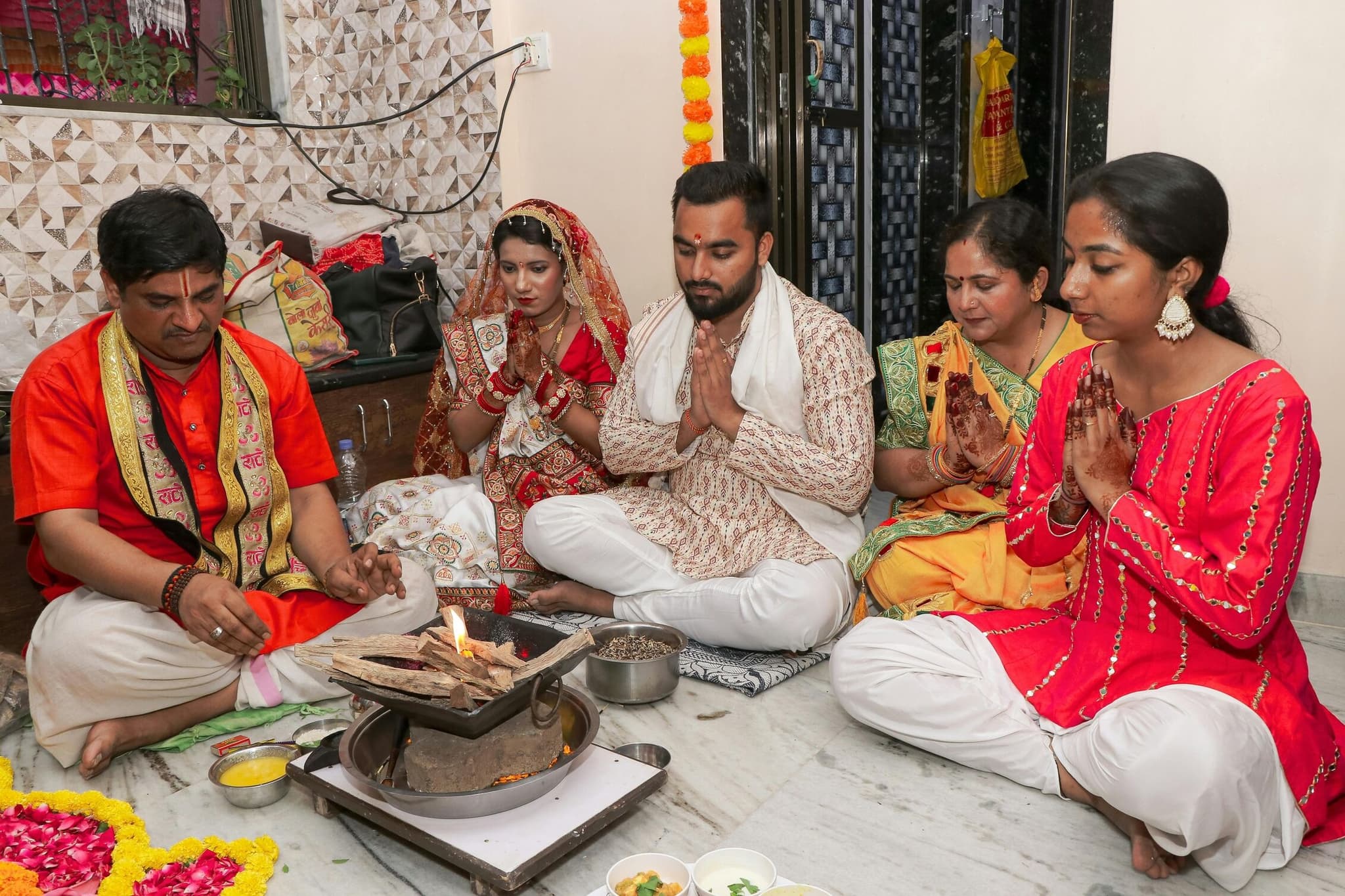
Preparation is vital for a seamless Griha Pravesh. A comprehensive checklist includes deep cleaning the entire premises, decorating the entrance with Torans, and arranging specific Havan materials. It is essential to ensure that utilities like water and electricity are functional and that the temple area is established before the priest arrives. Inviting family and friends is equally important, as their collective positive intentions enhance the home's energy.