Telugu Wedding Rituals Explained: Every Step from Start to Finish, with Its Meaning & the Science Behind It
By Divinecenter ·
A Telugu wedding
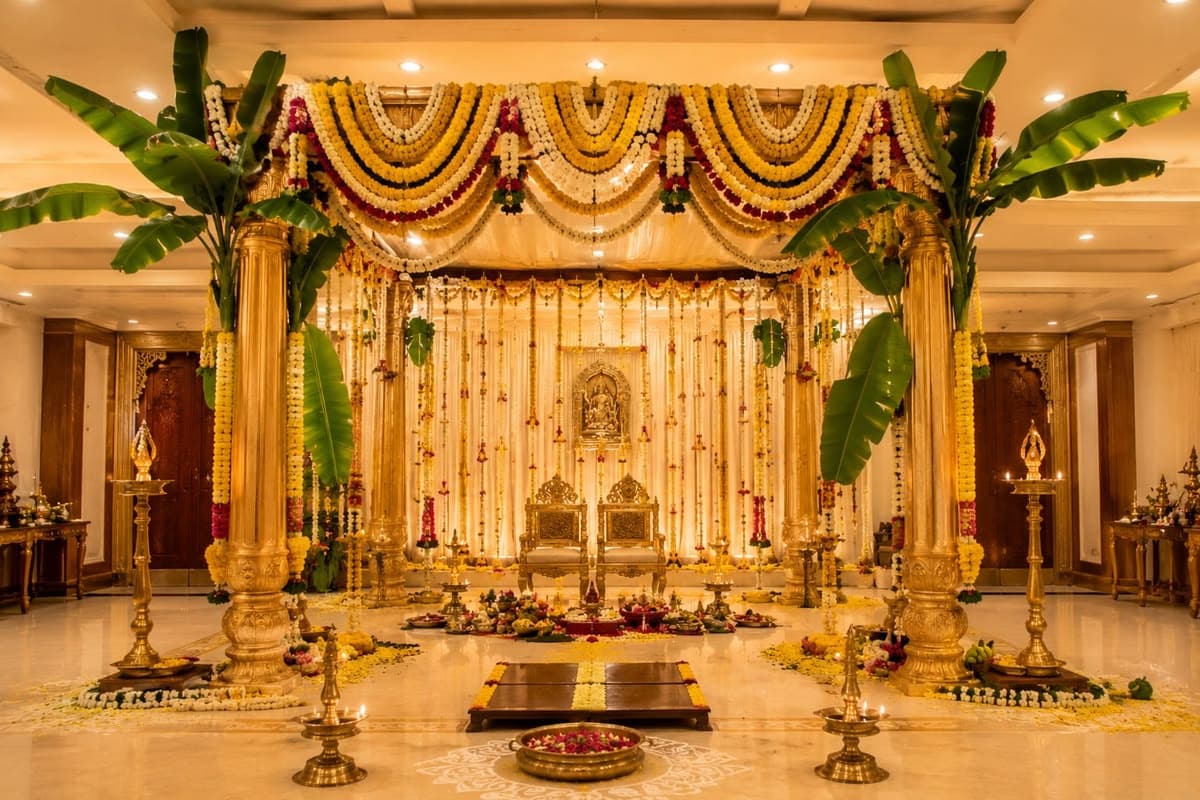
A Telugu wedding — a pelli — isn’t one ceremony. It’s a string of small, beautiful rituals, each with its own meaning, threaded together over a day or two into the strongest bond our culture knows. Some are solemn, some are pure fun, and almost every one carries a belief — and often a quiet, practical wisdom — behind it. This is a complete walk through that journey, from the first turmeric bath to the moment the groom points out a faint star in the night sky. For each step, you’ll find what happens, what it’s believed to mean, and the reasoning or science behind it where there is one.
A quick, honest note on “science”: some Telugu wedding customs have a genuinely practical basis (turmeric is antiseptic; cumin and jaggery aid digestion; the Arundhati star really is a double star). Others come with “scientific” explanations that are widely repeated but not actually proven — these we’ve flagged as traditional rationale rather than established fact. Ritual order also varies by family, region and sub-community, so treat this as the common flow, not a fixed rulebook.
How a Telugu Wedding Flows: The Big Picture
- Before the wedding (Pelli Mundu): Nischitartham, Pendlikoduku & Pellikuthuru, Snatakam & Kashi Yatra, Mangala Snanam, Gauri & Ganesh Puja, Pasupu (Nalugu), Basingalu
- The muhurtham: Edurkolu, Kanyadanam, Madhuparkam, Addutera, Jeelakarra Bellam, Mangalya Dharanam (Pustelu), Talambralu, Dandalu, Saptapadi, Mettelu & Nalla Pusalu, Brahma Mudi, Pravara
- Under the stars & after (Pelli Tarvata): Arundhati Nakshatram, Aashirvadam, Appaginthalu, Grihapravesam
Before the Wedding (Pelli Mundu)
Nischitartham (Engagement)
What happens: The two families formally agree to the match. Gifts, clothes and a written lagna patrika (the wedding’s astrological details) are exchanged, and the priest fixes the muhurtham — the auspicious wedding time.
The belief: A marriage begun at an auspicious moment, with both families’ blessings, starts on the right foot.
The reasoning: Beyond astrology, this is the social contract — two families publicly commit, plan logistics, and align on dates, which historically gave the whole community time to prepare.
Pendlikoduku & Pellikuthuru
What happens: The groom is honoured as Pendlikoduku and the bride as Pellikuthuru, often with Ganesha and Gauri worship, marking them as ready for marriage.
The belief: Invoking the gods first clears obstacles (Ganesha) and blesses the bride with a happy married life (Gauri).
The reasoning: A gentle rite of passage — it marks the shift from child of the household to bride/groom, and gathers family around them.
Snatakam & Kashi Yatra
What happens: The groom wears a sacred thread and, in the playful Kashi Yatra, pretends to renounce worldly life and set off as a hermit — until the bride’s father or brother stops him and persuades him to choose the householder’s life and marry instead.
The belief: It marks the groom’s transition from the student stage (brahmacharya) to the householder stage (grihastha).
The reasoning: A lovely bit of theatre with real meaning — it frames marriage as a conscious choice of responsibility over escape, and lightens the mood.
Mangala Snanam
What happens: On the wedding morning, both bride and groom take an auspicious ceremonial bath, often with oil and turmeric.
The belief: A purifying bath readies the body and mind for a sacred day.
The reasoning: Practical and genuine — a clean, calming start to a long, demanding day.
Gauri Puja & Ganesh Puja
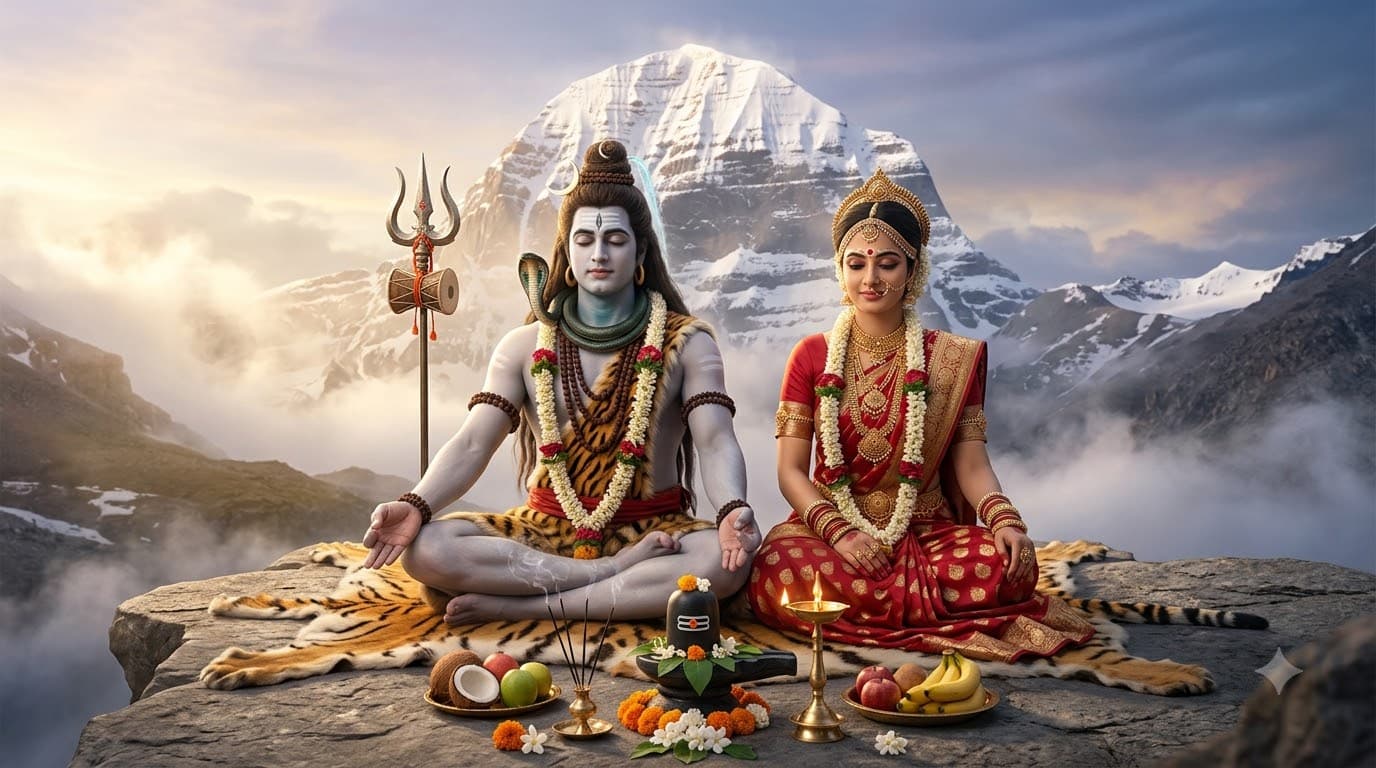
What happens: The bride worships Goddess Gauri (Parvati) for a blessed married life; the groom and the proceedings begin with Ganesha worship to remove obstacles.
The belief: Gauri is the ideal of devoted partnership; Ganesha ensures the ceremony runs without a hitch.
The reasoning: Beginning any major undertaking with focus and intention — a universal, steadying practice.
Pasupu / Nalugu (the Turmeric Ceremony)
What happens: Turmeric paste (pasupu) is applied to the bride and groom by family.
The belief: Turmeric is auspicious and protective, and gives the skin a bridal glow.
The science (genuine): Turmeric’s active compound, curcumin, is antiseptic and anti-inflammatory — cleansing and soothing the skin before the wedding. One of the clearest examples of practical wisdom dressed as ritual.
Basingalu
What happens: Ornamental forehead bands — basingalu — made of palm leaf, flowers, pearls or metal are tied on the foreheads of both bride and groom.
The belief: They mark the couple as the “king and queen” of the day, and ward off the evil eye (drishti).
The reasoning: Part adornment, part focus: the basingam frames the face and, in its leaf-and-flower form, helps keep the head cool through long hours under heat. Mostly cultural and protective rather than scientific.
The Muhurtham — The Heart of the Wedding
Edurkolu (Welcoming the Groom)
What happens: The groom and his family are received at the mandapam; the bride’s brother often washes the groom’s feet and welcomes the party.
The belief: The groom is honoured as a form of Lord Vishnu arriving to wed Lakshmi.
The reasoning: A formal, gracious welcome that sets a tone of mutual respect between the families.
Kanyadanam (Giving Away the Bride)
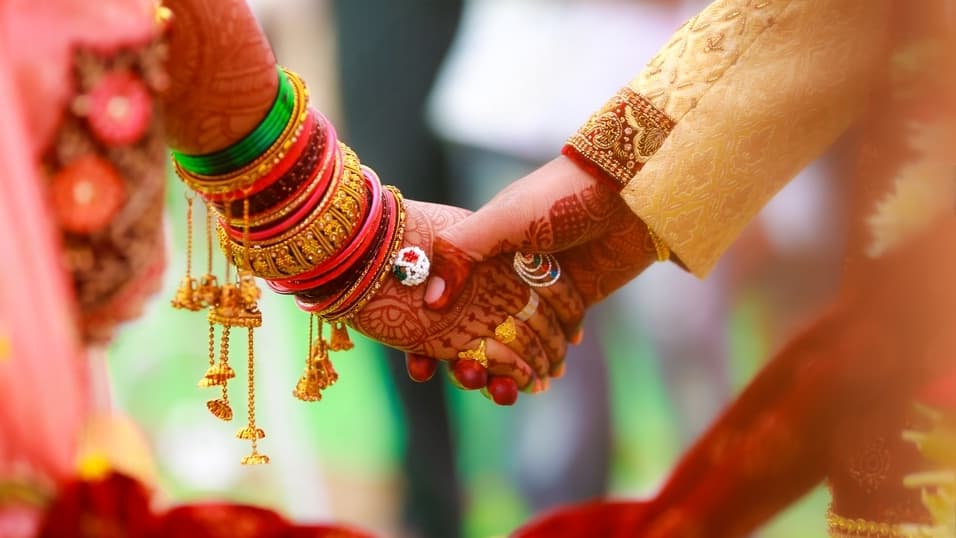
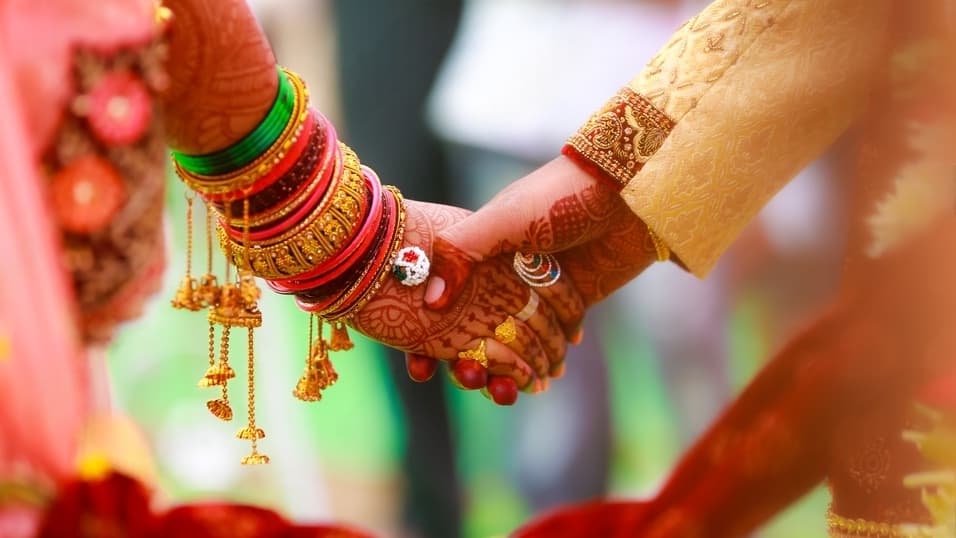
What happens: The bride — sometimes carried in a bamboo basket by her maternal uncle — is given to the groom. Her parents wash the groom’s feet and place their daughter’s hand in his, amid Vedic mantras.
The belief: The bride is Lakshmi and the groom Vishnu; kanyadanam is considered one of the noblest gifts a parent can give.
The reasoning: The emotional and ceremonial heart of the parents’ role — a public entrusting of their daughter’s wellbeing, and a moment of profound letting-go.
Madhuparkam
What happens: The couple change into simple white cotton attire with a coloured border (red, yellow or green); the groom is offered madhuparkam, a drink of honey and curd.
The belief: White stands for purity, the border for strength; honey-curd is a sweet, auspicious welcome.
The reasoning: A reset into humble, sacred dress for the core rites — and honey-curd is a genuinely nourishing, cooling offering.
Addutera / Terasala (the Curtain)
What happens: A curtain is held between the bride and groom so they cannot see each other.
The belief: The couple should first “meet” only at the sacred muhurtham, not before.
The reasoning: It builds anticipation to a single charged moment — and, in the era of arranged matches, gave a dignified structure to two near-strangers’ first shared act.
Jeelakarra Bellam (the Iconic Moment)
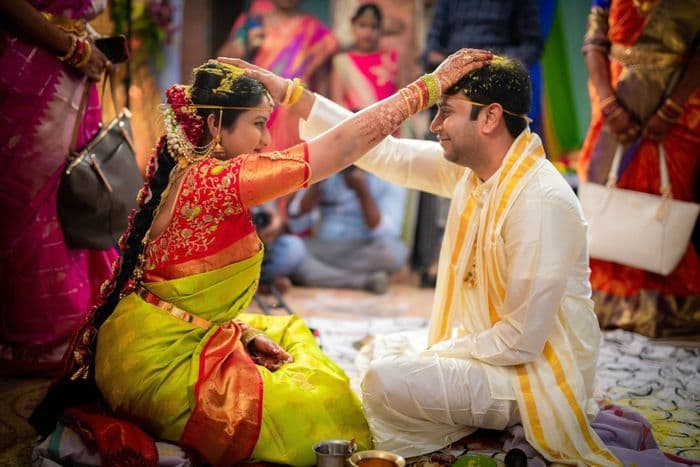
What happens: Exactly at the sumuhurtham, as the priest recites Vedic verses, the couple place a paste of jeelakarra (cumin) and bellam (jaggery) on each other’s heads, reaching over the curtain. The curtain is then dropped — and they see each other.
The belief: Cumin’s bitterness and jaggery’s sweetness, pressed together, cannot be separated — just as the couple must stay united through life’s bitter and sweet. It’s also said their thoughts and destinies intertwine in that touch. Many families consider this — not the mangalsutra — the exact moment the two become husband and wife.
The science (partly genuine): Cumin and jaggery is a time-tested Ayurvedic combination — cumin aids digestion, jaggery is rich in iron — though here the act is symbolic rather than dietary. The “exchange of thoughts” is belief, beautifully soMangalya Dharanam (Pustelu / Mangalsutram)
What happens: The groom ties the mangalyam around the bride’s neck — in Telugu tradition usually two gold discs (pustelu) on a turmeric-dyed thread — with three knots.
The belief: The three knots, which “can never be untied,” stand for an unbreakable bond of body, mind and spirit; the pustelu mark her as a married woman (sumangali).
The reasoning: Genuinely, it’s a universal social signal of married status — like a wedding ring — and historically gave the woman gold of her own as security. The popular claim that the gold “regulates blood flow at the throat” is folk rationale, not established science.
Talambralu (the Joyful Shower)
What happens: The couple shower each other with talambralu — rice mixed with turmeric (and today pearls, petals, even colourful balls). The first few times are gentle; then it turns into a delighted competition, with cousins pulling each side back.
The belief: Rice is prosperity and fertility; showering it wishes the couple abundance and joy.
The science (genuine, psychosocial): This is the deliberate ice-breaker — it dissolves the stiffness between two people just married, often barely acquainted, into shared laughter. A genuinely smart bit of emotional design.
Dandalu (Exchange of Garlands)
What happens: The couple exchange flower garlands.
The belief: Each accepts the other as life partner.
The reasoning: A simple, public act of mutual choosing.
Saptapadi (the Seven Steps)
What happens: Sapta (seven) + padi (steps). The couple take seven steps together around the sacred fire (homam) — the groom often leading the first steps, the bride the rest — taking a vow at each. In many Telugu families the bride also touches seven betel nuts as the groom holds her hand, and the couple press each other’s toe to signal equality.
The belief: The seven vows cover nourishment, strength, prosperity, shared joys and sorrows, care for children and family, and lifelong friendship. With the Saptapadi, the marriage is complete as per the Vedic scriptures.
The reasoning: This is, in effect, the relationship “contract” spoken aloud — naming mutual responsibilities and equality before witnesses. Walking together, not one behind the other, is the whole point. Agni, the fire, is the witness; the homam smoke from ghee and herbs also carries a mild cleansing, antimicrobial quality.
Sthalipakam — Mettelu & Nalla Pusalu
What happens: The groom (sometimes the bride’s maternal uncle) adorns the bride’s second toes with silver toe rings (mettelu) and gives her a string of black-and-gold beads (nalla pusalu).
The belief: Mettelu and nalla pusalu mark her as married; the black beads ward off the evil eye.
The reasoning: Genuinely, both are everyday social markers of marriage. Note the tradition that toe rings are silver, not gold — gold, being sacred, is worn above the waist. The popular claim that the toe ring presses a nerve linked to the uterus or menstrual cycle is folk rationale, not medically established.
Brahma Mudi (the Sacred Knot)
What happens: Betel nut, dried dates, a turmeric twig, betel leaf and coins are tied into the bride’s pallu and the groom’s kanduva (shawl), and the two ends are knotted together — usually by the groom’s sister.
The belief: The knot binds not just the couple but both families in goodwill.
The reasoning: A tangible symbol of two families now tied together — and a gentle reminder that a marriage joins households, not just individuals.
Pravara (Changing the Gotram)
What happens: On the dais, the bride’s gotram (lineage) is formally changed to the groom’s.
The belief: She now belongs to her husband’s lineage.
The reasoning: Historically, this also reinforced the rule against marrying within the same gotram — a very old safeguard against close-kin marriage.
Under the Stars & After (Pelli Tarvata)
Arundhati Nakshatram Darshanam (Showing the Arundhati Star)
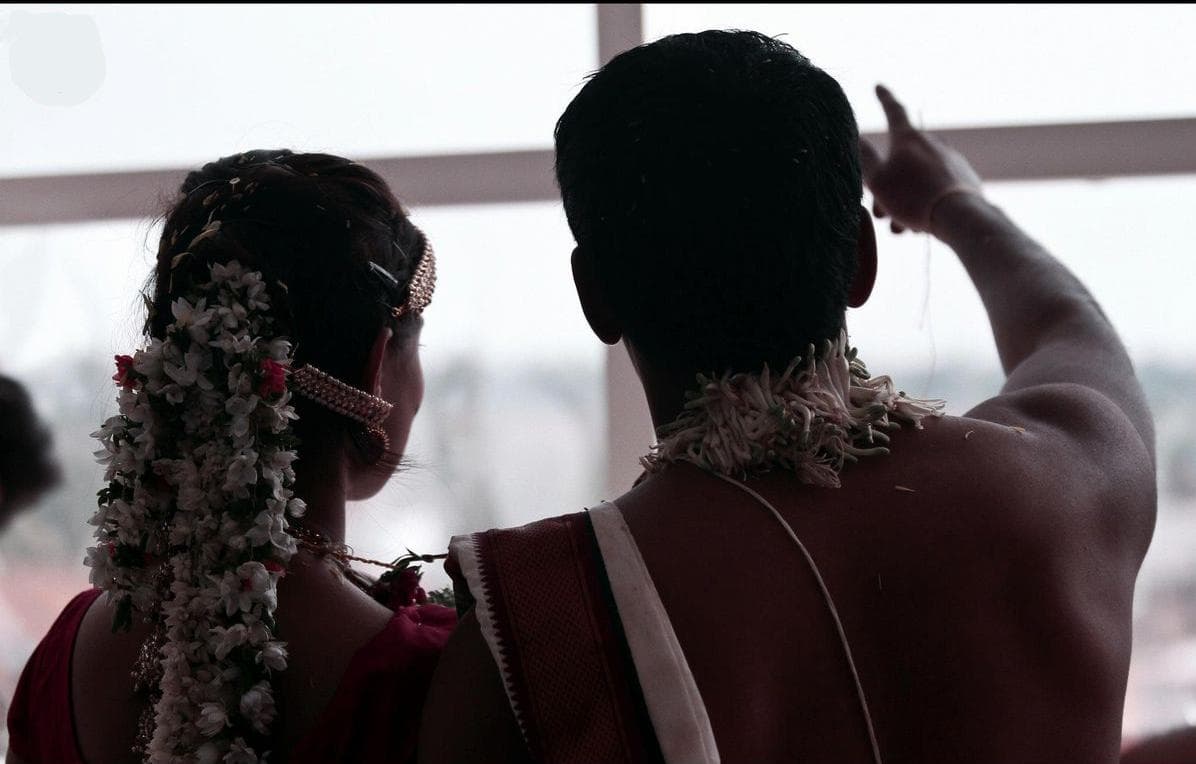
What happens: After the Saptapadi, usually at night, the groom points out the Arundhati star to the bride — the faint star beside one of the seven stars of the Saptarishi Mandalam (the Big Dipper / Ursa Major). Often the steady Pole Star (Dhruva) is shown first.
The belief: Arundhati was the utterly devoted wife of the sage Vashishtha; the couple are asked to be as loyal and steadfast as they were.
The science (genuinely beautiful): This is real astronomy. Vashishtha is the star Mizar, and Arundhati is Alcor — a true double star in Ursa Major. Unlike most twin stars where one orbits the other, these two move in harmony together — exactly the lesson: in a good marriage, neither partner “dances to the other’s tune”; both move as equals, in sync. (Spotting the faint Alcor was also, long ago, a folk test of keen eyesight.)
Aashirvadam (Blessings)
What happens: Elders and sumangalis (married women) bless the couple with akshintalu (turmeric rice).
The belief: The blessings of elders carry their own protective power.
The reasoning: Communal blessing weaves the couple into the wider family and its support.
Appaginthalu (the Farewell)
What happens: The bride’s family formally hands her over to the groom’s family, with gifts and heartfelt advice — one of the most tearful moments of the day.
The belief: The daughter is entrusted, with love, to a new home.
The reasoning: A dignified, public close to the bride’s life in her parents’ home — emotionally vital for everyone.
Grihapravesam
What happens: The bride enters her new marital home for the first time, often nudging a pot of rice at the threshold with her right foot.
The belief: She enters as Lakshmi, bringing prosperity into the home.
The reasoning: A warm, symbolic welcome that formally makes the home hers too.
Belief and Science: How to Read These Rituals
It’s tempting to sort every custom into “spiritual” or “scientific,” but the truth is gentler. Some Telugu wedding rituals carry real, practical wisdom — turmeric’s antisepsis, cumin-and-jaggery’s nourishment, talambralu’s clever ice-breaking, the genuine astronomy of the Arundhati double star. Others are symbolic and emotional, and no less valuable for it — the curtain’s anticipation, the knot that binds two families, the parents’ letting-go. And a few come wrapped in “scientific” explanations that sound convincing but aren’t actually proven — the toe-ring nerve theory, the mangalsutra and blood flow. The honest, joyful way to hold all of it: enjoy the meaning, respect the wisdom where it’s real, and don’t let a shaky “fact” carry the weight that the tradition itself carries so well.
Planning a Wedding? Book a Pandit with Divine Center
A Telugu wedding lives or dies on getting the details right — the muhurtham, the mantras, the correct sequence for your family’s tradition. Divine Center, based in Hyderabad, connects you with experienced, verified, Telugu-speaking pandits for weddings, Nischitartham, and every pre- and post-wedding ritual, with full samagri guidance and clear pricing. We arrange ceremonies across Hyderabad and Telangana, and NRI weddings and pujas for families abroad.
References & Further Reading
- Telugu Hindu wedding — Wikipedia — a well-sourced overview of the full ceremony and its stages.
- Mangalasutra — Wikipedia — the history and regional forms of the mangalyam / pustelu.
Final Thoughts
What makes a Telugu wedding so moving isn’t any single ritual — it’s the way they build on one another, from a turmeric bath at dawn to a faint star at night, each one saying the same thing in a different language: stay together, in sweetness and in bitterness, as equals, for life. Whether you’re planning your own pelli or simply want to understand the one you’re about to attend, may you carry a little more meaning into every step. Shubhamastu.
Frequently Asked Questions
What are the main rituals of a Telugu wedding, in order?
The common flow is: Nischitartham, Pendlikoduku & Pellikuthuru, Snatakam & Kashi Yatra, Mangala Snanam, Gauri & Ganesh Puja, Pasupu and Basingalu (before the wedding); then Kanyadanam, Madhuparkam, Jeelakarra Bellam, Mangalya Dharanam, Talambralu, Saptapadi, Mettelu & Nalla Pusalu and Brahma Mudi at the muhurtham; and Arundhati Nakshatram, Aashirvadam, Appaginthalu and Grihapravesam after. Order varies by family and region.
What is Jeelakarra Bellam and why is it so important?
It’s the moment the couple place a paste of cumin (jeelakarra) and jaggery (bellam) on each other’s heads at the exact muhurtham. The inseparable bitter-and-sweet symbolises a bond that holds through life’s highs and lows. Many Telugu families consider this the precise moment the couple becomes husband and wife.
Are a Telugu couple married at Jeelakarra Bellam or at the mangalsutra tying?
A common belief is that the marriage happens when the groom ties the mangalsutram, but in Telugu tradition the binding moment is Jeelakarra Bellam at the sumuhurtham — and per the Vedic scriptures, the marriage is fully complete with the Saptapadi (seven steps).
What is the meaning of Saptapadi?
Saptapadi (“seven steps”) is when the couple walk seven steps together around the sacred fire, taking a vow at each — for nourishment, strength, prosperity, shared joys and sorrows, family, and lifelong friendship. It is the vow-by-vow contract of the marriage, and the point at which it is complete by Vedic law.
Why does the groom show the bride the Arundhati star?
Arundhati (the star Alcor) was the devoted wife of sage Vashishtha (the star Mizar). The two form a real double star that moves in harmony rather than one orbiting the other — a model of a marriage of equals, loyal and in sync. The groom shows it to the bride as a wish for that kind of steadfast partnership.
What are Mettelu and Nalla Pusalu?
Mettelu are silver toe rings and nalla pusalu are black-and-gold beads, both worn by married Telugu women as everyday signs of marriage; the black beads are also believed to ward off the evil eye. Toe rings are traditionally silver, since gold is reserved for above the waist.