Mangala Gauri Vratam 2026: Dates, Significance, Puja Vidhi & the Story Behind It
By Divinecenter ·
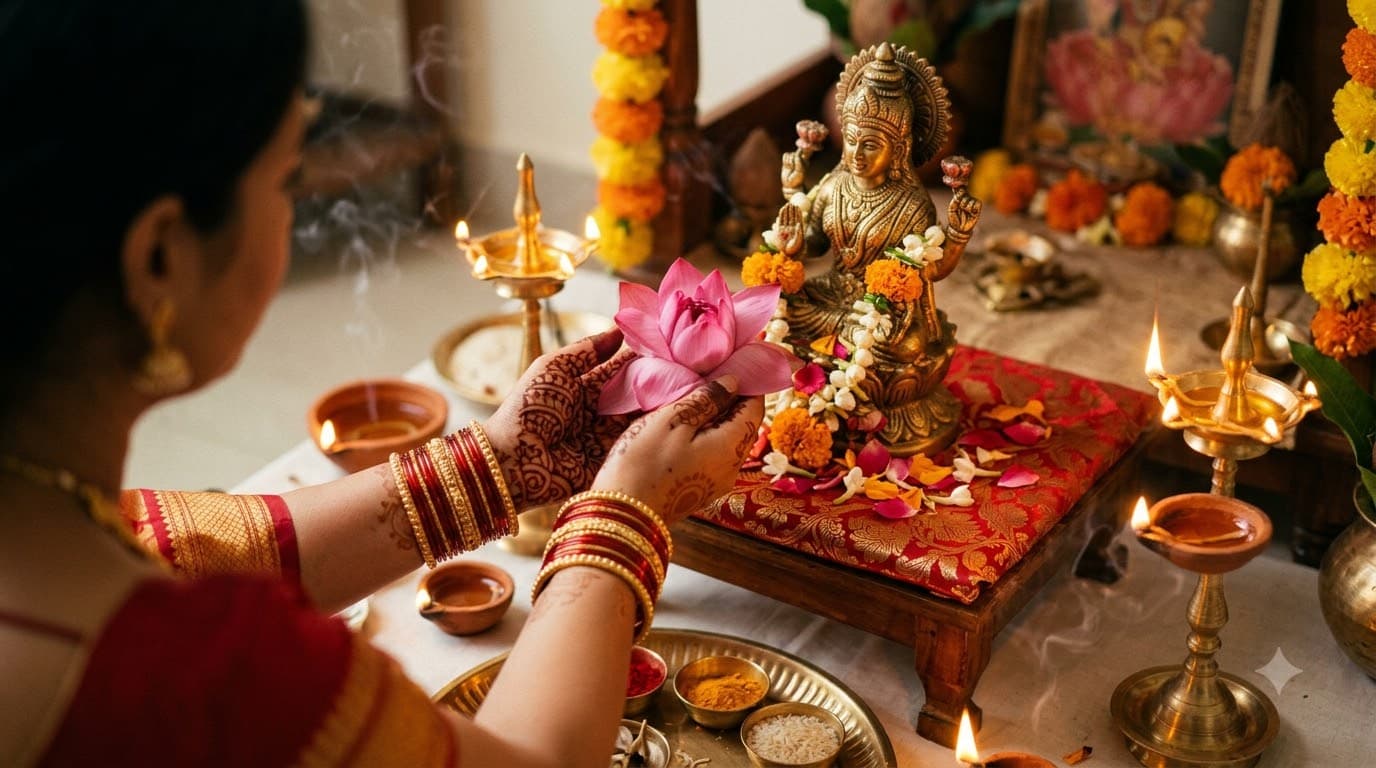
There’s a particular kind of glow to a Telugu home on a Shravana Tuesday. A young bride — married only months ago — wakes before the household, bathes, and dresses the way she did on her wedding day: silk saree, bangles to the elbow, fresh flowers in her hair, kumkuma bright on her forehead. She is getting ready not to go anywhere, but to sit before Goddess Gauri and ask her for one thing — a long, happy, unbroken married life.
Mangala Gauri Vratam 2026 at a Glance
- Vratam: Sravana Mangala Gauri Vratam (Mangala Gauri Puja)
- Goddess: Gauri Devi (Parvati) — the consort of Lord Shiva
- Who observes it: married women, especially newlyweds (traditionally in the first five years of marriage)
- When: every Tuesday (Mangalavaram) of Shravana Masam
- 2026 dates (Telugu Amanta panchangam — Telangana & Andhra Pradesh): 18 August, 25 August, 1 September & 8 September
- Prayed for: marital bliss (saubhagyam), the long life and health of the husband, children and family harmony
- Mantra: Om Mangala Gauryai Namah
What Is Mangala Gauri Vratam?
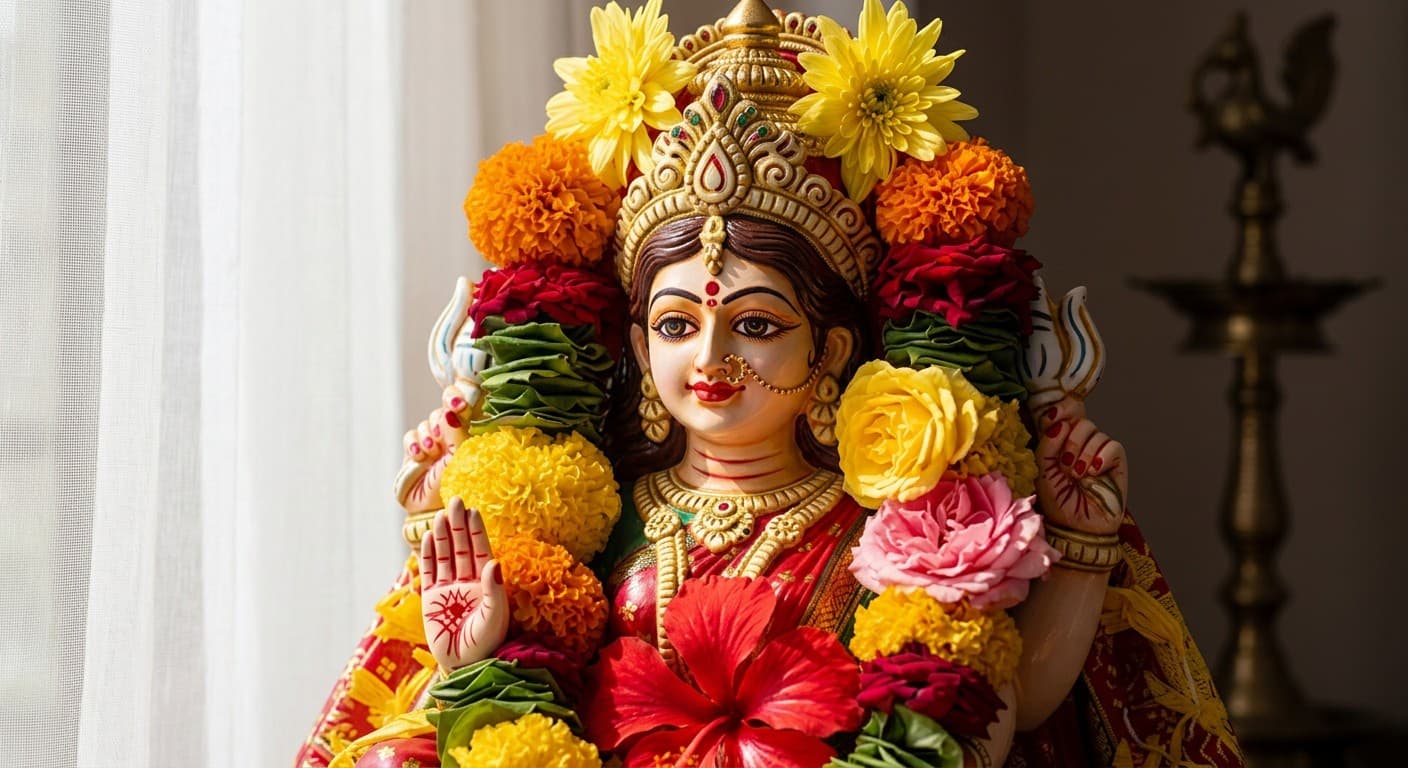
Shravana Masam belongs to Lord Shiva — but it belongs just as much to his Goddess. Each Tuesday of the month is Gauri’s day, and on it married women keep the Mangala Gauri Vratam: a vow (vratam) of fasting, worship and devotion offered to Gauri Devi, the gentle, golden form of Parvati who is the very ideal of a devoted wife.
The prayer at the heart of it is simple and tender. A woman asks Gauri — who won Shiva himself through her love and penance — to bless her own marriage in the same way: with saubhagyam, the lifelong good fortune of a happy union, the wellbeing and long life of her husband, healthy children, and harmony in her new home. For a young bride stepping into married life, it’s both a prayer and a quiet promise to nurture that life with patience and love.
Mangala Gauri Vratam 2026 Dates
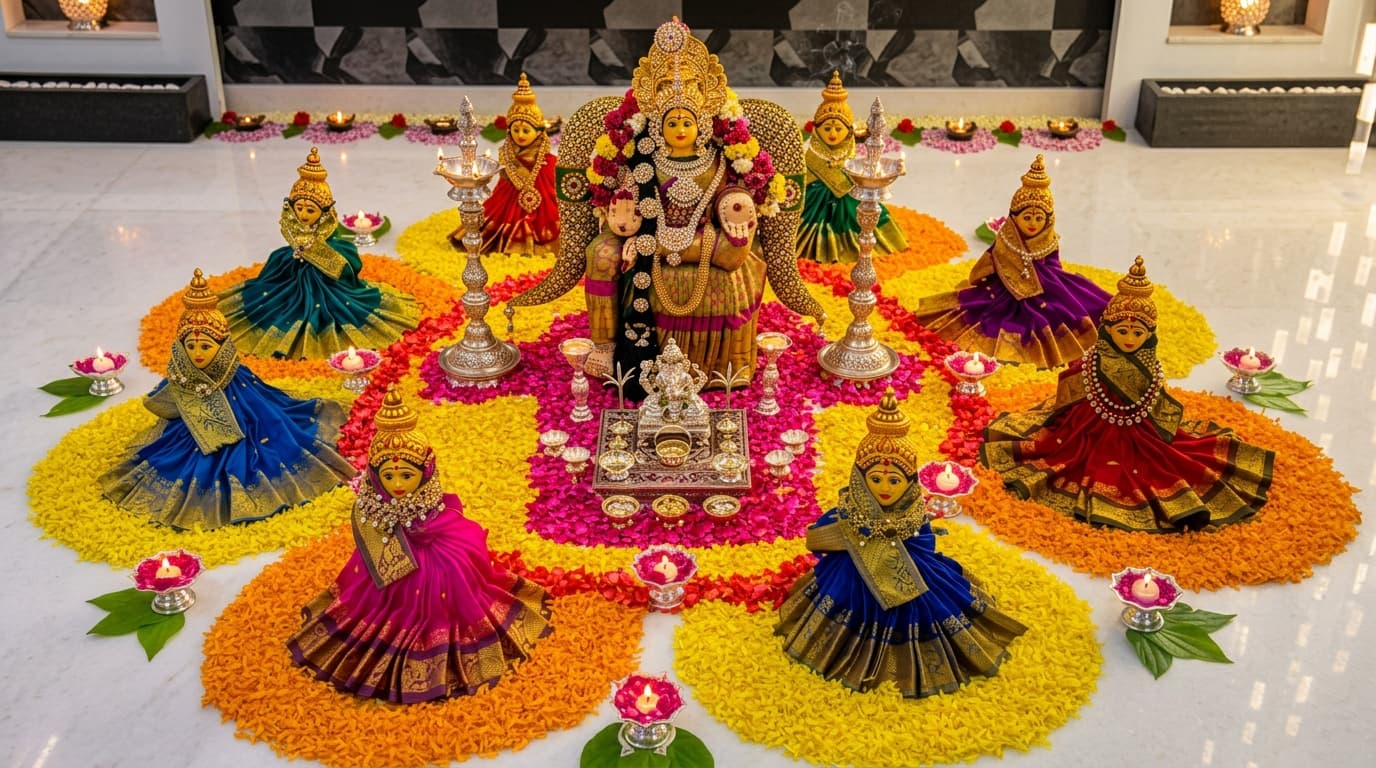
These dates follow the Telugu (Amanta / Amavasyanta) panchangam observed in Telangana and Andhra Pradesh, in which Shravana Masam 2026 runs from 13 August to 11 September (Shravana Suddha Padyami to Shravana Amavasya). The Tuesdays of that month — and so the Mangala Gauri Vratam days — fall on:
- Tuesday, 18 August 2026
- Tuesday, 25 August 2026
- Tuesday, 1 September 2026
- Tuesday, 8 September 2026
Which panchangam are these from? This matters, because you’ll see different dates elsewhere. The four Tuesdays above are for the Telugu Amanta calendar used across Telangana and Andhra Pradesh (verified against the Telugu panchangam for Hyderabad). North Indian Purnimanta calendars place Sawan earlier, so their Mangala Gauri Tuesdays are 4, 11, 18 and 25 August 2026 — those are not the Telangana dates. Because each tithi is reckoned from local sunrise, always confirm the exact day with your local Telugu panchangam or your pandit, especially if you’re observing abroad.
Who Observes the Vratam — and Why
Mangala Gauri Vratam is kept by women, and most especially by newlyweds. By long custom, a bride begins the vow on the Shravana Tuesdays after her wedding and observes it for the first five years of married life. Many take a sankalpam (vow) to keep it for sixteen Tuesdays in all, completing the cycle with a formal ceremony called Udyapanam.
The reasons are heartfelt: married women keep it for the long life and health of their husbands and for an unbroken, happy union; some unmarried girls observe a Gauri vow too, praying for a good and loving life partner. Underneath the rituals, it’s a disciplined, devotional way of nurturing love, patience and responsibility in the early years of marriage.
The Story — Mangala Gauri Vrat Katha
Every vratam carries a story, and this one is about the power of a mother’s devotion.
Long ago, a wealthy merchant named Dharmapala and his wife were blessed, after much prayer, with a son — but the child carried a terrible fate: he was destined to die of snakebite before he turned sixteen. Helpless against destiny, the parents arranged his marriage before that age to a virtuous young woman. And here the story turns: the bride’s mother had observed the Mangala Gauri Vratam faithfully all her life. By the merit of that devotion, her daughter was blessed with unshakeable marital good fortune — and through it, the young man was spared. His life was extended, the danger of the snakebite averted.
The lesson the elders draw from it is gentle and generous: a sincere vow, kept with devotion, protects not only the woman who keeps it but the whole family she becomes part of — and that grace can soften even the hardest turns of fate.
How to Perform the Mangala Gauri Vratam (Puja Vidhi)
The vratam is observed at home, and the heart of it is simple devotion. A common way to keep it:
- Wake early and bathe, then dress as a sumangali — a married woman in all her finery: silk saree, bangles, flowers, pasupu-kumkuma.
- Prepare the puja space. Clean a spot and spread a fresh white cloth on a chowki (low wooden plank); set a kalasham (sacred pot) and the image or idol of Mangala Gauri, often shaped from turmeric.
- Begin with Ganesha. Invoke Lord Ganesha first to remove obstacles, then perform the avahana (invocation) of Gauri Devi.
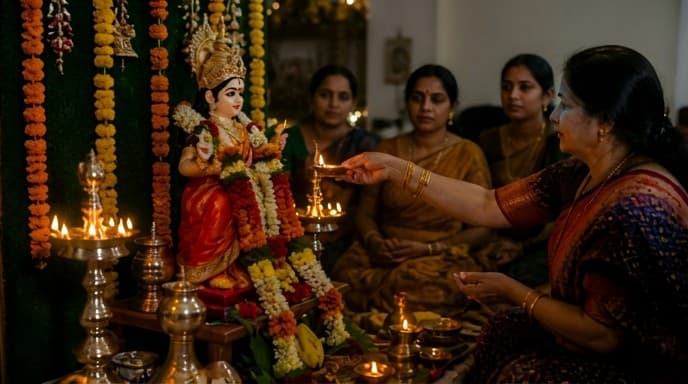
- Worship Gauri with the sixteen-step shodashopachara — bathing the idol, dressing it, and offering pasupu-kumkuma, flowers, akshintalu, dhupa and deepam.
- Offer the sixteen. Sixteen is the sacred number of this vow: sixteen flowers, fruits, bangles, betel leaves and so on, and a naivedyam of sixteen sweets such as vundrallu, laddu or payasam.
- Read the Mangala Gauri Vrat Katha (the story above), then perform the aarti, chanting Om Mangala Gauryai Namah.
- Honour the muttaiduvalu. Offer tamboolam (vayanam) — betel, fruit, kumkuma and gifts — to married women, and seek the blessings of elders and your mother-in-law.
Through the day, many women keep a fast, taking only fruit and light, simple satvik food, and breaking it after the evening puja — but it’s always meant to be observed within your own comfort and health. The mood of the vratam is calm, clean and devotional, not severe.
Udyapanam — Completing the Vow
A woman who has taken the sankalpam to keep the vratam for sixteen Tuesdays completes it with Udyapanam, a formal closing ceremony usually performed in the fifth year. Gauri is worshipped in full sixteen-fold adornment, a small pavilion of banana stems is raised around the chowki, a homam is offered with the help of priests, and sixteen wheat-flour laddus along with a saree and gifts are offered — often at the feet of the mother-in-law — as the vow is gratefully concluded.
What the Vratam Gives Back
Beyond the blessings it asks for, the Mangala Gauri Vratam has a quiet wisdom of its own. It gathers the women of the family together week after week; it gives a new bride a steady, devotional rhythm in an unfamiliar home; and it turns the hopes of early marriage — for health, harmony and belonging — into something she can hold and act upon. Faith and family, moving together, just as Shravana intends.
Book a Pandit for Mangala Gauri Vratam with Divine Center
If you’d like to keep the vratam with the full traditional vidhi — or perform your Udyapanam — Divine Center, based in Hyderabad, connects you with experienced, verified, Telugu-speaking pandits, with complete samagri guidance, clear pricing, and the choice of an at-home or online puja. We also arrange NRI pujas for brides keeping the tradition alive far from home.
References & Further Reading
- Telugu Calendar 2026 — Shravana Masam (Hyderabad, Telangana) — the Telugu Amanta panchangam confirming Shravana Masam 2026 as 13 August–11 September.
- Mangala Gauri Vrat Dates — Drik Panchang — authoritative tithi-based dates for the vow.
- Mangala Gowri Vratam — Hindu Blog — a clear overview of the South Indian observance and its meaning.
Final Thoughts
Mangala Gauri Vratam is Shravana at its most intimate — not a grand temple festival, but a young woman, freshly married, sitting before the Goddess on a quiet Tuesday morning and asking, simply, to be happy. Whether you’re keeping it for the first time this year or helping a new bride in the family begin, may Gauri Devi bless your home with saubhagyam — the long, gentle, unbroken good fortune the vow is named for. Shubham.
Frequently Asked Questions
What are the Mangala Gauri Vratam 2026 dates?
In the Telugu (Amanta) panchangam followed in Telangana and Andhra Pradesh — where Shravana Masam 2026 runs 13 August to 11 September — the vratam falls on the Tuesdays: 18 August, 25 August, 1 September and 8 September. North Indian (Purnimanta) calendars place it earlier, on 4, 11, 18 and 25 August 2026. Always confirm the exact day with your local Telugu panchangam.
Who should observe Mangala Gauri Vratam?
It is observed by married women, especially newlyweds, traditionally in the first five years of marriage. Many keep it for sixteen Tuesdays in all and complete it with Udyapanam. Some unmarried girls also keep a Gauri vow praying for a good life partner.
Why is Mangala Gauri Vratam observed?
It is kept to seek Goddess Gauri’s blessings for marital bliss (saubhagyam), the long life and good health of the husband, children, and harmony in the household — modelled on Parvati’s own devotion to Lord Shiva.
How is the puja performed?
After an early bath, the woman dresses as a sumangali and worships Mangala Gauri on a decorated chowki with a kalasham — beginning with Ganesha, then the shodashopachara puja, offerings of sixteen items, the Vrat Katha, aarti, and tamboolam (vayanam) to married women.
Is there a fast, and what can you eat?
Many women keep a fast, taking only fruit and light satvik food and breaking it after the evening puja. It should always be observed within your own comfort and health; the vratam is meant to be calm and devotional, not severe.
What is the mantra for Mangala Gauri Vratam?
The simple mantra is Om Mangala Gauryai Namah, chanted during the puja and aarti.
What is the Mangala Gauri Vrat Katha?
It tells of the merchant Dharmapala, whose son was fated to die young of snakebite but was saved because his bride’s mother had faithfully kept the Mangala Gauri Vratam — illustrating how the vow protects the whole family
What is Udyapanam?
Udyapanam is the formal completion of the vow, usually in the fifth year, after sixteen Tuesdays. Gauri is worshipped in full adornment with a homam, and sixteen laddus, a saree and gifts are offered, often to the mother-in-law.