Karthika Pournami 2026 Guide
By Divine center ·
Karthika Pournami 2026 falls on November 24. Discover why it's celebrated, the Tripurasura legend, exact tithi timings, Kedareswara Vratam, and how Telangana observes Karthika Masam.
Karthika Pournami 2026
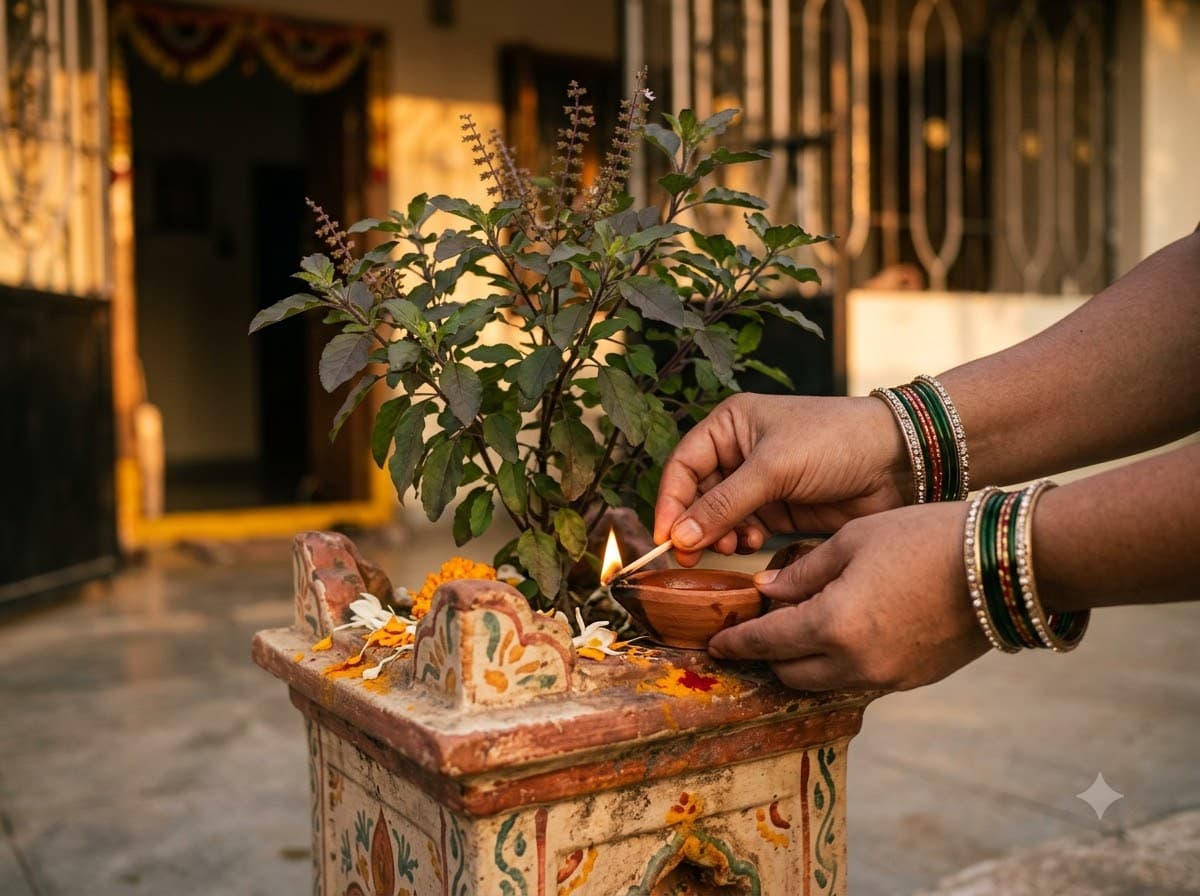
Karthika Pournami is the full-moon night that closes Karthika Masam — the most sacred month in the Telugu Hindu calendar. At Divine Center, we see it as more than a single festival day: it's the culmination of thirty days of quiet devotion, one lamp lit every evening, building toward a night when every household's small flame joins the temple's great one.
1. What Is Karthika Pournami?
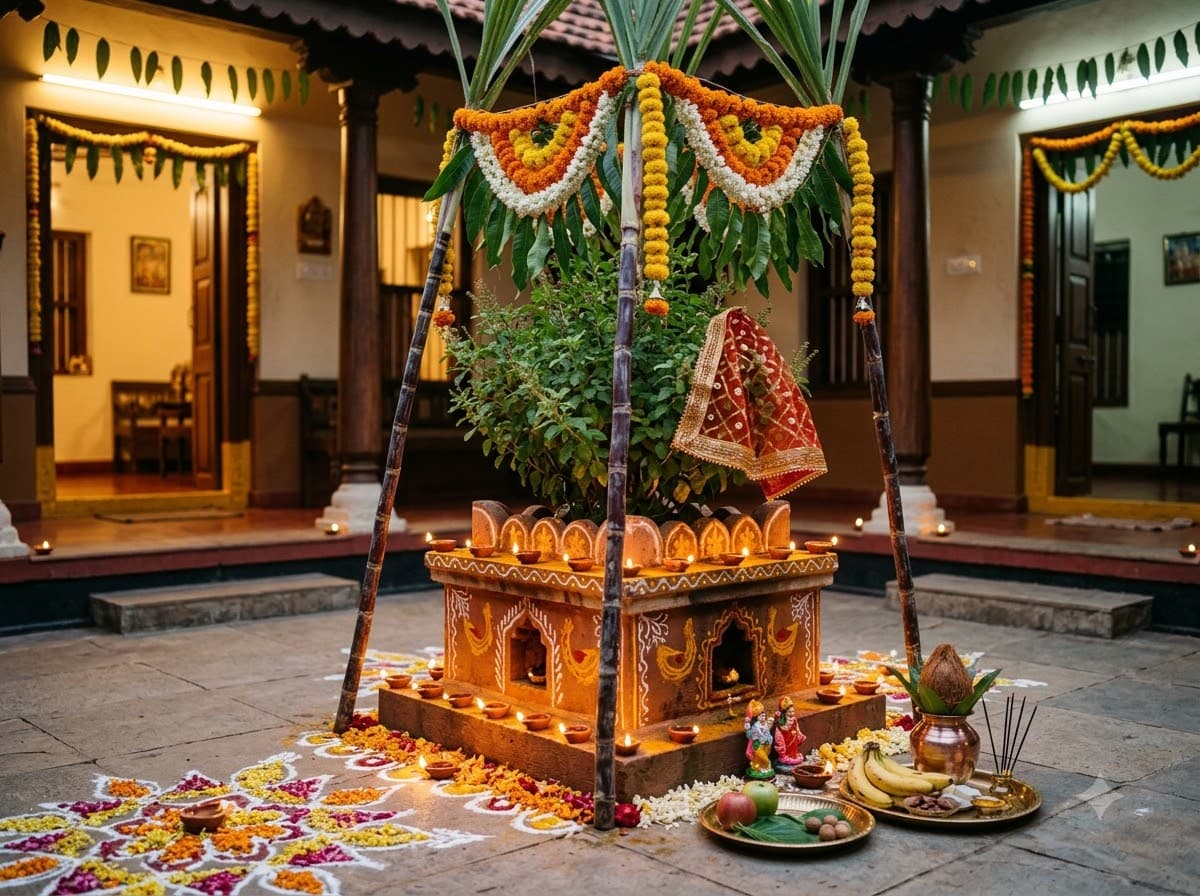
Karthika Pournami is the full-moon (Purnima) day of Karthika Masam, observed in the Telugu (Amanta) lunar month of Karthika, which typically falls across October–November in the Gregorian calendar.
In 2026, Karthika Pournami falls on Tuesday, November 24, 2026, closing a month that begins around Deepavali in early November.
It's also known by several other names — Kartika Purnima, Tripuri Purnima, and Deva Deepavali — and honors Lord Shiva (for his victory over the demon Tripurasura), Lord Vishnu (associated with the Matsya avatar), and Tulasi Devi, all in the same night.
Did You Know?
Karthika Pournami is also called Deva Deepavali — the “Diwali of the Gods” — because tradition holds that the devas themselves lit lamps in the heavens to celebrate Shiva's victory over Tripurasura.
2. Why Is Karthika Pournami Celebrated? The Legend of Shiva and Tripurasura
Tradition holds that three demon brothers, collectively called Tripurasura, grew so powerful through penance that they built three flying cities of gold, silver, and iron, using them to terrorise the three worlds. Unable to defeat them, the devas turned to Lord Shiva.
Shiva is said to have mounted a chariot built from the universe itself — the earth as its base, the sun and moon as its wheels, Brahma as its charioteer — and destroyed all three cities with a single arrow, on the full-moon night of the Karthika month.
This victory is what Karthika Pournami commemorates — light overcoming darkness, on the night the devas are said to have celebrated by lighting lamps of their own.
Myth vs Fact
| Myth | Fact |
| Karthika Pournami and Karthika Deepam are the exact same festival | Karthika Deepam is the broader South Indian festival of lamps observed through the whole month, especially in Tamil Nadu; Karthika Pournami is specifically the culminating full-moon night |
| The “magnetic river water” claim during Karthika Masam baths is scientifically proven | This is a popular folk belief without established scientific backing — the genuine benefit is simply an early, brisk start to the day |
| Only Lord Shiva is worshipped on Karthika Pournami | The day honors Shiva (Tripurasura Samharam), Vishnu (Matsya avatar), and Tulasi Devi together — one of the rare Hari-Hara worship days in the calendar |
These accounts are drawn from Puranic tradition and passed down through generations, not verified historical events — we present them here as sacred story, the way most Telugu families do, not as documented history.
3. When Is Karthika Pournami in 2026? (Exact Date & Panchangam Details)
Karthika Pournami falls on Tuesday, November 24, 2026, according to the Telugu (Amanta) panchangam followed in Telangana and Andhra Pradesh, where the lunar month runs from new moon to new moon.
Exact tithi timings: The Purnima tithi begins on Monday, November 23, 2026 at approximately 11:42 PM, and runs through to Tuesday, November 24, 2026 at approximately 8:23 PM IST. Because sunrise on the 24th falls well inside this window, the 24th is the day observed for Kartika Snanam, the vratam, and all daytime rituals, under the Udaya Tithi (sunrise) rule Telangana panchangams follow.
This timing matters for evening worship too: Pradosha Kala (the twilight window around sunset) on November 24 falls comfortably within the Purnima tithi, which is why temple Deeparadhana and the household Akasha Deepam are lit that evening. Nishita Kala (the midnight window) on the night of November 23–24 also falls within the tithi, since it begins at 11:42 PM on the 23rd — this is why some temples and older households additionally do a midnight deeparadhana the night before, alongside the main observance on the evening of the 24th.
Panchangam Note: A few generic calendars list this year's Kartika Purnima as November 23 instead — most likely because they're keying off when the tithi begins rather than the sunrise it governs. Under the Udaya Tithi convention, November 24 is correct. As always, exact tithi-crossover minutes shift slightly city to city, so confirm the precise Pradosha and Nishita Kala windows with a Hyderabad-set panchangam or your family pandit before finalising puja timing.
Karthika Masam Timeline 2026
| Milestone | 2026 Date | Significance |
| Karthika Masam begins (Karthika Shukla Padyami) | Day after Deepavali Amavasya | Daily deepam-lighting begins at the tulasi kota and doorway |
| Nagula Chavithi | Thu, Nov 12 | Snake-worship day observed widely across Telangana and Andhra homes |
| Ksheerabdi Dwadasi | Sun, Nov 22 | Tulasi Kalyanam — the ceremonial wedding of Tulasi Devi to Lord Vishnu |
| Karthika Pournami (Main Day) | Tue, Nov 24 | Kartika Snanam, Kedareswara Vratam, 365-wick Akasha Deepam, Vanabhojanam |
4. Where Is Karthika Pournami Celebrated?
Telangana and Andhra Pradesh are the heart of Karthika Pournami observance — nearly every home lights a deepam, and temples across both states see their biggest Deeparadhana crowds of the year. But the month's customs extend well beyond the home altar.
Around Hyderabad:
- Temples such as Keesaragutta, with its Shiva shrine, see large numbers of families arrive for Vanabhojanam (forest meals under an usiri/amla tree) on weekends through the month.
- Further out, temples like Yadagirigutta and Vemulawada Sri Raja Rajeswara Swamy temple see a marked rise in footfall through Karthika Masam, as devotees combine temple visits with a family outing.
Quick Tip: If you can't reach a temple on Pournami night itself, the household Akasha Deepam lit at your own tulasi kota or doorway carries the same significance — the temple visit is customary, not compulsory.
5. Spiritual Significance of Karthika Pournami
Beyond the lamps and the legend, Karthika Pournami carries a few deeper threads worth sitting with.
- Light over darkness: The Tripurasura legend, like most Karthika Masam stories, frames the month as a sustained turning toward light — literally, one lamp at a time.
- Hari-Hara unity: Karthika Masam is one of the few periods in the Hindu calendar where Shiva and Vishnu worship sit side by side with equal weight, a reminder that the two traditions are seen as complementary rather than competing.
- Gratitude and restraint: The month's simple, single-meal fasting (Nakta Bhojanam) and abstention from non-vegetarian food are treated as a quiet discipline — not punishment, but a deliberate simplifying of daily life.
- Reverence for Tulasi Devi: The month's dedication to Tulasi, culminating in her ceremonial wedding at Ksheerabdi Dwadasi, reflects a broader Hindu tradition of treating everyday plants and objects as worthy of devotion.
Many families use this period to visit temples, offer prayers of gratitude, and seek guidance for the year ahead — a practice Divine Center supports through personalized Puja and temple ritual guidance for festival occasions.
6. How to Celebrate Karthika Pournami at Home
You don't need a temple nearby to observe Karthika Pournami meaningfully. Here's a simple, practical approach:
- Wake before sunrise for Kartika Snanam — a bath at brahmi muhurtham, ideally with a prayer invoking the Ganga into the water if a river or tank isn't nearby.
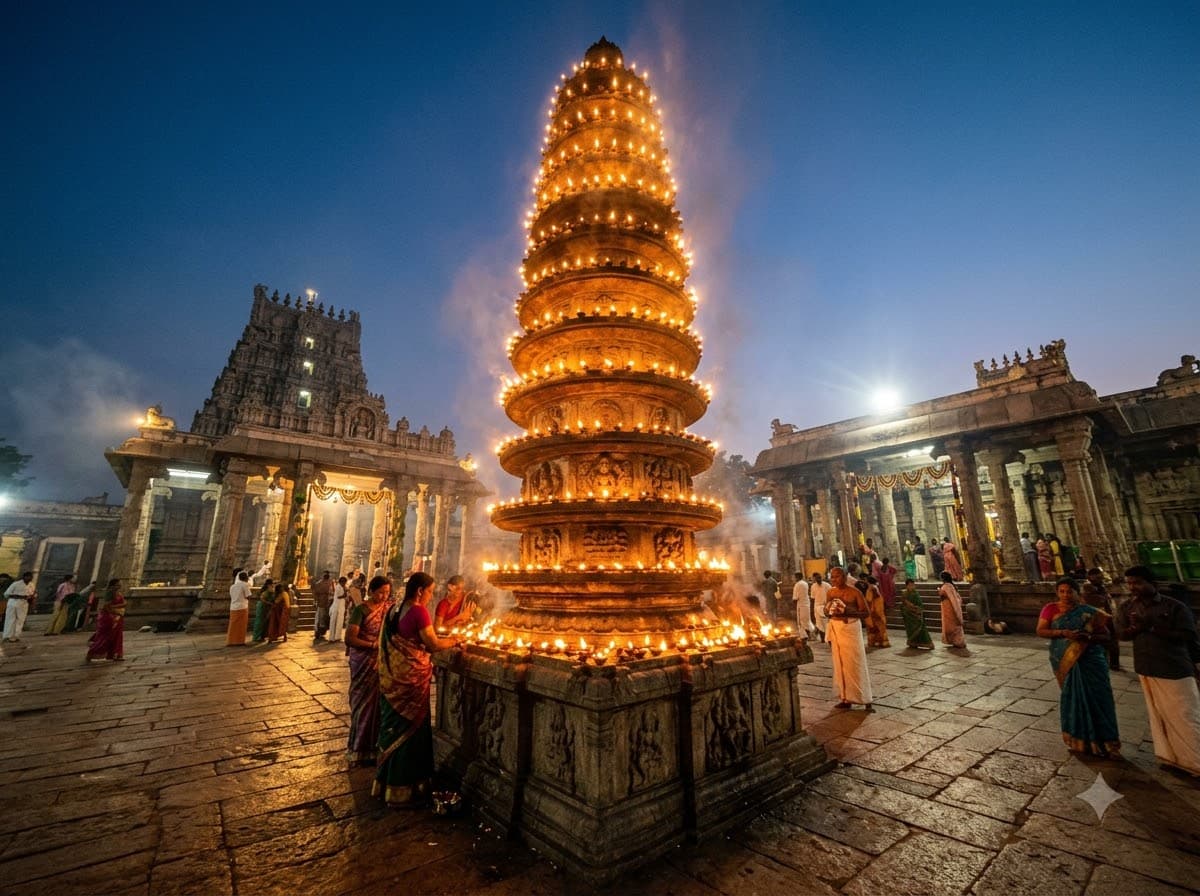
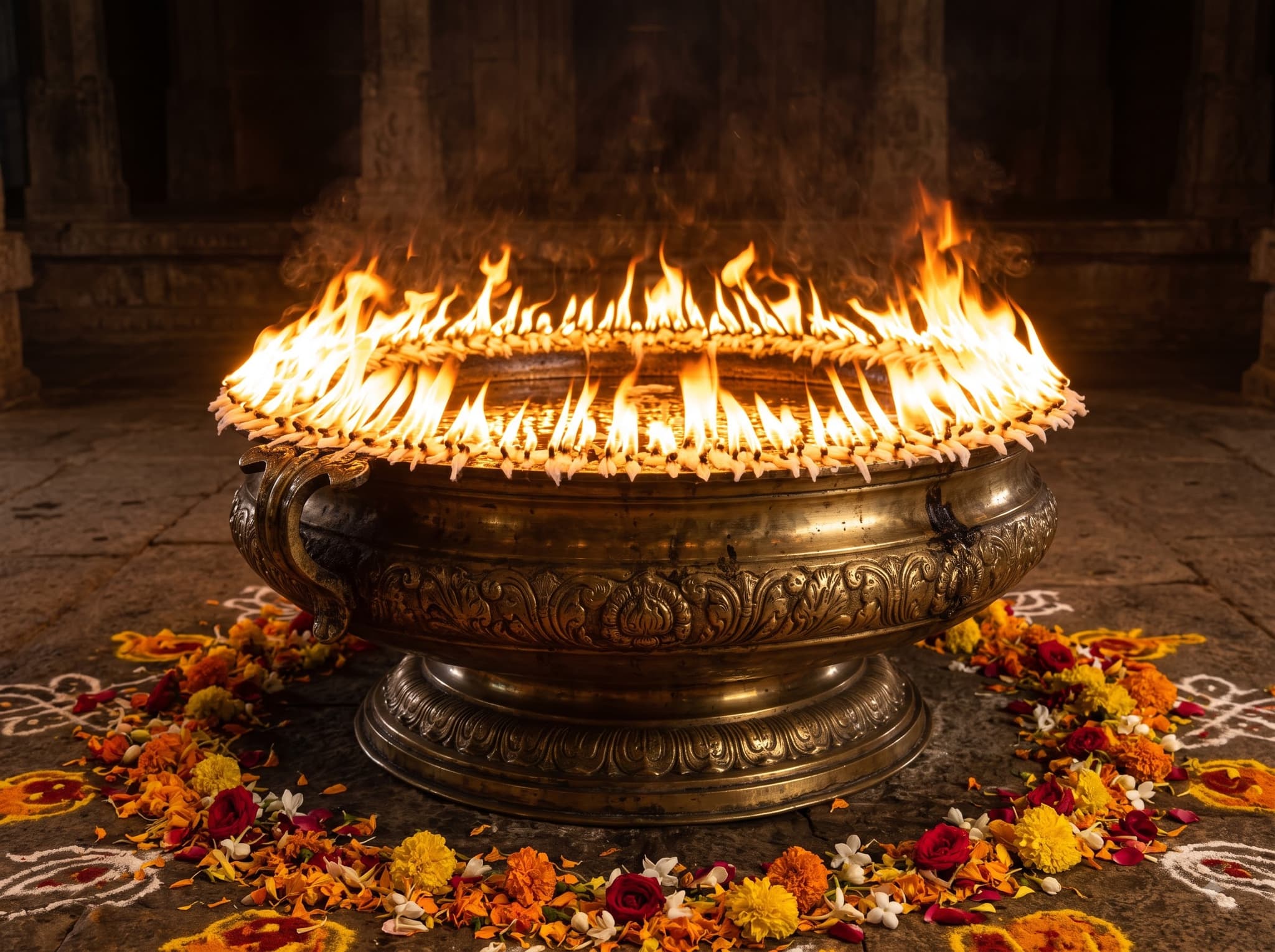
- Light the Akasha Deepam — a large lamp with 365 (or 360) cotton wicks, one for every day of the year, lit at dusk at home or carried to the nearest Shiva temple.
- Perform Kedareswara Vratam — worship of Shiva and Parvati together, traditionally with a sacred 108-knot thread tied around the wrist after the puja.
- Do a Tulasi puja — a more elaborate offering at the tulasi kota than on an ordinary day.
- Read or listen to the Karthika Puranam — even a short passage is considered meaningful if the full month's reading wasn't possible.
- Keep the meal simple — a single vegetarian meal (Nakta Bhojanam), skipping onion and garlic if you're observing the month's discipline.
- Gather for Vanabhojanam if you can — even a small family picnic outdoors echoes the tradition, whether or not an usiri tree is nearby.
Quick Tip: If you can't observe the whole month's discipline, the pre-dawn bath, the evening Akasha Deepam, and a short Tulasi puja on Pournami night itself are the three elements most families treat as non-negotiable.
7. Major Karthika Pournami Traditions
| Tradition | What It Is |
| Akasha Deepam | A 365-wick lamp lit at dusk on Pournami night, at home and at the temple's deepa stambham |
| Vanabhojanam | A family meal eaten outdoors, traditionally under a sacred usiri (amla) tree |
| Kedareswara Vratam | Shiva-Parvati puja performed with a sacred 108-knot thread, usually on Pournami day |
| Ksheerabdi Dwadasi / Tulasi Kalyanam | The ceremonial wedding of Tulasi Devi to Lord Vishnu, two days before Pournami |
| Nakta Bhojanam | Single daily meal observed through Karthika Masam as a fasting discipline |
8. Karthika Pournami Rituals
- Kartika Snanam — the pre-dawn bath, considered the most auspicious hour of the entire month.
- Kedareswara Vratam — Shiva-Parvati worship with the 108-knot sacred thread, often performed at home with a pandit present.
- 365-wick Akasha Deepam — prepared at home and carried to the nearest Shiva temple to be lit alongside the temple's own deepa stambham.
- Tulasi puja — an elaborate offering at the tulasi kota, sometimes with a small lamp placed among the leaves.
- Temple visit and Deeparadhana — many families time their visit for dusk, when the temple's own lamp display is at its peak.
9. Do's and Don'ts During Karthika Masam
Do's
- Do light a deepam every evening through the month, even a single small lamp.
- Do confirm Pournami's exact Pradosha and Nishita Kala timings with a Hyderabad-set panchangam if you're planning a specific puja hour.
- Do keep meals simple and vegetarian if you're observing the month's discipline.
- Do treat Ksheerabdi Dwadasi (Tulasi Kalyanam) as its own milestone, not a rehearsal for Pournami.
Don'ts
- Don't treat the popular “magnetic water” claim about Karthika Masam baths as established science — it's folk belief, not fact.
- Don't assume every calendar agrees on the exact date — tithi timings can shift a day between panchangams.
- Don't skip the spiritual/gratitude side of the month in favor of only the social Vanabhojanam outing.
- Don't invent or embellish local temple legends where documented history is thin — tradition as practised today is reason enough.
10. Interesting Facts About Karthika Pournami
- Karthika Pournami is also called Deva Deepavali — tradition holds the devas lit heavenly lamps to mark Shiva's victory.
- The 365-wick lamp lit on this night represents one wick for every day of the coming year.
- Karthika Masam is one of the few months in the Hindu calendar centered on Hari-Hara (Shiva-Vishnu) worship together.
- Many Ayyappa devotees begin their 41-day Sabarimala deeksha within this month, continuing through to Makara Sankranti.
- This same full-moon day is also observed by Sikhs as Guru Nanak Jayanti, Guru Nanak's birth anniversary — a coincidence of the lunar calendar rather than a shared tradition.
6. CONCLUSION
Karthika Pournami is really the story of a month told through small, repeated acts — one lamp, every evening, for thirty days — building toward a single night when every household's little flame joins the temple's great one. However you observe it, whether the full month's vratam or simply lighting one deepam with your family on Pournami night, may this Karthika Masam bring your home warmth, health, and peace. Shubhamastu.
At Divine Center, we help you carry these traditions forward with authenticity — through guided pujas, temple rituals, and spiritual consultations rooted in genuine Hindu practice.
Contact Us
Ready to observe Karthika Pournami with an experienced, Telugu-speaking pandit at home? Talk to Our Priest | Book Kedareswara Vratam | Contact Divine Center
Frequently Asked Questions
Q1. What is Karthika Pournami and why is it celebrated?
Karthika Pournami is the full-moon day closing Karthika Masam, the most sacred month in the Telugu Hindu calendar. It commemorates Lord Shiva's victory over the demon Tripurasura and is marked by lamp-lighting, fasting, and temple visits across Telangana and Andhra Pradesh.
Q2. When is Karthika Pournami in 2026?
It falls on Tuesday, November 24, 2026, per the Telangana-set Telugu panchangam. A few generic calendars show November 23 instead, so it's worth confirming with a local pandit or a Hyderabad-set panchangam closer to the date.
Q3. Is Karthika Pournami the same as Karthika Deepam?
They're closely related but not identical. Karthika Deepam is the broader South Indian festival of lamps observed through the month, especially prominent in Tamil Nadu; Karthika Pournami is specifically the culminating full-moon night, which is when Telugu households light their largest deepam of the month.
Q4. What is Kedareswara Vratam and is it done on this day?
Kedareswara Vratam is a puja to Shiva and Parvati together, traditionally performed with a sacred 108-knot thread tied around the wrist. Many Telugu families specifically schedule it for Karthika Pournami, though it can also be performed on other days within the month.
Q5. Why do people avoid non-vegetarian food during Karthika Masam?
It's considered a month of heightened spiritual observance dedicated to Shiva, Vishnu, and Tulasi Devi, and abstaining from meat (and often onion and garlic) is treated as part of the month's discipline, similar in spirit to other vrata months in the Hindu calendar.
Q6. Can I observe just Karthika Pournami without doing the whole month?
Yes — many people who can't commit to the full month's Nakta Bhojanam and daily deepam still observe the pre-dawn bath, evening Akasha Deepam, and a Kedareswara Vratam or temple visit on Pournami day itself. Partial observance is common and considered meaningful.
Q7. What is Vanabhojanam and why is it linked to this month?
Vanabhojanam means a meal eaten in a forest or garden setting, traditionally under an usiri (amla) tree, which is considered especially sacred during Karthika Masam. It's one of the month's most popular family customs around Hyderabad, particularly at temples like Keesaragutta.
Q8. Is the claim about “magnetic” river water during Karthika Masam scientifically true?
No — this is a popular folk belief without scientific backing. The genuine benefit of the tradition is simply the effect of an early-morning bath and brisk start to the day, which is good practice on any date, not something unique to this month's water.
Q9. What is Ksheerabdi Dwadasi and how is it different from Pournami?
Ksheerabdi Dwadasi (also called Chiluka Dwadasi) falls two days before Pournami — November 22, 2026 this year — and is the day of Tulasi Kalyanam, the ceremonial wedding of Tulasi Devi to Lord Vishnu. It's a distinct, earlier milestone in Karthika Masam, not the same observance as Pournami itself.
Q10. Do I need a pandit for Karthika Pournami rituals?
A pandit isn't strictly required for the basic lamp-lighting and bath, which most families do themselves. For Kedareswara Vratam or a full Karthika Puranam parayanam with sankalpam, most households do prefer a pandit to guide the correct sequence of mantras and rituals.