Varalakshmi Vratam: The Ultimate Guide to Invoking Goddess Lakshmi’s Blessings
By Divine Center ·
Discover the complete guide to Varalakshmi Vratam 2026. Learn the ancient history of Charumati, master the Shodashopachara Puja rituals, and find the most auspicious Muhurat to invite the Ashta Lakshmis into your home for eternal prosperity and family well-being.
Spiritual Significance & History of Varalakshmi Vratam Across India
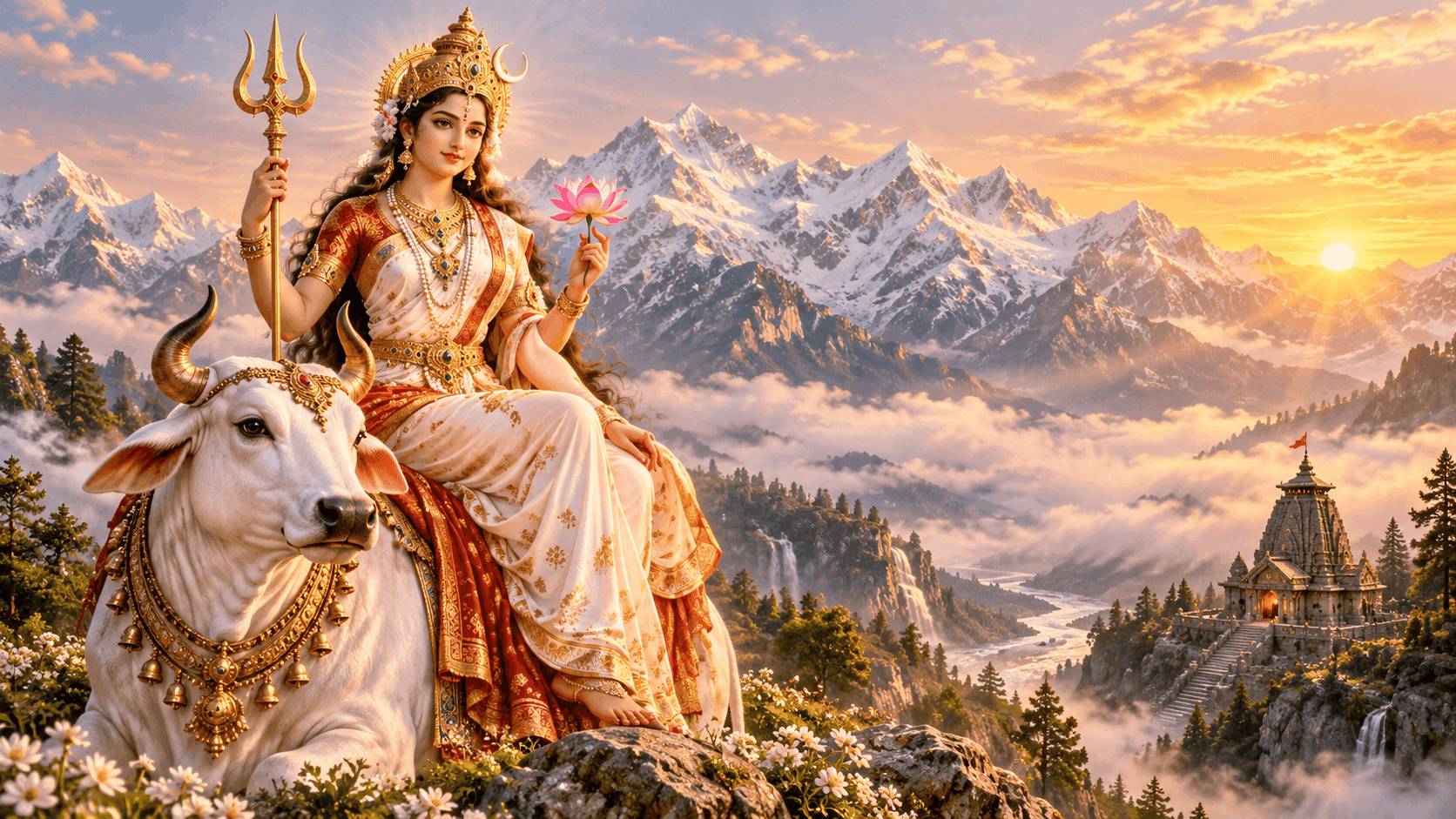
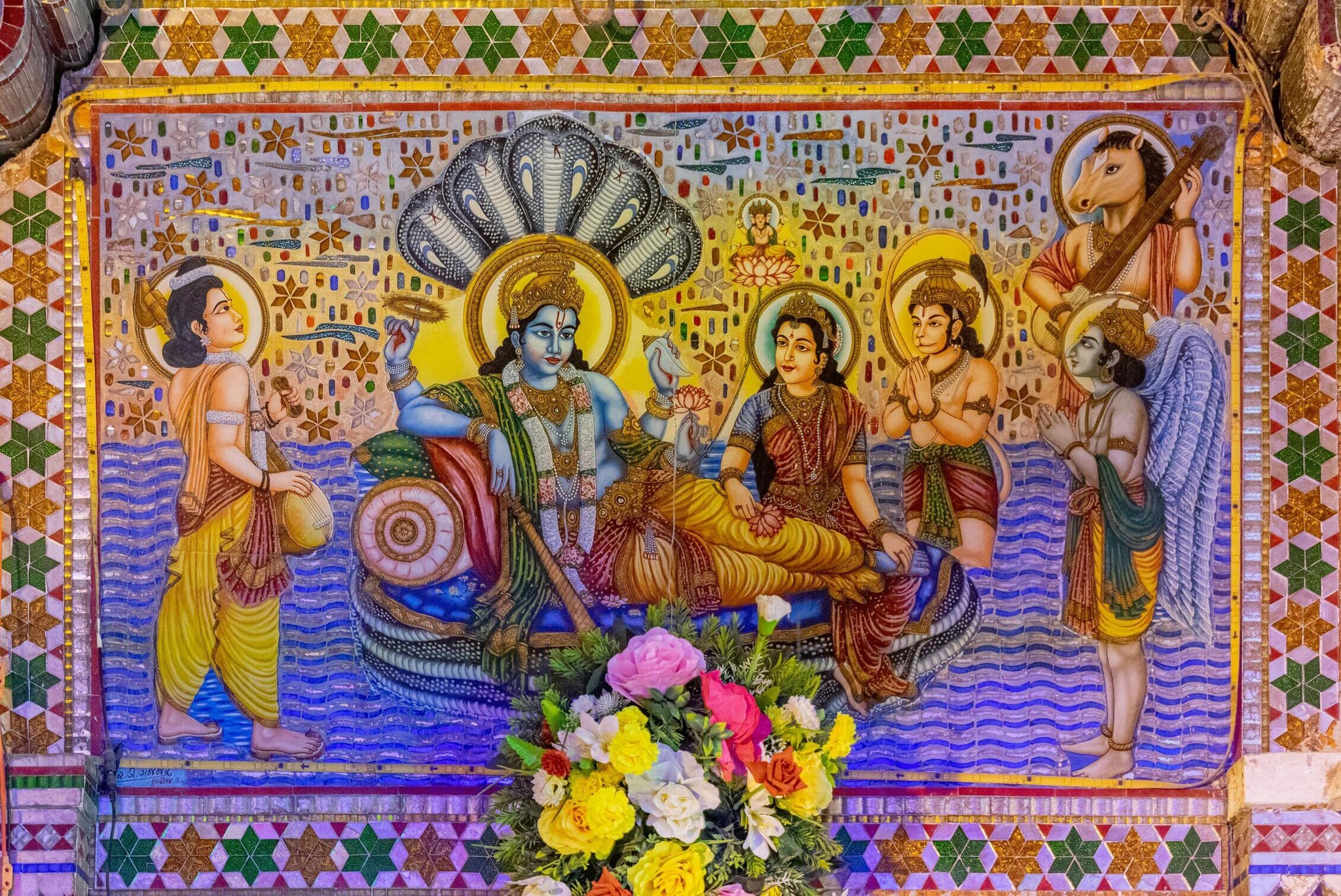
Varalakshmi Vratam is a sacred festival dedicated to Goddess Lakshmi, worshipped as the giver of prosperity and blessings. The name combines “Vara” (boon) and “Lakshmi,” symbolizing the goddess who grants wishes. Observed mainly by married women for the well-being of their families, it is performed on the Friday before the Shravana full moon. Its origin comes from the Skanda Purana story of Charumati, a devoted woman who was guided by Lakshmi in a dream to perform this puja and was blessed with wealth and prosperity. The vratam represents devotion, righteousness, and the worship of the eight forms of Lakshmi, making it a holistic prayer for happiness, health, and abundance.
Precise Muhurat & Step-by-Step Rituals
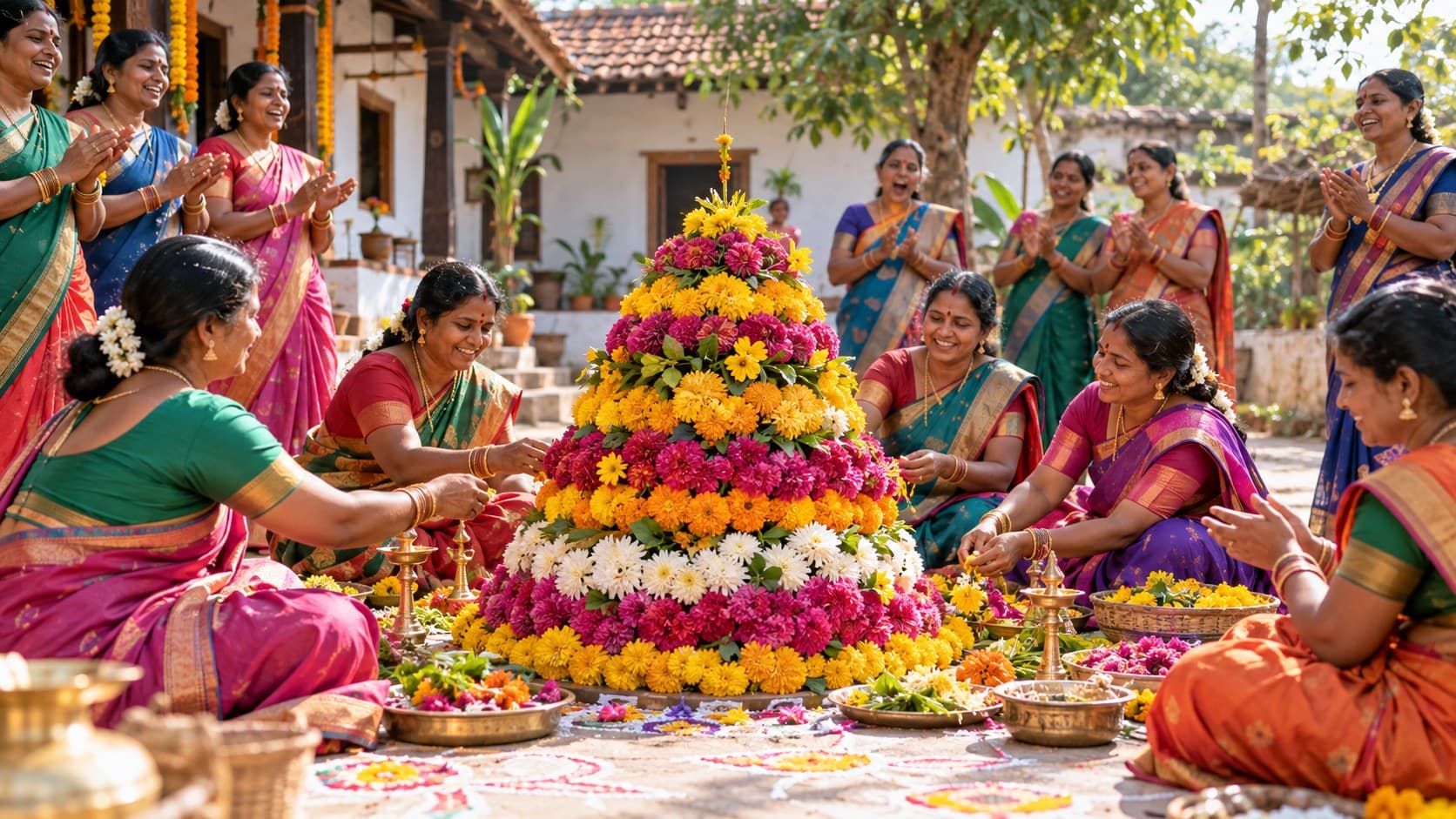
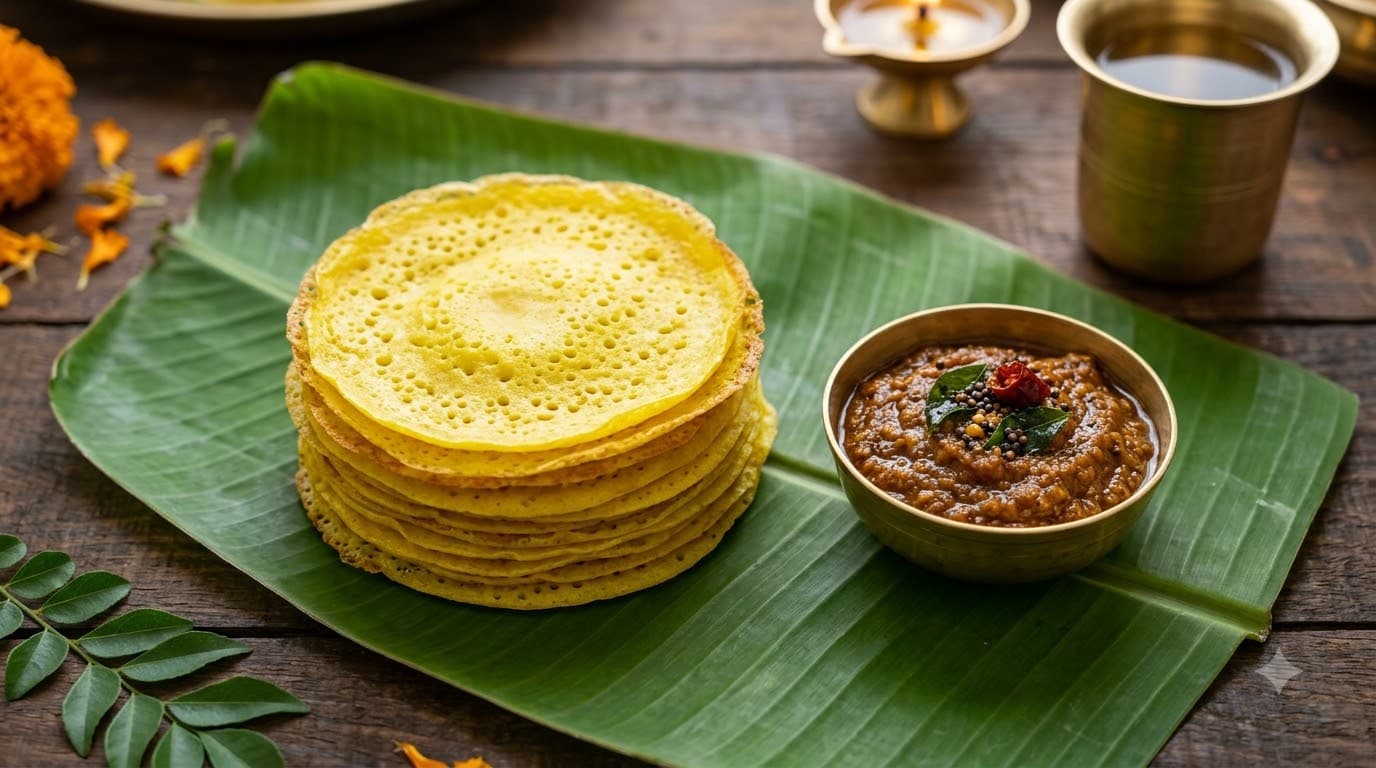
Varalakshmi Vratam is most powerful when performed during auspicious Lagna timings such as Simha, Vrishabha, Kumbha, or Vrishchika, with morning and evening Muhurats being most popular. The ritual begins with purification and preparation of a decorated Mandapam, where a Kalash filled with sacred items and topped with a coconut represents the Goddess. Devotees perform the Shodashopachara Puja, a 16-step worship that includes meditation, offerings, chanting, and special food preparation. A sacred nine-knotted thread (Toram) is worshipped and tied on the wrist, symbolizing devotion. The ritual concludes with sharing offerings with other married women, honoring the divine feminine.
Home Checklist & Regional Traditions
Varalakshmi Vratam preparation includes deep cleaning the home, arranging puja items like mango leaves, coconut, flowers, gold ornaments, sacred thread, and preparing traditional offerings. Families also invite married women for Thamboolam. Regional traditions vary—South India decorates the Kalash elaborately, Western India focuses on Mahalakshmi worship, North India observes Shravan Friday fasts, and Eastern India draws Lakshmi footprints—yet the shared aim is inviting prosperity and harmony.