Onam Festival 2026 Guide
By Divine center ·
Celebrate Onam, Kerala’s vibrant festival of unity and tradition. Discover its history, the story of Mahabali, cherished customs, festive foods, and the timeless spirit of togetherness that makes Onam special.
Onam Festival 2026
Onam is a feeling of homecoming that connects Malayalis around the world to their roots, families, and traditions. At Divine Center, we see it as more than a festival — it is a celebration of culture, togetherness, and values passed down through generations.
1. What Is Onam Festival?
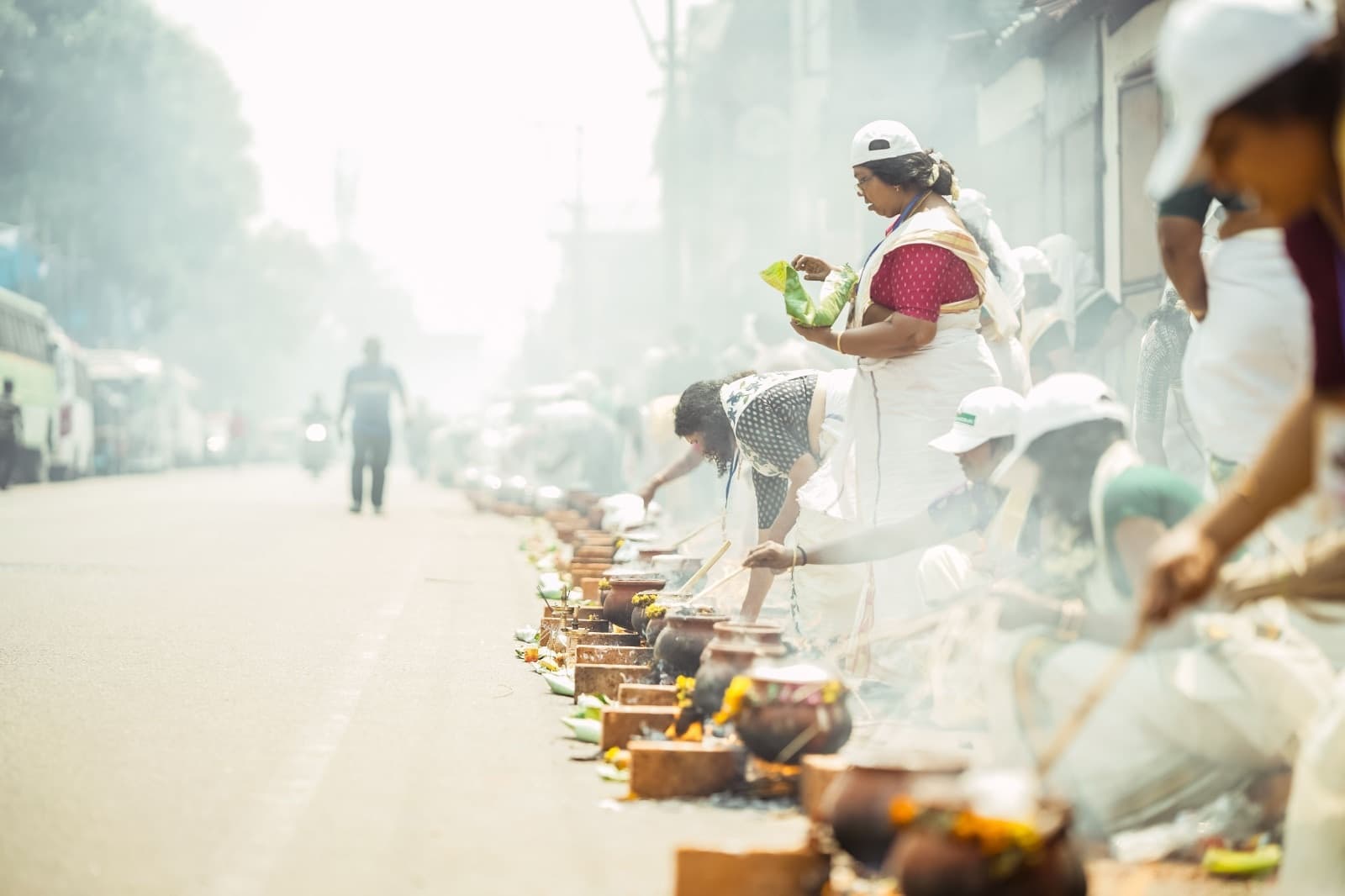
Onam is the most significant festival of Kerala — a ten-day harvest celebration that blends mythology, agriculture, and community life into one continuous festival. It falls during the Malayalam month of Chingam, which typically corresponds to August or September in the Gregorian calendar.
In 2026, Onam begins on August 17 (Atham) and the main day, Thiruvonam, falls on Wednesday, August 26, 2026.
At its heart, Onam commemorates the annual homecoming of King Mahabali, a ruler so beloved that his return, according to legend, is still celebrated by his people thousands of years later. The festival is as much about gratitude for a good harvest as it is about honoring a king remembered for justice and humility.
Did You Know?
Onam is one of the few Hindu festivals celebrated with equal enthusiasm by people of all faiths in Kerala — Christians, Muslims, and Hindus alike take part in Onam festivities, making it as much a cultural celebration as a religious one.
2. Why Is Onam Celebrated? The Legend of King Mahabali
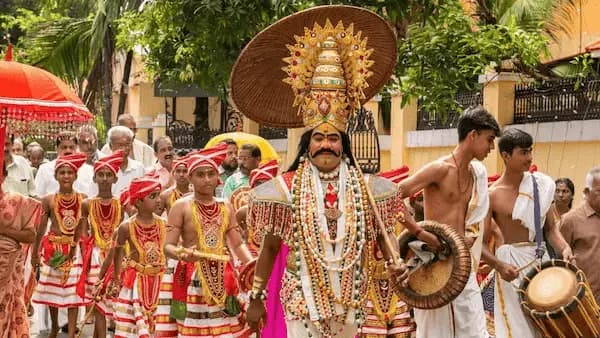
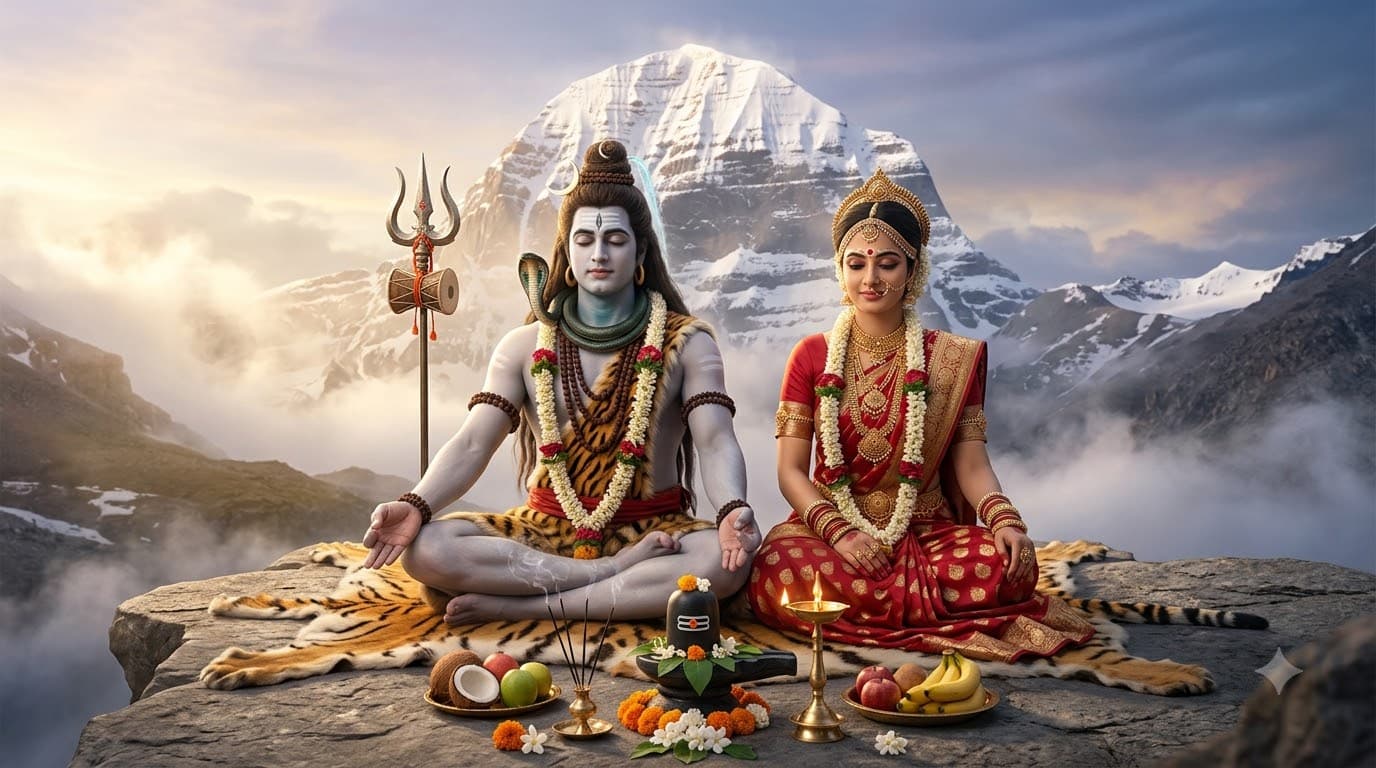
Mahabali was a generous and beloved Asura king whose kingdom was known for peace and prosperity. When his growing power concerned the devas, Vishnu appeared as Vamana and asked Mahabali for three steps of land.
Vamana then revealed his cosmic form, covering the earth and heavens in two steps. For the third, Mahabali offered his own head. Impressed by his humility and devotion, Vishnu granted him a wish to return to his kingdom once every year.
Onam celebrates Mahabali’s annual homecoming — a time when Kerala welcomes its beloved king with joy, feasts, flowers, and festivities.
Myth vs Fact
| Myth | Fact |
| Mahabali was a "demon" defeated by Vishnu | Mahabali was a virtuous, generous ruler; the story is about humility and dharma, not villainy |
| Onam is only a Hindu religious festival | Onam is celebrated across religions in Kerala as a cultural and harvest festival |
| Vamana's three steps were a trick | In most tellings, it is framed as a test of ego and generosity, not deception |
This story is traditionally referenced in the Bhagavata Purana and other Puranic texts, and it continues to be retold respectfully across generations as a lesson in humility, dharma, and selfless leadership.
3. History of Onam
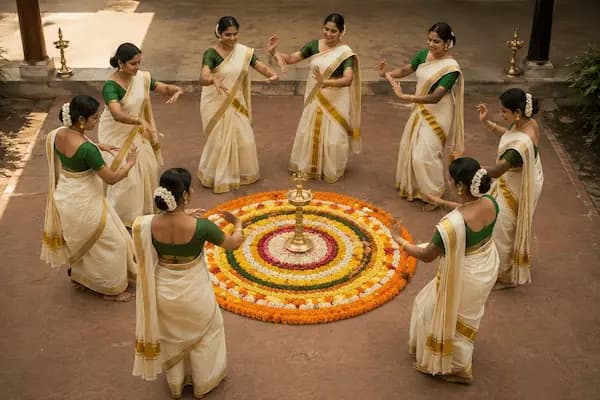
Onam's history is layered — part mythology, part agrarian tradition, part royal patronage.
- Ancient roots: References to Onam-like harvest celebrations appear in classical Tamil Sangam literature, suggesting the festival predates its current mythological framing by centuries.
- Agricultural festival: Before it became closely tied to the Mahabali legend, Onam was primarily a harvest festival — a thanksgiving to nature and the earth for a bountiful paddy season.
- Royal patronage: During the reign of the Kulasekhara dynasty and later under various Kerala kingdoms, Onam grew into a state festival, with royal households sponsoring boat races, temple festivities, and public feasts.
- Modern Onam: Today, Onam is Kerala's official state festival, marked by public holidays, cultural competitions, and government-organized events, alongside deeply personal family traditions.
Onam Festival Timeline 2026 (10 Days)
| Day | Name | 2026 Date | Significance |
| Day 1 | Atham | Mon, Aug 17 | Onam festivities begin; Pookalam-making starts |
| Days 2–8 | Chithira to Pooradam | Aug 18–24 | Pookalam grows larger daily; shopping, cleaning, preparation |
| Day 9 | Uthradam (First Onam) | Tue, Aug 25 | Final preparations; Onathappan idol placed |
| Day 10 | Thiruvonam (Main Onam) | Wed, Aug 26 | Mahabali is believed to visit; Onasadya is served |
4. Where Is Onam Celebrated?
Kerala is the heart of Onam — every district celebrates it with processions, boat races, temple rituals, and elaborate feasts. But Onam's reach extends far beyond the state.
Within India:
- Cities with large Malayali populations — Hyderabad, Bengaluru, Chennai, Mumbai, Delhi, and Pune — see vibrant community Onam celebrations, often organized by Kerala associations and cultural clubs.
- In Hyderabad specifically, Onam Sadya events, Pookalam competitions, and community gatherings are organized every year by Malayali associations, bringing the festival to families living far from Kerala.
Quick Tip: If you're away from Kerala, search for your city's "Kerala Association" or "Malayali Samajam" — most host community Onasadya and cultural events open to families.
5. Spiritual Significance of Onam
Beyond the festivities, Onam carries a deep spiritual message rooted in Hindu philosophy.
- Humility over ego: Mahabali's willingness to give up everything, even when he could have refused, reflects the value Hindu tradition places on humility and detachment from pride.
- Dharma and righteous rule: Mahabali is remembered not for his power but for his justice — a reminder that true authority is measured by how it serves others.
- Gratitude for abundance: As a harvest festival, Onam is fundamentally an act of thanksgiving — to the earth, to ancestors, and to divine grace for sustenance.
- Unity and equality: The Onam legend describes Mahabali's kingdom as a time when all people were considered equal — a value families consciously honor by inviting neighbors and even strangers to share the Onasadya feast.
Many families also use this period to visit temples, offer prayers of gratitude, and seek blessings for prosperity in the year ahead — a practice Divine Center supports through personalized Puja and temple ritual guidance for festival occasions.
6. How to Celebrate Onam at Home
You don't need to be in Kerala to observe Onam meaningfully. Here's a simple, practical approach:
- Clean and prepare your home — Traditionally, homes are cleaned thoroughly in the days leading up to Thiruvonam, symbolizing readiness to welcome Mahabali.
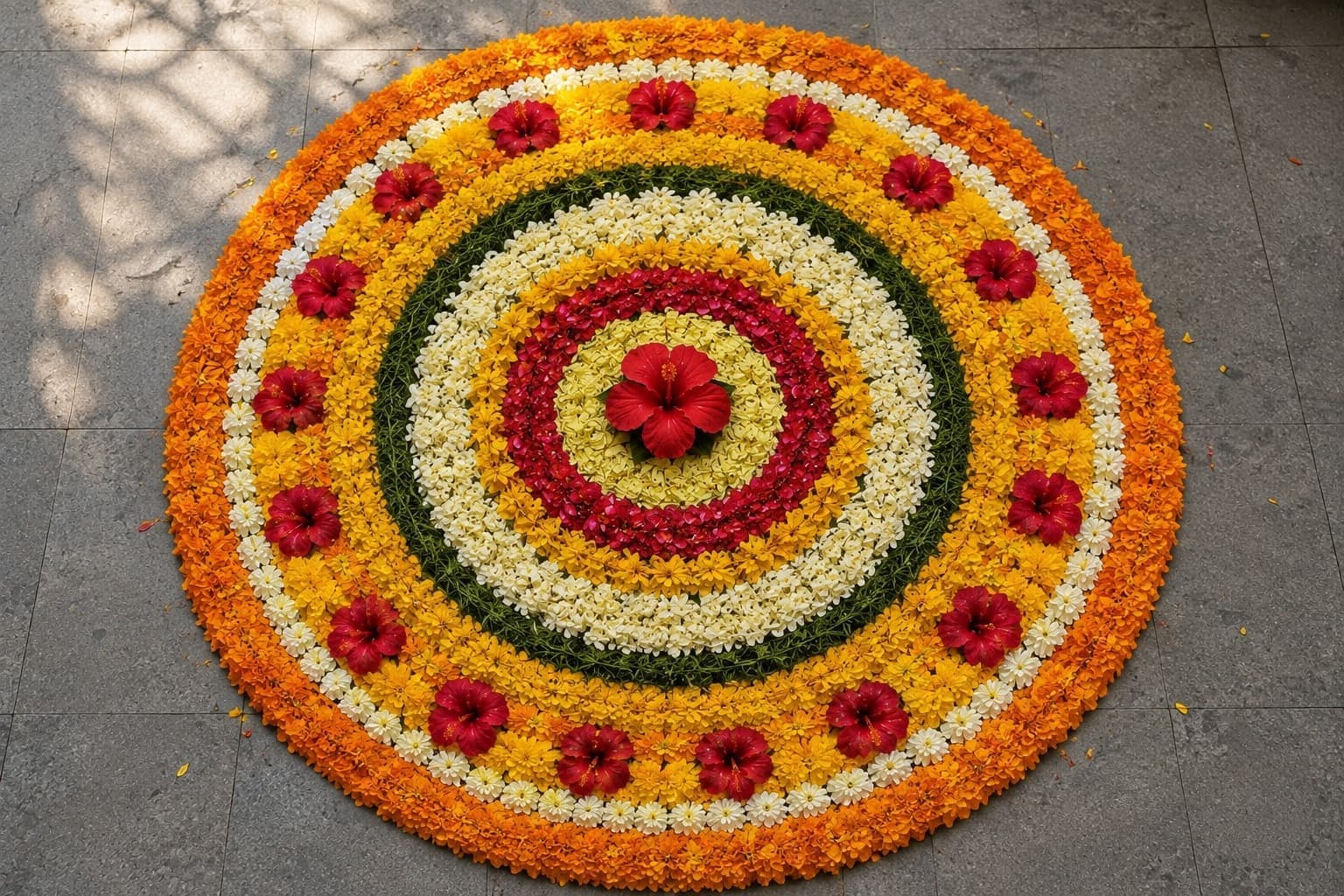
- Create a Pookalam — Even a small flower design at your entrance carries the spirit of the tradition.
- Wear traditional attire — Kasavu sarees and mundu (white with gold border) are customary on Thiruvonam.
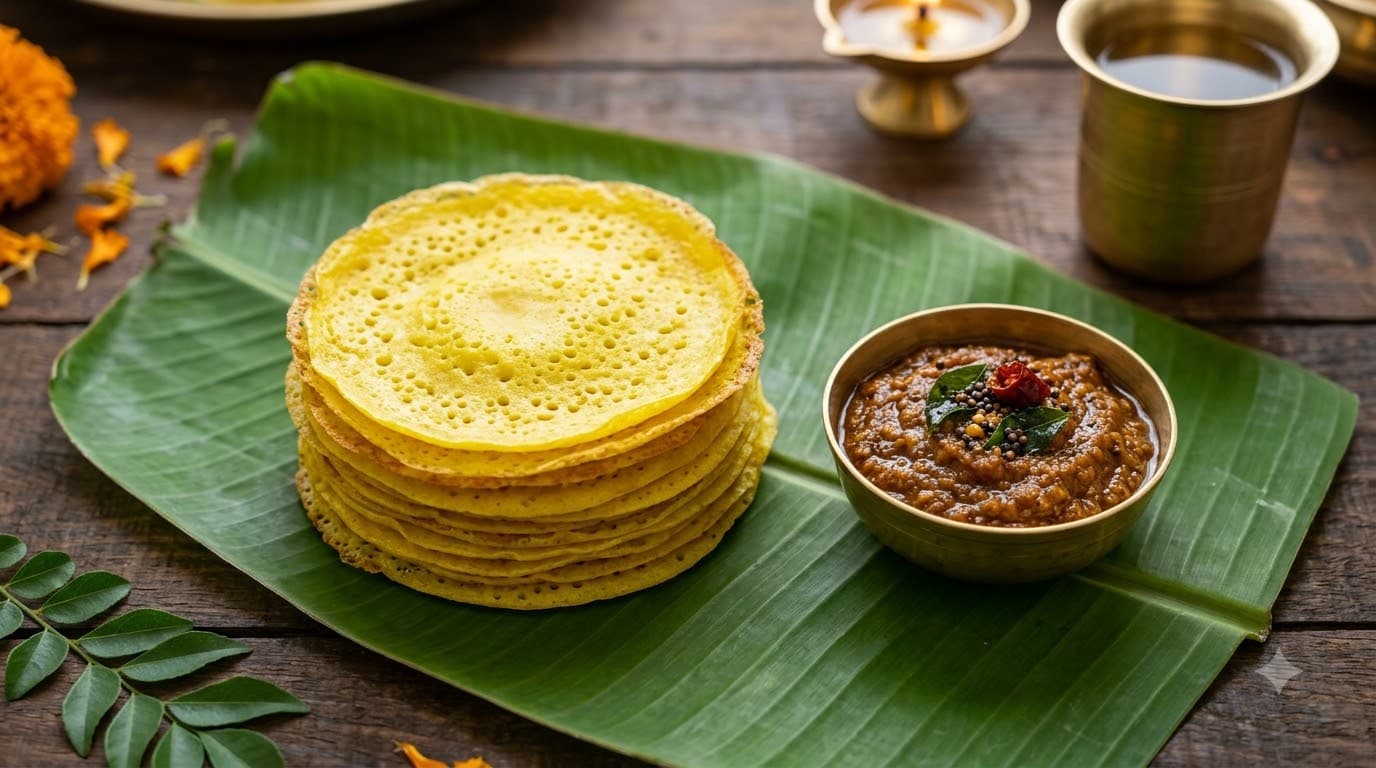
- Prepare or order an Onasadya — A vegetarian feast served on a banana leaf, ideally with as many of the traditional dishes as possible.
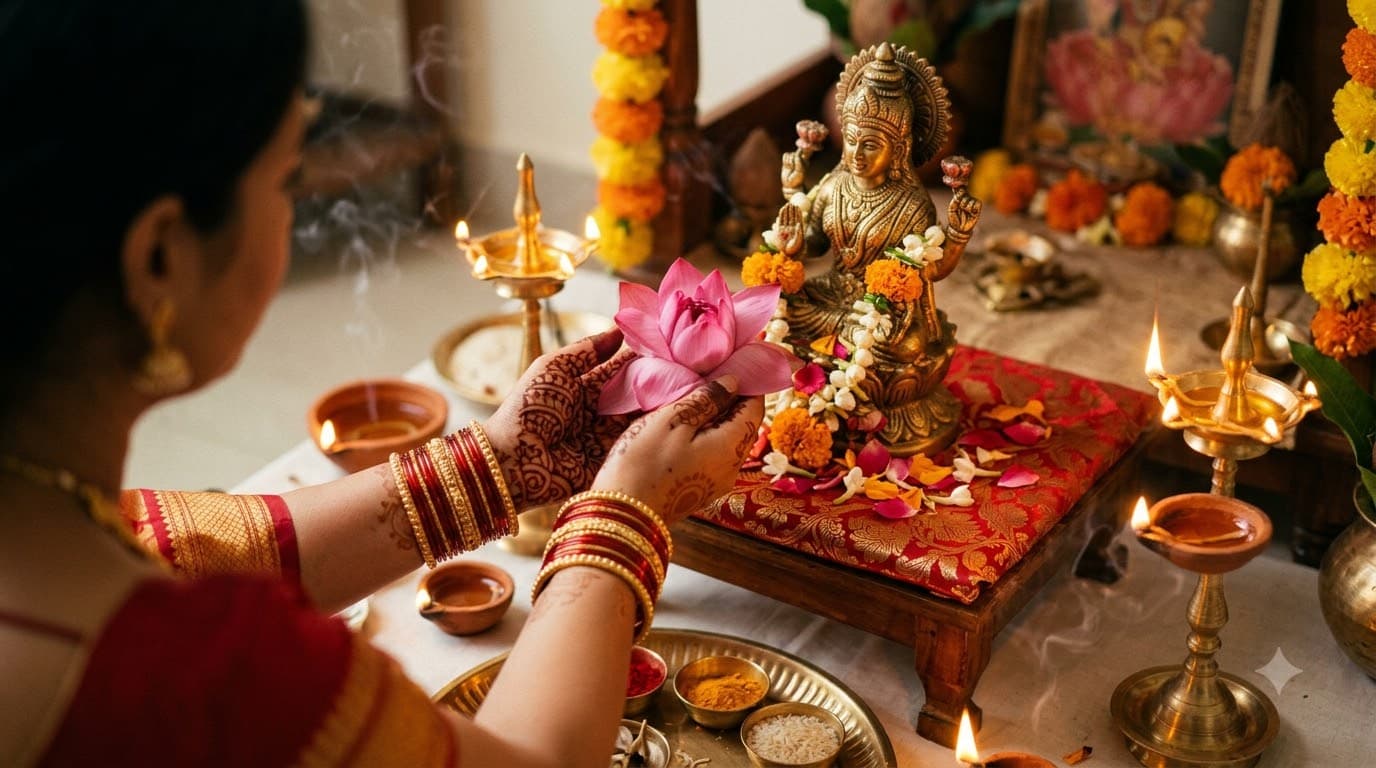
- Visit a temple or perform a simple puja — Offering prayers of gratitude is a meaningful way to mark the day spiritually.
- Gather with family — Onam is, above all, about togetherness. Even a video call with extended family keeps the spirit alive.
- Share the celebration — Invite neighbors or friends, echoing the legend's theme of equality and generosity.
Quick Tip: If you can't prepare a full 20-dish Sadya, focus on a few symbolic items — rice, sambar, avial, and payasam — rather than skipping the tradition altogether.
7. Major Onam Traditions
| Tradition | What It Is |
| Pookalam | Intricate flower carpets laid at entrances, growing larger each day of Onam |
| Onasadya | A grand vegetarian feast with up to 20+ dishes served on a banana leaf |
8. Onam Rituals
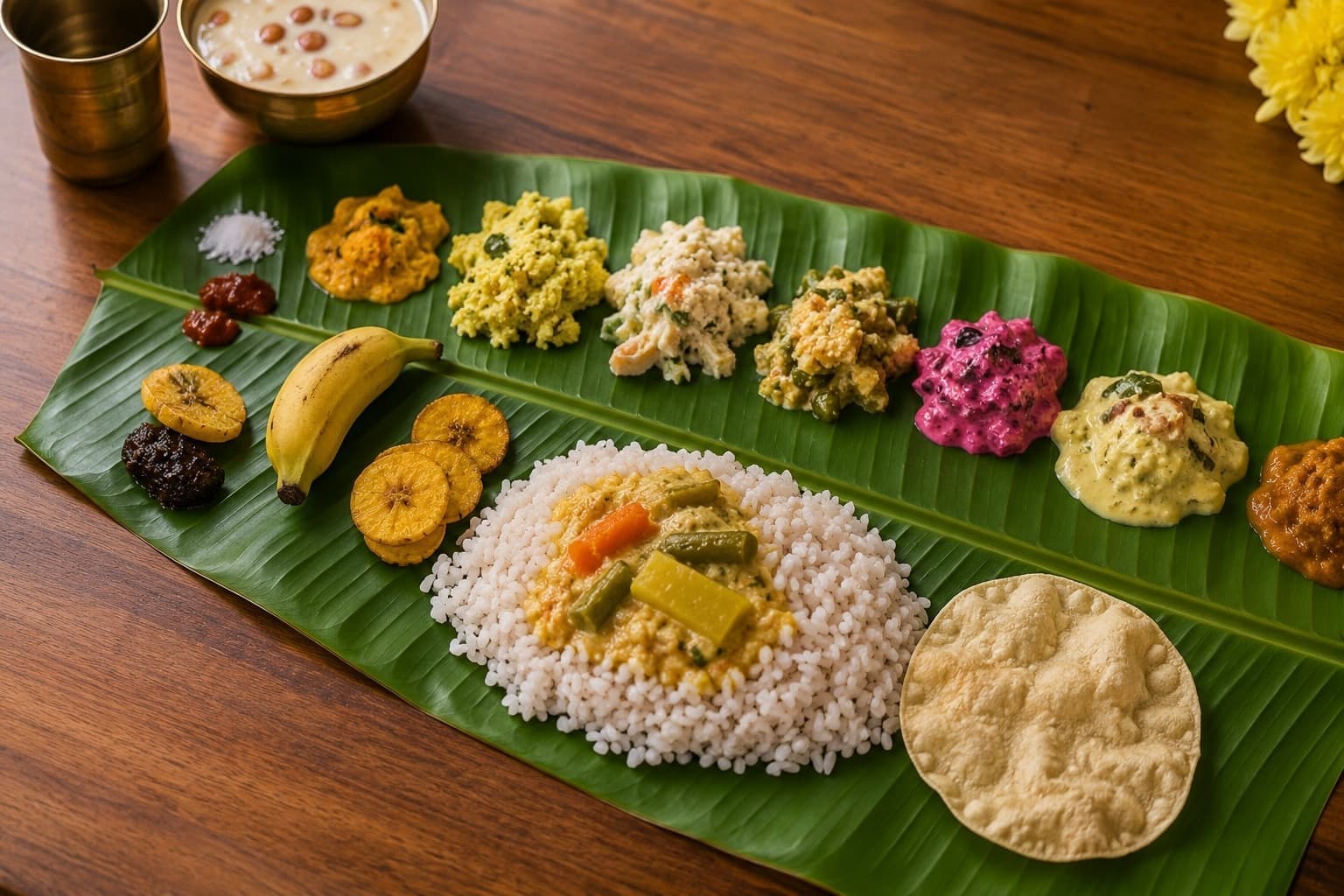
- Pookalam-making each morning, adding a new layer of flowers daily until Thiruvonam.
- Thrikkakara Appan idol placement — a small pyramid-shaped clay idol representing Vamana, placed at the center of the Pookalam on the final days.
- Onathappan puja — a simple prayer offered to the Thrikkakara Appan idol, symbolizing the welcoming of Mahabali/Vishnu.
- Sadya offering — before the family eats, a portion is often symbolically offered first, reflecting gratitude.
- Onavillu — traditional wooden bow-shaped toys, historically gifted to children during Onam.
9. Do's and Don'ts During Onam
Do's
- Do clean and decorate your home before Thiruvonam.
- Do include family and neighbors in celebrations.
- Do try to prepare or share a vegetarian Sadya.
- Do use fresh, natural flowers for Pookalam where possible.
Don'ts
- Don't treat Onam as only a "Kerala-only" event — it welcomes all communities.
- Don't rush the Pookalam — the daily building process is part of the tradition.
- Don't skip the spiritual gratitude aspect in favor of only the festive/social side.
- Don't discard leftover Sadya food carelessly — it's traditionally treated with respect.
10. Interesting Facts About Onam
- Onam is Kerala's official state festival, with public holidays typically spanning several days.
- The Onasadya can include 20 to 26 dishes, each with a specific place on the banana leaf.
- Vallam Kali boats, called snake boats (Chundan Vallam), can be over 100 feet long and carry more than 100 rowers.
- The Pookalam is traditionally built without using any artificial flowers, though modern practices vary.
- Onam is sometimes described as "Kerala's Thanksgiving" by those unfamiliar with its mythological roots.
6. CONCLUSION
Onam is more than a festival on a calendar — it is a story about humility outlasting power, and about a community's promise to remember its values year after year. Whether you're in Kerala, Hyderabad, or on the other side of the world, Onam offers a simple invitation: pause, give thanks, and welcome home what matters most.
At Divine Center, we help you carry these traditions forward with authenticity — through guided pujas, temple rituals, and spiritual consultations rooted in genuine Hindu practice.
7. CTA (CALL TO ACTION)
Ready to celebrate Onam with spiritual clarity and authenticity?Talk to Our Priest | Explore Festival Ritual Guidance | Contact Divine Center
Frequently Asked Questions
Q1. What is Onam and why is it celebrated?
Onam is Kerala's major harvest festival, celebrated to welcome King Mahabali, who Hindu tradition says visits his former kingdom once a year with Lord Vishnu's blessing
Q2. Who is King Mahabali in the Onam story?
Mahabali was a generous, just Asura king whose humility before Lord Vishnu's Vamana avatar earned him an annual homecoming to visit his people — the event Onam commemorates.
Q3. Where is Onam celebrated the most?
Onam is celebrated most prominently in Kerala, and also widely by Malayali communities across India (Hyderabad, Bengaluru, Chennai, Mumbai) and abroad (UAE, USA, UK, Singapore).
Q4. What are the main Onam traditions?
Key traditions include Pookalam (flower carpets), Onasadya (feast), Vallam Kali (boat races), Pulikali (tiger dance), temple visits, and family gatherings.
Q5. What is Onasadya?
Onasadya is the traditional Onam feast, typically vegetarian, served on a banana leaf with 20 or more dishes representing abundance and gratitude.
Q6. When is Onam celebrated in 2026?
Onam 2026 begins with Atham on Monday, August 17, 2026, and the main day, Thiruvonam, falls on Wednesday, August 26, 2026.
Q7. Can non-Hindus celebrate Onam?
Yes. Onam is widely celebrated in Kerala across religions as a cultural and harvest festival, not exclusively a religious observance.
Q8. How can I celebrate Onam if I don't live in Kerala?
You can create a small Pookalam, prepare a simplified Onasadya, wear traditional attire, visit a temple, and connect with local Malayali associations for community celebrations.